













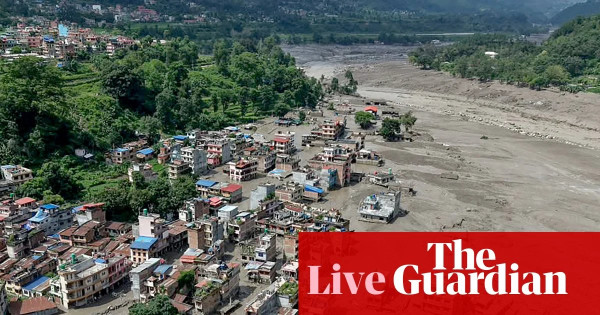
Dozens of Australians Believed to Be Missing in Nepal Floods
Powerful floods in the Himalayan border area have swept away houses, roads, and bridges, leading to a crisis for Australians in Nepal. Prime Minister Anthony Albanese announced that Department of Foreign Affairs and Trade (DFAT) officials are prepared to provide consular assistance. A local tourism official reported that 34 Australians are missing among hundreds of foreign nationals. While Australian officials have not confirmed the number, they are actively working to check on the welfare of those known to be in the affected region. Australians in the area are advised to follow local authorities' instructions.
Hundreds Missing in Nepal Floods, Including Australian Tourists
In the aftermath of devastating flash floods along the Nepal-Tibet border, dozens of Australian tourists are reported missing. The Australian government is urgently working to confirm the welfare of these individuals. The Nepal Tourist Board has indicated that at least 403 people are unaccounted for, including 341 foreign nationals. The situation remains critical as rescue efforts continue.
Death Toll Rises as Australians Among Those Affected by Nepal Floods
The death toll from the flash floods in Nepal has exceeded 150, with hundreds more reported missing, including approximately 34 Australian tourists. The floods have caused significant destruction, sweeping away infrastructure in the affected areas. In Tasmania, residents are expressing frustration over local planning decisions related to a new datacentre, while discussions continue about its potential environmental impact. The Australian government faces scrutiny over various issues, including health policy changes and the management of datacentres.
Policy Change on Private Health Rebate for Seniors Considered Beneficial
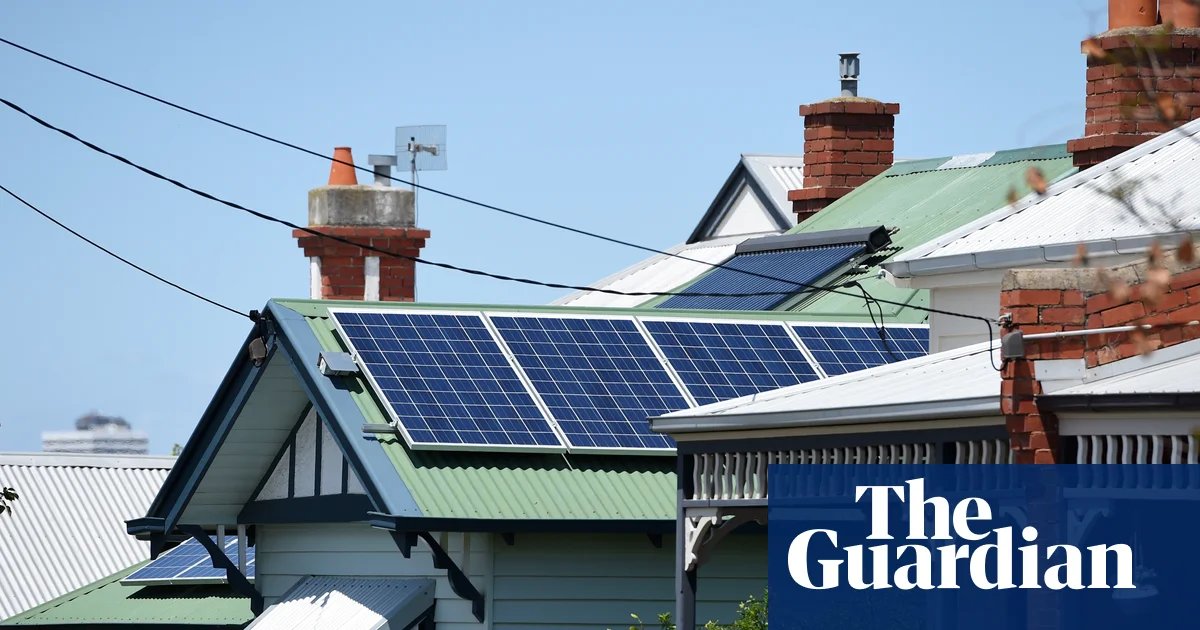
A recent study indicates that the proposed removal of the higher private health insurance rebate for Australians aged 65 and over is a positive policy change. The change, set to take effect in April 2027, will align the rebate system for seniors with that of individuals under 65, based solely on income. Health economists suggest that this adjustment is unlikely to increase pressure on public hospitals, estimating potential government savings of up to $940 million annually.
Photo provided by : The Guardian
@hoju-korean.com Editorial Team
























댓글목록0