











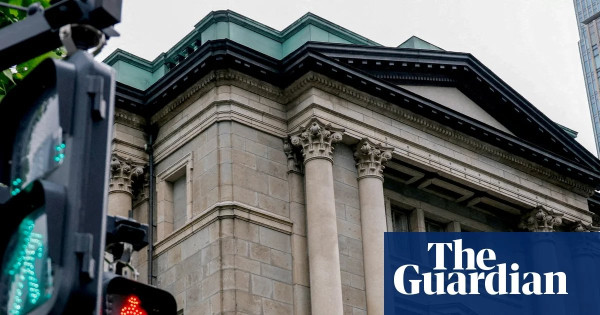
Japan raises interest rates to 31-year high to curb impact of rising prices
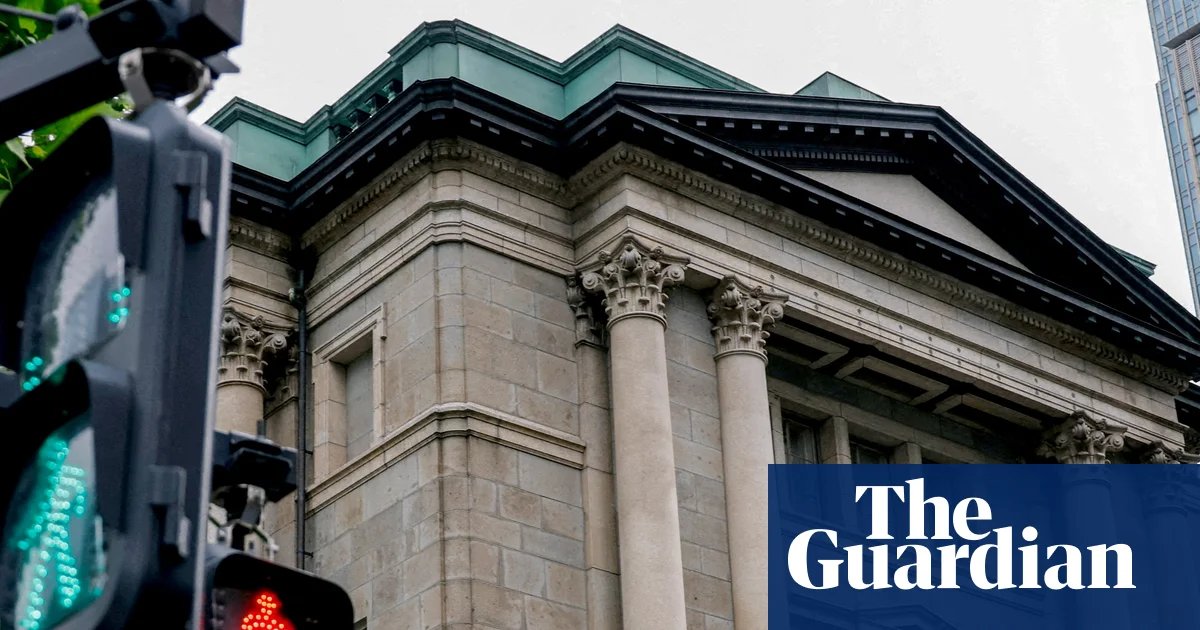
Japan's central bank has raised its target interest rate to 1.25%, the highest level since 1995, in an effort to combat rising global inflation linked to the ongoing conflict in Iran. The Bank of Japan's decision marks a significant tightening of monetary policy, aligning it with similar moves by the US Federal Reserve and the European Central Bank this month. The increase comes as the Bank of England decided to maintain its interest rates at 3.75%, signaling potential future hikes due to the economic fallout from the Iran war.
The Bank of Japan has been gradually increasing rates since 2024, when it lifted its base rate from negative territory. The yen has weakened significantly against the dollar this year, prompting intervention from policymakers to stabilize the currency. On Friday, the yen fell approximately 0.7% against the dollar, which has raised concerns among Japanese officials.
The decision to raise rates was not unanimous, with two members of the board dissenting. Fred Neumann, chief Asia economist at HSBC, noted that the dissent could indicate caution from the central bank regarding further tightening of monetary policy. He suggested that while consecutive rate hikes may be unlikely, investors will closely watch for indications of future increases, particularly in December.
In response to the yen's decline, the Nikkei stock market index rose nearly 2%. Meanwhile, Japanese two-year government bond yields, which are sensitive to monetary policy expectations, fell four basis points to 1.82%. Prashant Newnaha, a senior rates strategist at TD Securities, mentioned that the Bank of Japan has expressed concerns about underlying inflation potentially exceeding its 2% target but does not foresee immediate further hikes.
Amidst these developments, Brent crude futures dropped as much as 1.5% to $103.29 a barrel, despite ongoing concerns regarding strikes between Saudi Arabia and Yemen's Houthis. The global oil supply dynamics continue to shift as alternative routes are explored to mitigate the impact of the conflict on markets.
South Korea Will Not Deploy Military to Support US War in Iran
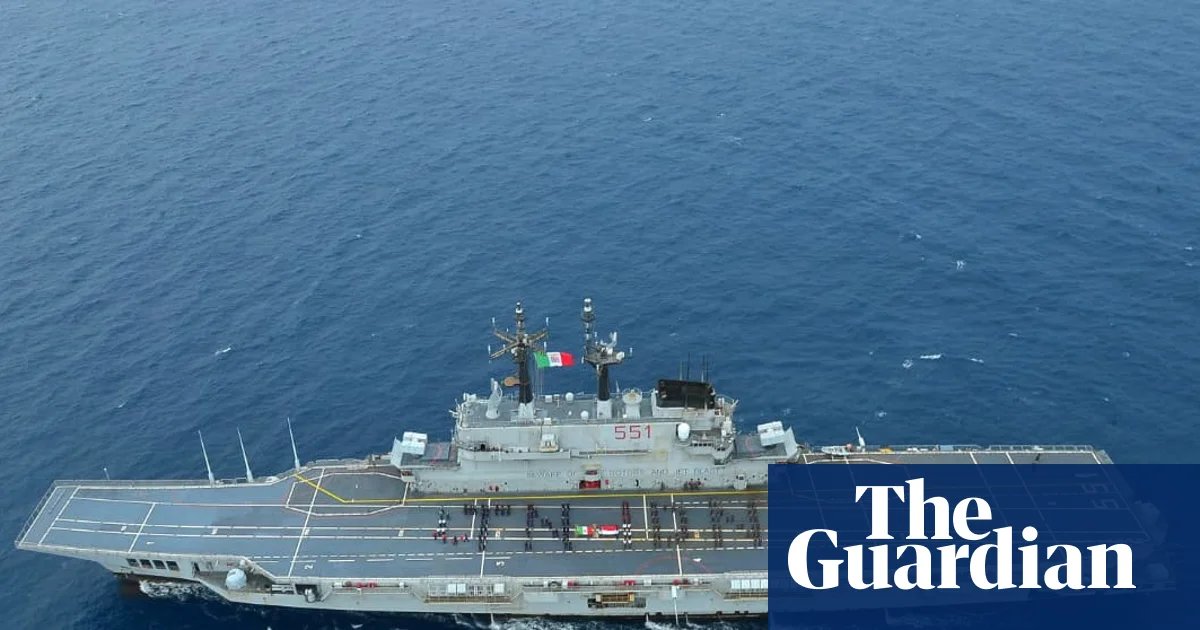
South Korea's President Lee Jae Myung has announced that the country will not deploy military forces to the Middle East, rejecting pressure from former President Donald Trump to support the war in Iran. During a news conference on Friday, Lee stated, "There won’t be deployment that would involve or enter war. I can tell you that very clearly." He emphasized that South Korea would not send military assets for this purpose.
Despite this, Lee mentioned that he is considering a more active role in ensuring the safety of navigation in the region. South Korea currently has a naval presence off the coast of Somalia as part of an anti-piracy mission. Lee indicated that the country must do its part to protect commercial shipping and crude shipments while ensuring the safety of its citizens.
Trump has criticized South Korea for what he perceives as insufficient support for the Iran war and has reduced joint military exercises between the two nations this summer, causing concern among South Korean officials. The South Korean government has been evaluating a possible military deployment to the Strait of Hormuz, although this idea has faced domestic opposition.
Regarding trade relations, Lee addressed the ongoing negotiations with the US concerning South Korea's investment commitments under their trade agreement. He acknowledged that the commercial viability of the investment package is a significant sticking point, but noted that the two sides are nearing an agreement.
Last year, South Korea committed to investing $350 billion in US manufacturing in exchange for a reduction in tariffs on Korean imports. A parliamentary briefing on these investment plans has been postponed and is expected to occur next week.
Lee also mentioned the possibility of a future meeting between Trump and North Korean leader Kim Jong-un, stating that both leaders desire dialogue. However, he acknowledged that several factors must align for such a meeting to take place. North Korean state media has not commented on Trump's calls for a meeting, although reports suggest Trump is eager to arrange discussions in the near future.
Labor's Immigration Policy Faces Criticism Over Visa Overstayer Detention
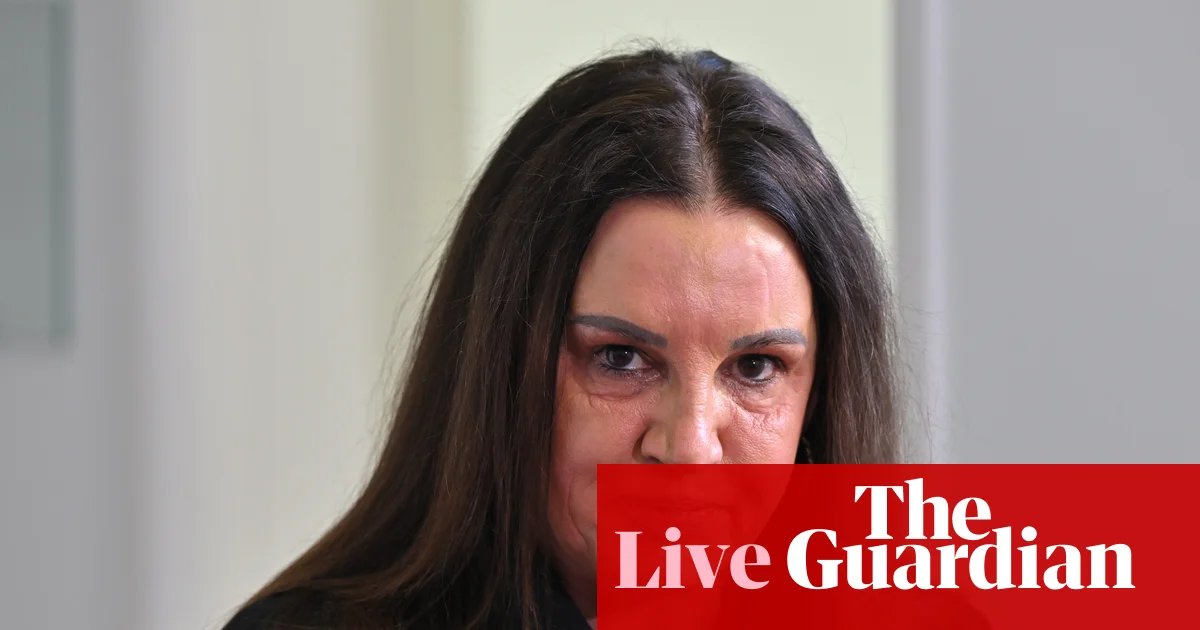
The Australian federal government's recent decision to reopen detention centers for visa overstayers has drawn criticism from the Greens and other advocates, who liken it to Donald Trump's immigration policies in the United States. Home Affairs Minister Tony Burke announced the immigration plan on Thursday, which aims to address the estimated 77,000 unlawful non-citizens in Australia.
Burke characterized the initiative as a return to a "routine process" that existed before 2015, stating that overstayers would be detained until they secured flights home. He emphasized that this is not comparable to the aggressive immigration tactics seen in other countries.
To support the plan, the government will hire 100 new compliance officers to locate overstayers and will create an additional 250 detention beds. Burke also mentioned the potential repurposing of a 100-bed quarantine facility in Victoria. He assured that most individuals would only be held in detention for a few weeks and would be encouraged to depart voluntarily.
Greens immigration spokesperson David Shoebridge criticized the government's approach, arguing that it focuses on detention rather than expediting visa processes and appeals. He stated, "This is where Labor has sunk to, reheating Tony Abbott's immigration attacks, with a 2026 Donald Trump twist."
The Labor government plans to utilize the Management and Training Corporation, a US private prison company with a controversial track record, to manage the detention facilities. Critics have raised concerns about the treatment of individuals in immigration detention under such arrangements.
Burke dismissed Shoebridge's comparisons to the Trump administration, asserting that the policies are simply a return to previous practices. He highlighted that the shift towards mandatory visa cancellations began under former immigration minister Peter Dutton in 2014, which led to overcrowded detention centers.
The Labor government's initiative aims to reduce net overseas migration from 292,100 to 245,000 by 2026/27 and maintain a target of 225,000 annually thereafter. This policy shift has reignited debates over Australia's immigration practices and human rights implications.
Man Dies After Shark Attack at Sorrento Beach in Perth
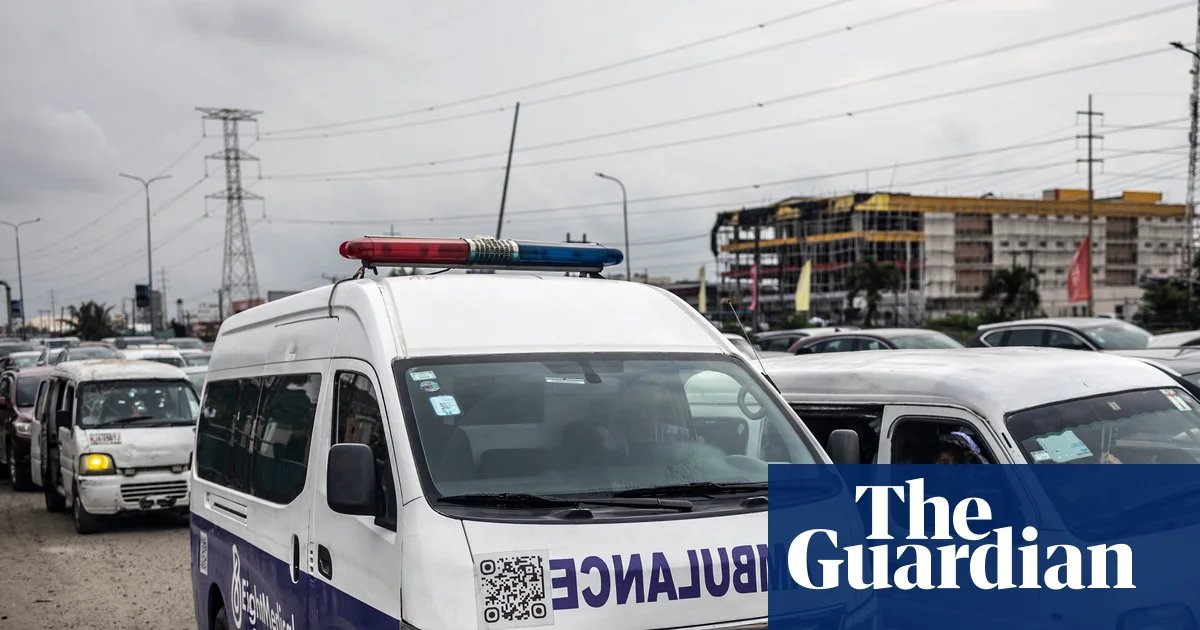
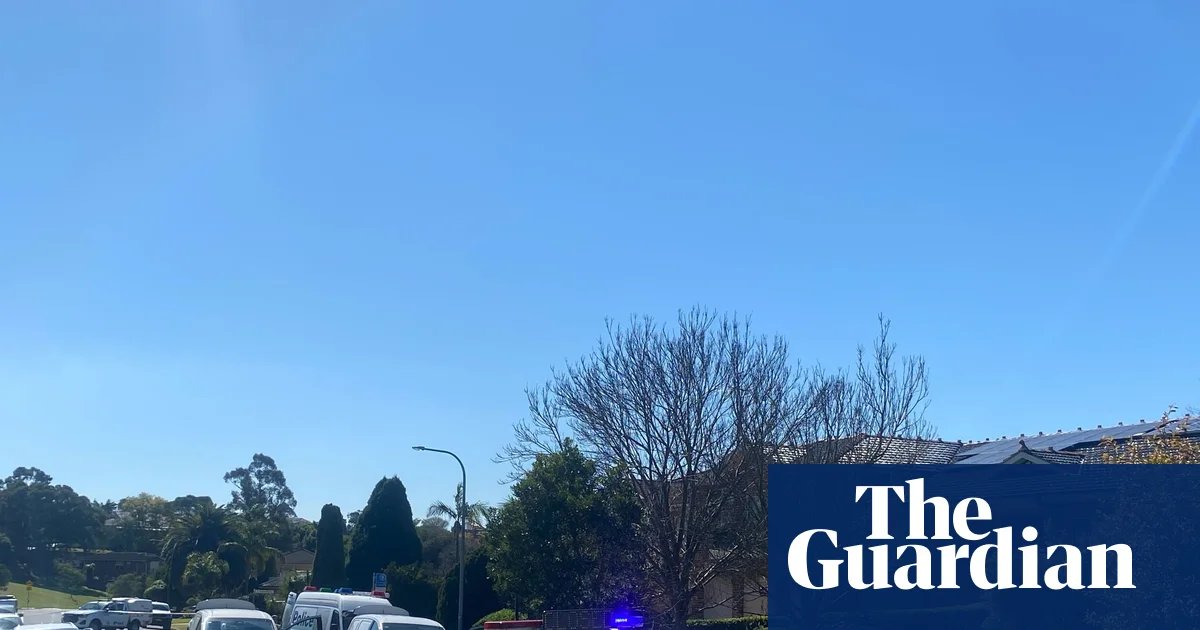
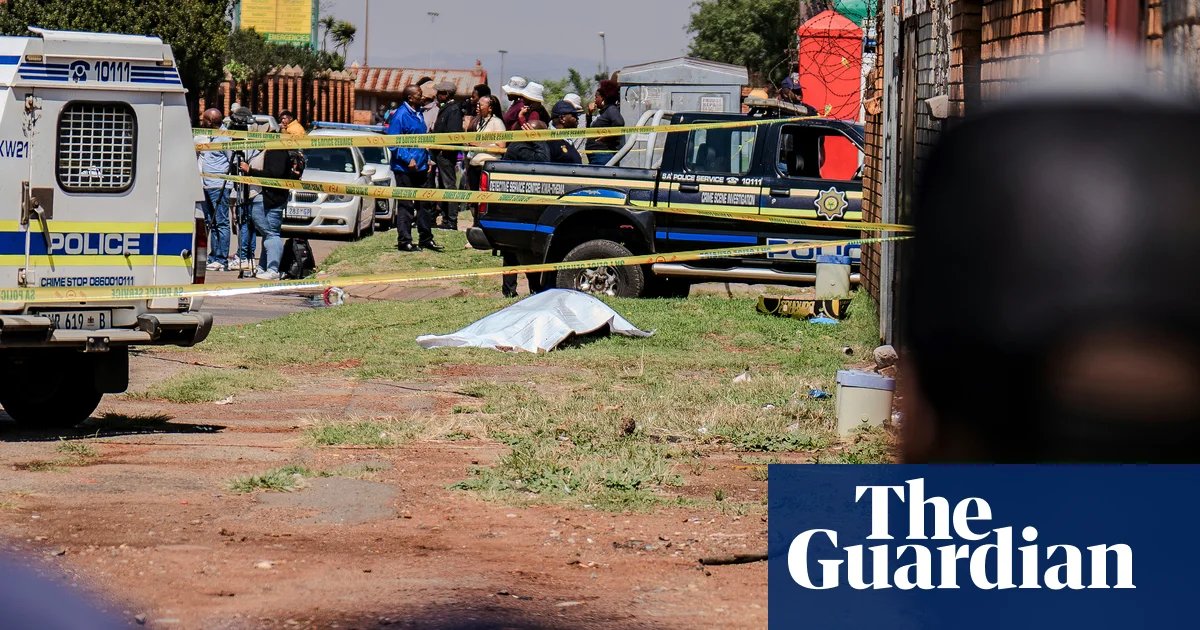
A man has died following a shark attack at Sorrento Beach, located in Perth's northern suburbs. The incident occurred on Friday morning when the Department of Primary Industries and Regional Development received reports of a possible shark-related incident at approximately 10:15 AM. Emergency services, including Water Police and ambulances, were dispatched to the scene.
Witnesses reported a chaotic scene as emergency responders arrived, and the beach was subsequently closed to the public. Authorities are conducting an investigation into the circumstances surrounding the attack. The victim's identity has not been released pending notification of next of kin.
This tragic event has raised concerns about shark safety in the area, prompting discussions among local officials and beachgoers regarding measures to prevent future attacks. Sorrento Beach is a popular destination for swimming and water sports, and the attack has shocked the local community.
In light of this incident, officials are expected to review current safety protocols and consider implementing additional measures to enhance swimmer safety. The community is mourning the loss of the victim, and further updates regarding the investigation and safety recommendations are anticipated.
The beach remains closed as authorities continue to assess the situation and ensure the safety of the public. This incident marks a rare but tragic occurrence in the region, highlighting the need for ongoing vigilance and safety measures in coastal areas.
Photo provided by : The Guardian
@hoju-korean.com Newsroom





![[Summary News] Louisiana Firefighters Rescue African Serval …](https://hoju-korean.com/data/world_news/20260918_210155_9b862bd5.jpg)
![[Summary News] Canada and EU Strengthen Ties Amid US Threats…](https://hoju-korean.com/data/world_news/20260917_210129_3ec71c04.jpg)


![[Summary News] Michelin-Starred Restaurant Fined for Serving…](https://hoju-korean.com/data/world_news/20260916_210156_f2b5cddd.jpg)




댓글목록1
콩닥콩닥님의 댓글