













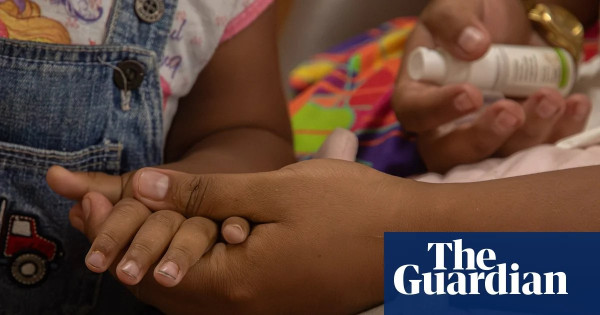
Fiji declares national HIV emergency as Pacific nation grapples with surge in cases
Fiji has officially declared a national HIV emergency in response to a significant rise in infections, coinciding with an increase in methamphetamine use. Dr. Ratu Atonio Lalabalavu, the country's health and medical services minister, announced this decision through social media, emphasizing that an outbreak-level response is no longer adequate to tackle what he termed an "epidemic." He stated, "Today I am formally declaring a national health emergency in Fiji," acknowledging the seriousness of the situation and the necessity for an urgent and coordinated response.
The health minister revealed that current estimates indicate one in every 60 adults in Fiji is living with HIV, a stark increase from one in 167 five years ago. In 2025, there were 2,060 new HIV diagnoses reported, with one in 50 pregnant women also affected by the virus. This emergency declaration follows a cabinet decision made on September 9 and aims to mobilize a comprehensive response to the health crisis.
Fiji, with a population of less than one million, is experiencing one of the fastest increases in new HIV infections globally, as reported by UNAIDS. The agency noted that new infections surged twelve-fold between 2010 and 2025. The nation’s strategic location as a drug trafficking hub, combined with rising local methamphetamine use, has accelerated the spread of HIV. Factors such as unsafe injecting practices, limited access to clean needles, low health awareness, cultural stigma, and inadequate testing and treatment have further complicated the situation.
Among the known HIV cases in Fiji, over half are linked to sexual transmission, while more than 42% are associated with injecting drug use, according to UNAIDS data. Of the estimated 9,100 individuals living with HIV in Fiji as of 2025, only 39% are aware of their HIV status, and just 22% are receiving antiretroviral treatment, as reported by the United Nations.
In reaction to the emergency declaration, Winnie Byanyima, the executive director of UNAIDS, stated that the situation serves as a "stark reminder to the world that AIDS is not over." She highlighted the need for countries to maintain health and community systems capable of responding quickly to changing HIV epidemics. Byanyima commended Fiji for recognizing the urgency of the moment and taking steps to enhance its response.
UNAIDS also expressed support for Fiji's plans to introduce a needle and syringe program, which will require legislative amendments expected to be presented to parliament. The agency welcomed initiatives aimed at expanding prevention efforts, improving testing, and increasing access to treatment for those affected by HIV.
Photo provided by : The Guardian
@hoju-korean.com Newsroom








![[Summary News] Michelin-Starred Restaurant Fined for Serving…](https://hoju-korean.com/data/world_news/20260916_210156_f2b5cddd.jpg)



![[Summary News] Lithuania and Denmark Face Increased Tensions…](https://hoju-korean.com/data/world_news/20260915_210120_b0971ee5.jpg)





![[Summary News] Swedish Elections Show Narrow Lead for Centre…](https://hoju-korean.com/data/world_news/20260914_210120_bdd5c6d8.jpg)






댓글목록0