












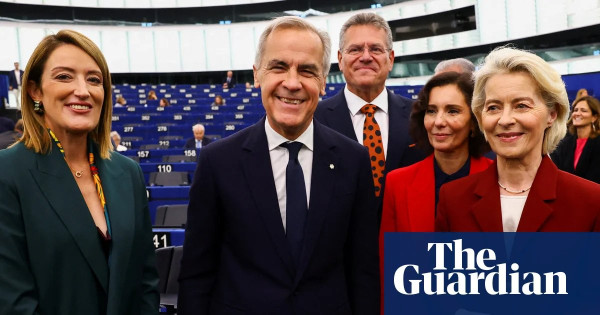
Canada Receives Warm Welcome in EU Parliament Amid Membership Uncertainty
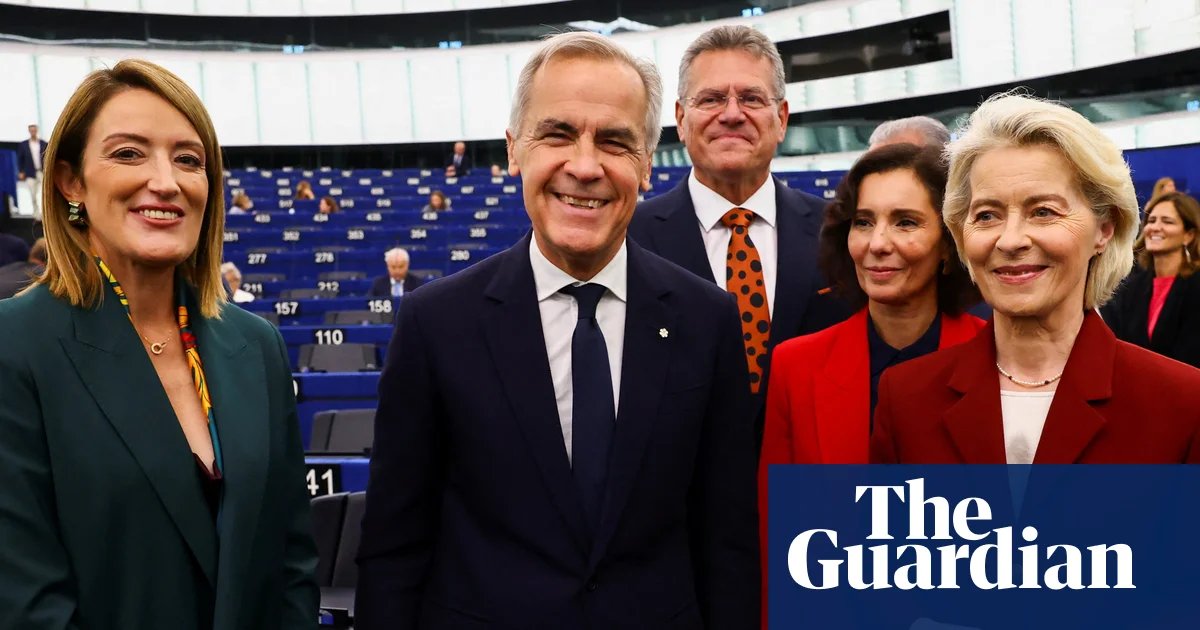
Mark Carney received a warm reception in the European Parliament on Thursday as he welcomed a proposal for Canada to become the EU's first associate member. Politicians lined up to shake his hand and take selfies after his speech, which was hailed as a historic moment by attendees. German Green MEP Terry Reintke remarked, “Europe has extended a hand, and Canada has taken it,” even donning a Canadian ice hockey shirt for the occasion.
The proposal was introduced a day earlier by European Commission President Ursula von der Leyen, who issued an unprecedented invitation to Canada. However, the idea faced immediate criticism from former U.S. President Donald Trump, who threatened heavy tariffs on Europe should the proposal materialize. Despite the enthusiasm, the concept of associate membership remains vague, with no legal definition currently established.
A senior politician expressed confusion over von der Leyen's terminology, stating that it has raised numerous questions regarding what associate membership entails. The spokesperson for German Chancellor Friedrich Merz welcomed the initiative but called for a reconsideration of the associate membership label. Merz previously suggested a similar concept for Ukraine, which was dismissed by other EU member states.
Diplomatic reactions suggested that von der Leyen may have overstepped by proposing this idea without clear support. One EU diplomat described the term as “an empty phrase,” emphasizing that it would be up to member states to define its substance. Any new trade and cooperation agreements with Canada would require approval from the EU's 27 member states.
Both Canada and the EU share common interests in areas such as artificial intelligence, energy security, and Arctic cooperation. Carney highlighted Canada’s Arctic border with Denmark, referencing its maritime boundary with Greenland. However, challenges remain unaddressed, including the fact that ten EU member states have yet to ratify the 2016 EU-Canada comprehensive economic and trade agreement.
Countries like France, Italy, and Poland, which are entering election years, may further delay ratification. While both Canada and the EU advocate for enhanced trade relations, they are also pursuing policies that could contradict this goal. Canada’s recent introduction of a buy Canadian policy prioritizes local suppliers for public contracts, while the EU is debating its own buy European law, known as the Industrial Accelerator Act.
Tony Burke Defends Immigration Reforms Amid Farmers' Concerns
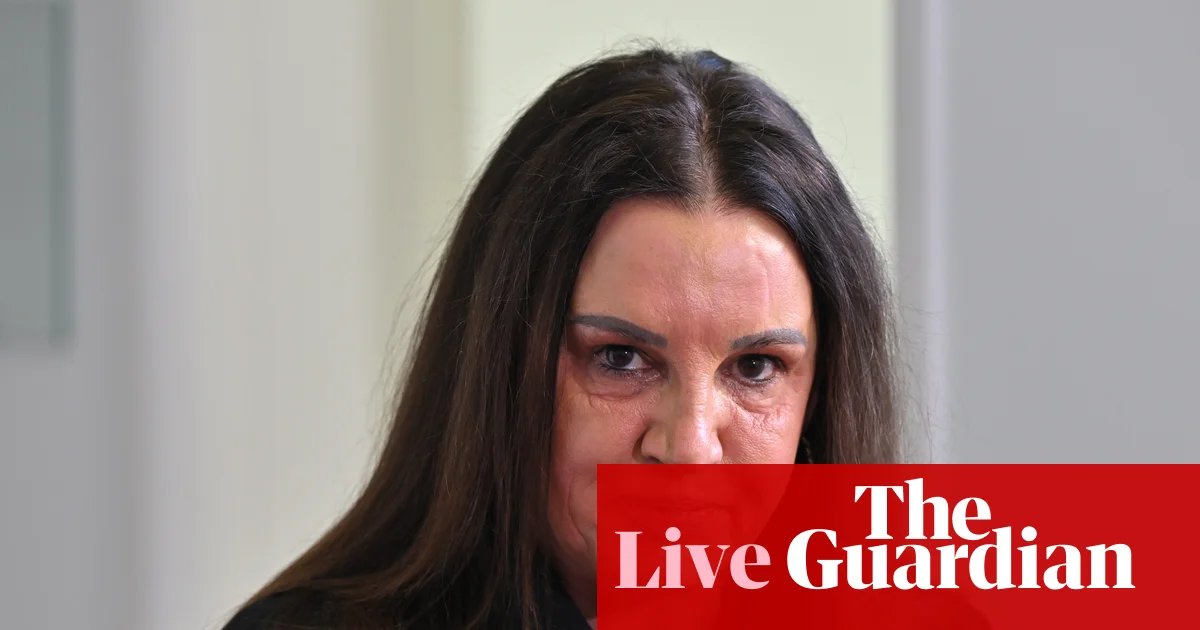
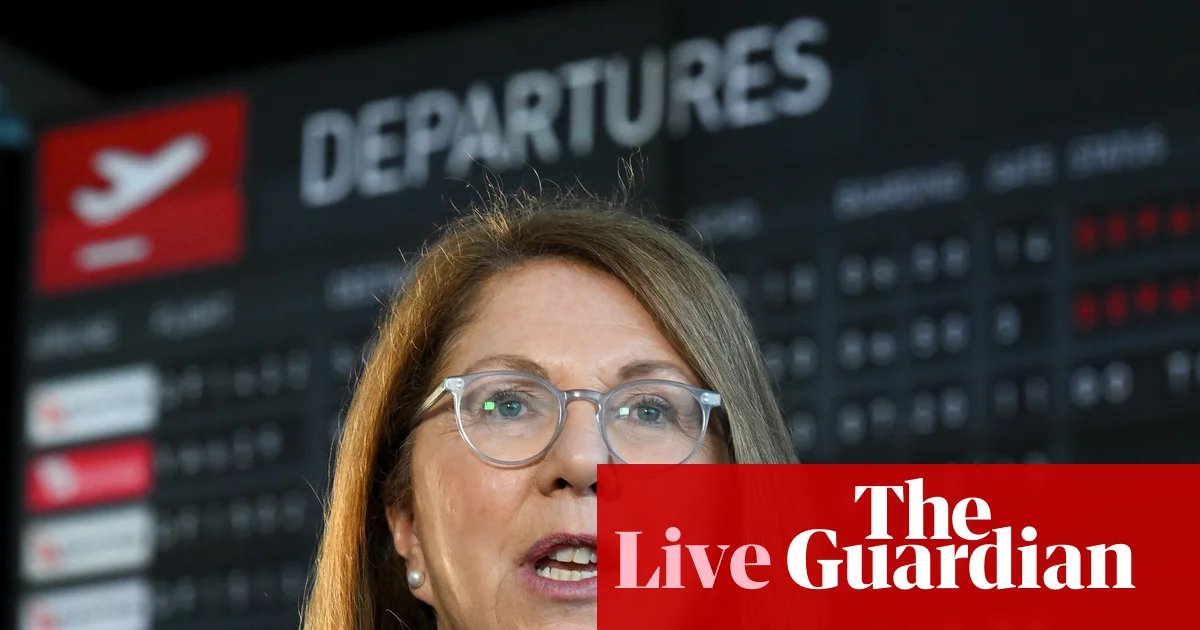
Tony Burke has dismissed claims from the farming lobby that changes to immigration rules will lead to increased food prices for households. During a press conference at the National Press Club on Thursday, Burke described the government's initiative to expedite backpacker visa processing as a positive development for the agriculture sector. He acknowledged that the reforms are more limited than desired due to a lack of support from the Coalition for broader legislation.
Responses to the announcement have been mixed, with business groups and the Coalition arguing that the reforms do not sufficiently reduce net overseas migration levels. Conversely, refugee advocates criticized the measures, stating that migrants continue to be used as “political punching bags.” National Farmers Federation chief executive Mike Guerin warned that farmers would experience immediate economic consequences from restrictions on working holidaymakers and other temporary migrants, particularly as they struggle to find workers for the upcoming harvesting season.
Under the new rules, backpackers wishing to stay in Australia for more than a year will face a ballot system with severely limited places for the second and third years. Guerin stated, “We will see a lift in the price of food,” and expressed concerns about empty supermarket shelves as farmers may not be able to complete the harvest before Christmas.
In contrast, Burke emphasized that the plan was carefully designed to reduce demand-driven settings while allowing the government greater control without harming the economy. He pointed out that sectors such as healthcare, construction, and aged care depend on overseas workers, and cuts to these groups would adversely affect essential services.
Burke highlighted that the recent announcement aims to streamline the processing of backpacker visas, which require work in regional areas for extended stays. He also mentioned the potential for the agriculture sector to utilize workers from the Pacific Australia Labour Mobility Scheme, emphasizing the legal responsibilities of producers to pay staff fairly.
Burke clarified that the government’s changes would include new compliance measures to address visa overstays, but he assured that enforcement would be reasonable. Approximately 100 additional compliance officers will be hired, along with 250 new beds in immigration detention. He noted that the approach would not resemble the hardline immigration enforcement seen in other countries, such as the policies of Donald Trump's administration.
However, the Asylum Seeker Resource Centre criticized the planned increase in enforcement, warning that it would make Australia “smaller, meaner, and more divided.”
Photo provided by : The Guardian
@hoju-korean.com Newsroom






![[Summary News] Canada and EU Strengthen Ties Amid US Threats…](https://hoju-korean.com/data/world_news/20260917_210129_3ec71c04.jpg)





![[Summary News] Michelin-Starred Restaurant Fined for Serving…](https://hoju-korean.com/data/world_news/20260916_210156_f2b5cddd.jpg)

![[Summary News] Lithuania and Denmark Face Increased Tensions…](https://hoju-korean.com/data/world_news/20260915_210120_b0971ee5.jpg)





댓글목록0