













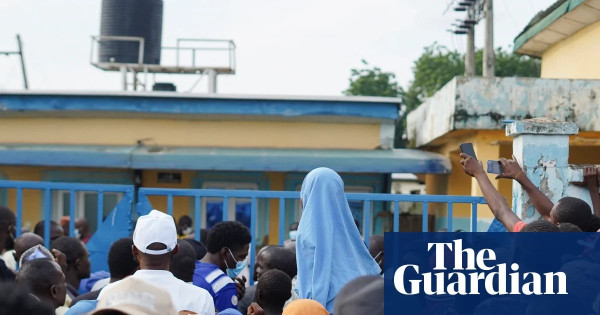
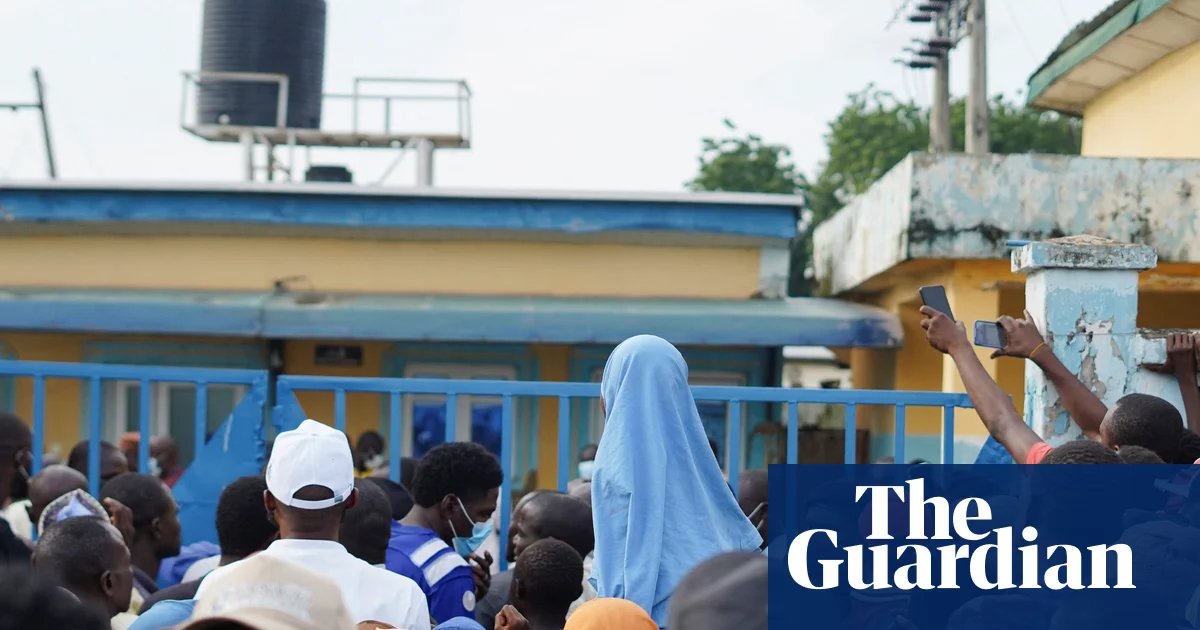
Survivors recount panic and struggle to breathe in Nigerian prison cell where 37 died
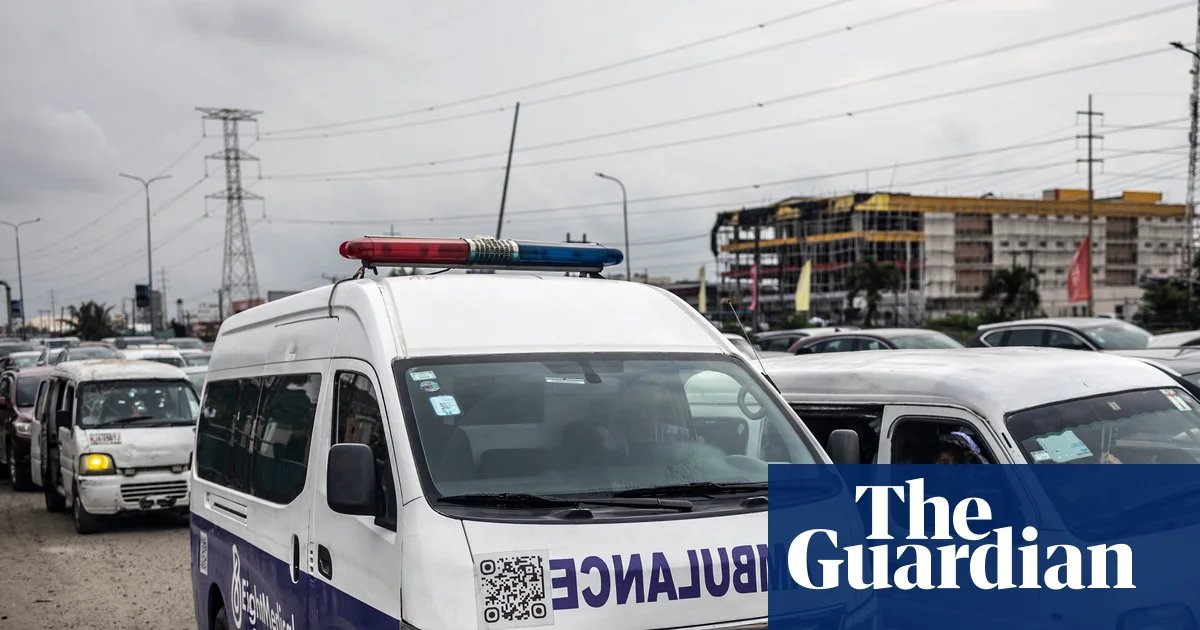
Survivors from a Nigerian prison cell where 37 suspected illegal gold miners died have described their panic and struggle for breath. The incident occurred while the miners were in the custody of the Nigeria Security and Civil Defence Corps (NSCDC) this week. Police fired teargas at protesters in Minna on Friday, who were demonstrating against the deaths and imposed an overnight curfew in the city.
The victims, many of whom were children aged 14 to 18, were found dead in NSCDC cells on Thursday. The paramilitary group had raided suspected illegal gold mines and detained dozens of miners in Niger state, known for its mineral wealth. Initially, NSCDC attributed the deaths to a disease outbreak. However, an intelligence report indicated that overcrowding and poor ventilation were likely causes.
Governor Umar Bago confirmed that many of the deceased were minors working in the mines instead of attending school. Survivor Dauda Shehu recounted the conditions in the cell, stating they were crammed with no ventilation. He explained that they realized they could not breathe and desperately sought fresh air, banging on the cell door for help, but received no response.
A video circulating online depicted the bodies of young men, mostly teenagers, lying on the ground. Volunteers in gloves were seen attending to the deceased, while family members attempted to identify their relatives. Another survivor, who wished to remain anonymous, noted that he survived because he was closer to the entrance of the cell, where the air was better. He described the chaos, with detainees screaming for help and telling guards that people were dying.
President Bola Ahmed Tinubu ordered an investigation into the incident and suspended several senior officials. Protests erupted in Minna on Thursday evening, leading to gatherings of miners and their relatives near the NSCDC office. Police attempted to disperse the crowd using teargas, while some protesters were armed with sticks and traditional weapons, demanding justice.
A witness reported that security forces fired live rounds as tensions escalated. Some protesters attempted to set fire to government buildings, expressing frustration over their situation. Miner Yusuf Auwal stated, “We are not thieves – we are simply seeking a way to make a living by mining.” The unrest highlights the ongoing issues surrounding illegal mining and the treatment of miners in Nigeria.
Brazil’s Lula announces higher welfare payments and free weight-loss jabs ahead of election
Brazilian President Luiz Inácio Lula da Silva has announced a 15% increase in the country's main cash-transfer program for impoverished families. This announcement comes just two weeks before the presidential election, prompting criticism from opponents who label the timing as politically motivated. Lula is set to face far-right senator Flávio Bolsonaro on October 4.
The increase will raise the monthly payment from approximately £98 to £113, effective October 19, shortly before the potential runoff vote on October 25. This adjustment is expected to benefit 15% to 20% of voters in what is anticipated to be one of the closest presidential races in Brazil’s history.
Lula characterized the increase as necessary to adjust for inflation and protect the purchasing power of vulnerable families. However, critics argue that the timing of the announcement is suspect, suggesting it is an attempt to sway voters before the election. Flávio Bolsonaro described the move as an "act of desperation" amid polls indicating he has gained ground.
The cash-transfer program, known as Bolsa Família, was established during Lula's first presidency in 2003 and has been credited with lifting millions out of poverty. Currently, families with an income of up to £32 per person qualify for the program, which serves about 50 million people, including 27 million eligible voters.
Right-wing politicians, including Jair Bolsonaro, have long criticized the program. In the lead-up to the 2022 election, Bolsonaro announced a 50% increase in the monthly payments, which led to accusations of electoral manipulation. Lula's recent increase has sparked debate over its similarities to Bolsonaro's actions, with some arguing that both presidents are engaging in electoral strategies.
Journalist Miriam Leitão noted that while both politicians adjusted payments for electoral reasons, Lula's increase is intended to be permanent, unlike Bolsonaro's temporary boost that expired after the election. Victor Escobar, a researcher, echoed this sentiment, acknowledging the criticisms directed at Lula for unveiling benefits shortly before the election, including a promise to provide free weight-loss jabs through the public health system.
Photo provided by : The Guardian
@hoju-korean.com Newsroom






![[Summary News] Louisiana Firefighters Rescue African Serval …](https://hoju-korean.com/data/world_news/20260918_210155_9b862bd5.jpg)

![[Summary News] Canada and EU Strengthen Ties Amid US Threats…](https://hoju-korean.com/data/world_news/20260917_210129_3ec71c04.jpg)


![[Summary News] Michelin-Starred Restaurant Fined for Serving…](https://hoju-korean.com/data/world_news/20260916_210156_f2b5cddd.jpg)




댓글목록0