










London Hospital Funded by Donors with Ties to Slave Trade
Inside the Great Hall of St Bartholomew’s North Wing, portraits of notable figures like the apostle St Bartholomew and King Henry VIII adorn the walls, alongside boards commemorating donors who invested in the slave trade. These donors contributed to the hospital while profiting from the trafficking of enslaved Africans from the 16th to 19th centuries. The Register of British Slave Traders, a collaborative project involving Lancaster University, the University of Manchester, and University College London, documents the financial connections of these individuals to various charitable organizations, including St Barts. Professor William Pettigrew, who led the project, noted that the register identified at least 50 individuals with significant ties to the hospital. One notable donor, Sir Jeffrey Jeffreys, left funds to the hospital after a ship he financed, the Hannibal, transported enslaved Africans in 1694. The ship's harrowing journey resulted in a mortality rate of nearly 50%, with survivors enduring severe conditions and brutal treatment. Jeffreys was also a director of the Royal African Company during key years of its operation.
Dangote Petroleum's IPO Set to Increase Africa's Richest Man's Wealth
Aliko Dangote, Africa's wealthiest individual, is poised to increase his fortune to nearly $60 billion following the public listing of Dangote Petroleum Refinery and Petrochemicals in Nigeria, projected to be the continent's largest initial public offering. The IPO, scheduled for Monday, aims to raise $23 billion and has been marketed as an opportunity for the public, particularly targeting young Nigerians with a low minimum subscription cost. The offering will be open until October 13, and if fully subscribed, the refinery's valuation could reach approximately 65.22 trillion naira. Dangote, who has significant political influence in Nigeria, emphasized the importance of local investment and production. His refinery, which began operations in January 2024, is expected to transform Nigeria into a net exporter of refined fuel, addressing the country's previous reliance on imported petroleum. With a current capacity of 700,000 barrels per day, Dangote plans to expand production and invest in a $100 billion industrial empire across Africa, including a $17 billion energy complex in Kenya.
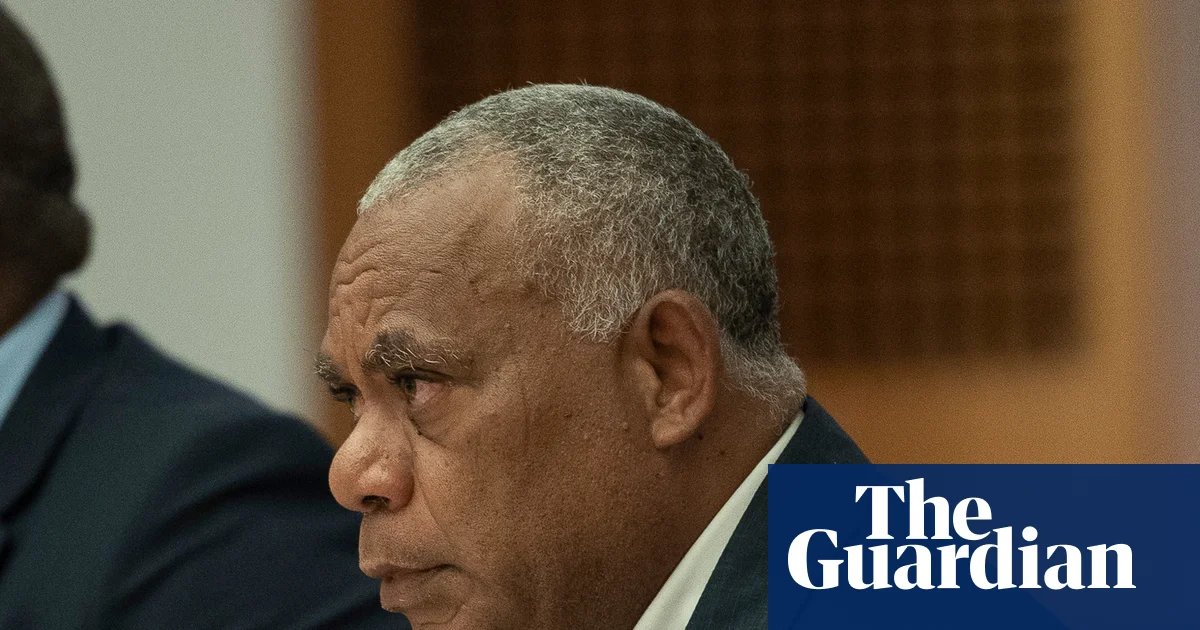
Photo provided by : The Guardian
@hoju-korean.com Editorial Team







![[Summary News] Swedish Elections Show Narrow Lead for Centre…](https://hoju-korean.com/data/world_news/20260914_210120_bdd5c6d8.jpg)

![[Summary News] Calls for Economic Recovery in the UK, Challe…](https://hoju-korean.com/data/world_news/20260913_210116_21d9b846.jpg)

![[Summary News] Global Developments: Xi's Diplomatic Visit, T…](https://hoju-korean.com/data/world_news/20260912_210057_f4e532f2.jpg)


![[Summary News] Escalating Conflicts and Political Changes Ma…](https://hoju-korean.com/data/world_news/20260911_210132_5c4f0e01.jpg)





댓글목록0