













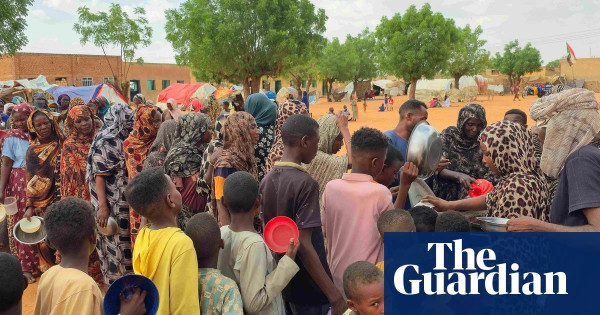
Dire Conditions for Displaced Civilians in El Obeid Amid Sudanese Civil War
Humanitarian conditions in the Sudanese city of El Obeid and its surrounding camps are deteriorating as civilians flee the ongoing civil war between the Sudanese Armed Forces and the Rapid Support Forces (RSF). Since mid-July, over 15,000 families have arrived in El Obeid, adding to more than 200,000 who sought refuge in the first half of the year, according to government figures reported by Save the Children.
Maryam, a humanitarian volunteer, described the situation as "very harsh," noting the city is "shockingly overcrowded." New arrivals often travel on foot with minimal belongings and face severe food shortages, arriving traumatized from their experiences. El Obeid, the capital of North Kordofan province, had a population of around half a million before the conflict escalated more than three years ago.
While many displaced individuals have integrated into the city, tens of thousands are residing in two main tented camps. Satellite data analysis by the Yale Humanitarian Research Lab revealed an increase of 800 tents in one of the camps between August 4 and 25. Paul Byars, Sudan country director for the Danish Refugee Council, reported witnessing 450 new arrivals in one morning, with authorities indicating that 85% of these individuals are women and children, as most men remain behind for farming.
The civil war erupted in Khartoum on April 15, 2023, due to a power struggle between the armed forces and RSF. The conflict has displaced approximately 11.3 million people, over 20% of the population, with some regions, including El Obeid, facing famine risks. Casualty estimates range from tens to hundreds of thousands, with significant massacres reported in El Fasher.
A rise in RSF drone strikes in El Obeid in June prompted UN warnings of potential besiegement, similar to events in El Fasher. Although the frequency of strikes has decreased since the armed forces regained control of a key road to Khartoum in late July, civilians continue to be harmed by drone attacks, and violence persists in surrounding areas, leading to further displacement. Volunteers have observed an increase in "double-tap" drone strikes, targeting rescuers at the scene of initial attacks.
Photo provided by : The Guardian
@hoju-korean.com Editorial Team

















댓글목록0