













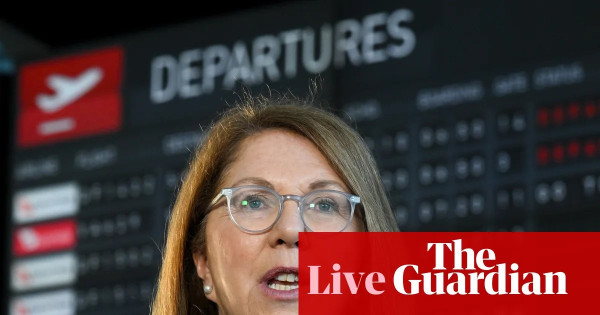
South Australian Premier Optimistic Despite Blast Furnace Closure
South Australian Premier Peter Malinauskas expressed optimism regarding the future of steel making in Whyalla, following the recent announcement of the closure of a major blast furnace. Speaking on ABC News Breakfast, Malinauskas highlighted the disappointment and heartbreak felt in the community but noted a sense of inevitability surrounding the decision. The blast furnace, which has been operational since 1965, has not undergone significant recapitalization in the past 20 years, leading to its current state.
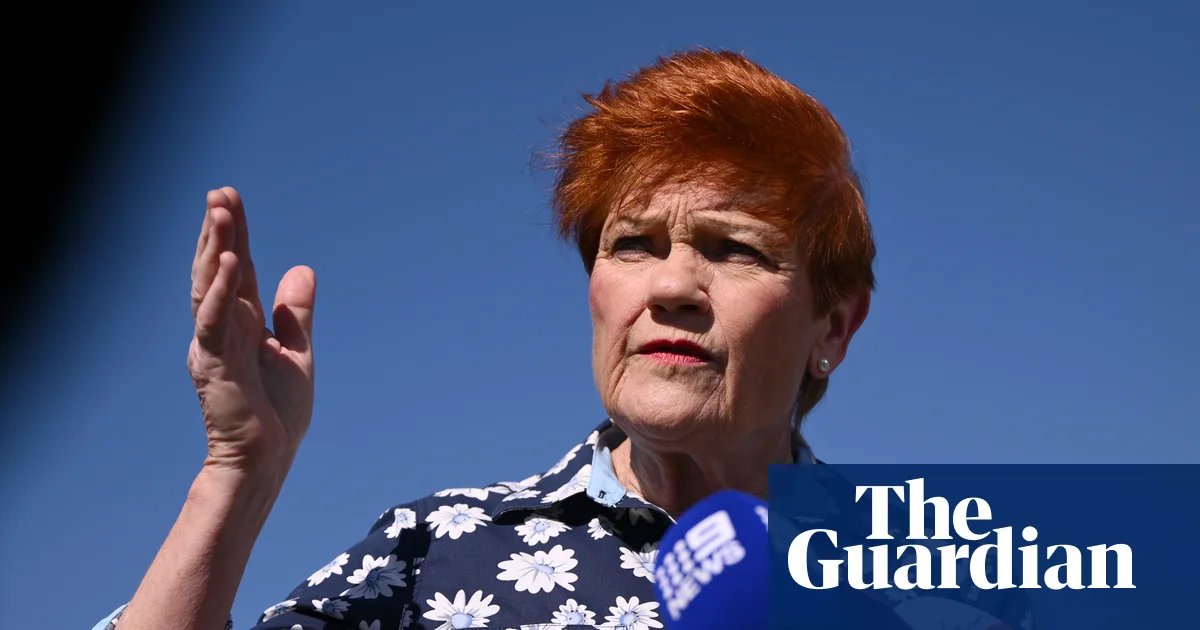
Malinauskas emphasized the importance of recapitalizing the plant to maintain Australia’s structural steel-making capacity. He stated that without this capacity, the country would face significant challenges. The premier criticized political figures, including Pauline Hanson, for attempting to Americanize Australian politics, suggesting that such actions could hinder constructive discourse on pressing issues. He underscored the necessity of addressing serious challenges without resorting to divisive rhetoric.
Pauline Hanson Faces Backlash Over Gas Policy Shift and Police Incident
Pauline Hanson has come under scrutiny for reversing One Nation's commitment to a gas reservation policy, opting instead for a position that aligns with corporate interests, particularly those of Gina Rinehart. This shift occurs amid a notable decline in Australia's dependence on gas during peak energy demands, which has dropped nearly 70% over the past year due to the rise of battery storage solutions.
In a separate incident, a homeless man in Brisbane was hospitalized after being shot with a Taser by police during an attempt to clear a tent city. This event has raised concerns regarding mental health considerations in policing, particularly in light of Queensland's ongoing homelessness crisis. Additionally, health experts have reported a concerning increase in sexually transmitted infections across Australia, with rates of gonorrhea and infectious syphilis rising over 50% in the past decade.
Labor's Digital Duty of Care Legislation Sparks Political Debate
The introduction of Labor's digital duty of care legislation has ignited a political debate, particularly among the Coalition and One Nation, who have criticized the measure as a potential infringement on freedom of speech. Angus Taylor labeled the legislation a "blank cheque for political censorship," while Pauline Hanson described it as akin to "Communist China."
Supporters of the legislation argue that it aims to hold tech companies accountable for the harmful effects of their products, promoting user choice and safety online. The debate reflects broader tensions over the regulation of technology and the responsibilities of digital platforms in Australia.
Former Immigration Official Warns of High Costs for Hanson's Immigration Cuts
A former senior immigration official has stated that the implementation of Pauline Hanson’s proposed immigration cuts could cost "many billions of dollars." Hanson's plan aims to reduce the number of temporary migrants in Australia by over 750,000 within three years, focusing on international students and family members of skilled migrants.
The official noted that enforcing these cuts would require extensive compliance checks across various sectors, including aged care and construction, leading to significant legal and operational costs. The proposal has raised concerns about its feasibility and the financial burden it would place on the government.
US Military Presence in Australia Raises Concerns Over Sovereignty
Research conducted by the Nautilus Institute reveals that the United States has significant access to Australian military facilities, leading to concerns about the potential for Australia to be drawn into conflict. Analysts have described this situation as a form of "colonisation" of Australia's military by the US.
The study indicates that more than half of the military bases in Australia are accessible to US military personnel or defense corporations. This has prompted discussions about Australia's sovereignty and the implications of its military relationship with the United States, particularly regarding the Pine Gap facility in the Northern Territory, known for its intelligence operations.
Photo provided by : The Guardian
@hoju-korean.com Editorial Team







![[Summary News] Sydney Theatre Company Announces 2027 Program…](https://hoju-korean.com/data/aus_news/20260914_210101_b755a18a.jpg)



![[Summary News] NSW Police Officer Caught on Video Boasting A…](https://hoju-korean.com/data/aus_news/20260913_210103_f1a127c5.jpg)






댓글목록0