











Ferocious fight among Brazil’s supreme court erupts on eve of presidential election
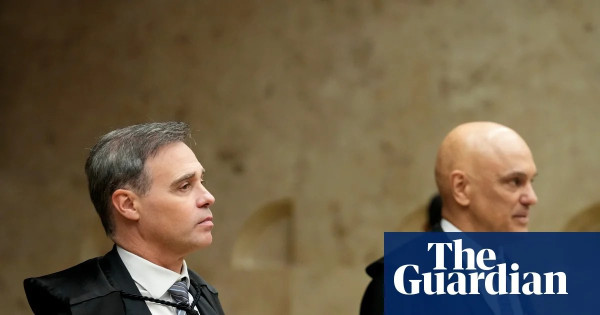
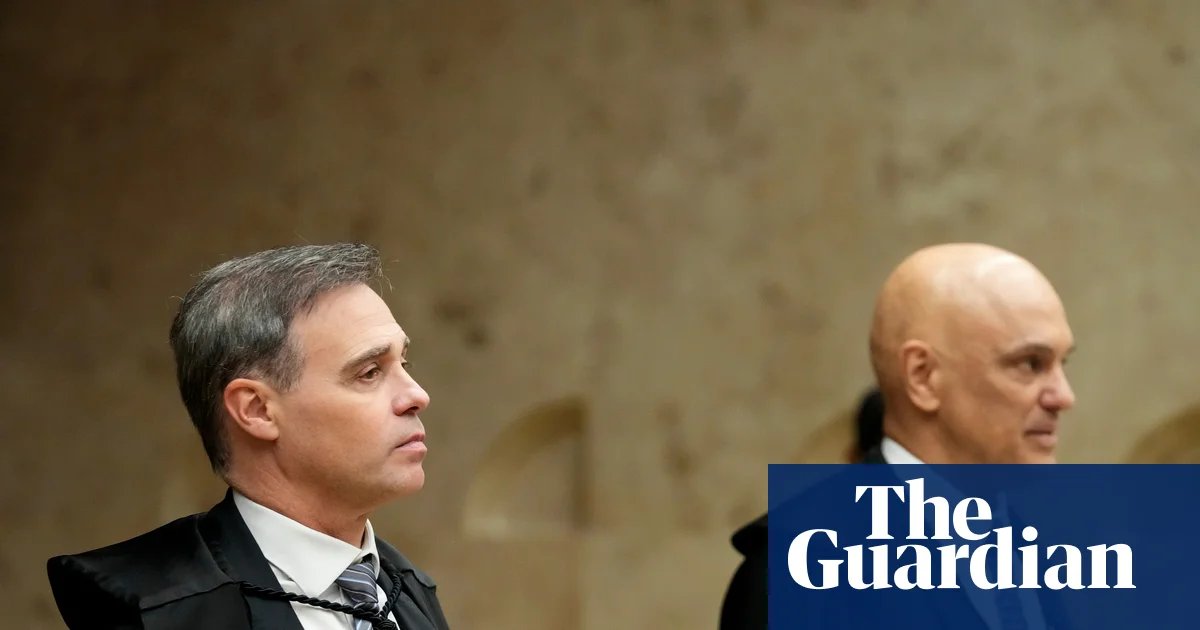
Brazil's Supreme Court is experiencing a significant crisis, deemed the most severe since the restoration of democracy in the 1980s, as two judges engage in a fierce public dispute just days before the presidential election. The conflict erupted during a Supreme Court hearing on Tuesday, which was broadcasted live, allowing millions of Brazilians to witness the heated exchanges. Judge Alexandre de Moraes accused his counterpart, André Mendonça, of serving a political group that attempted a coup in Brazil. Mendonça vehemently denied the allegation, leading to a dramatic back-and-forth between the judges.
Gilmar Mendes, a third judge, intervened, accusing Mendonça of politicizing the court's work to create chaos and influence the upcoming election. The tensions reflect the broader electoral struggle between leftist President Luiz Inácio Lula da Silva and far-right challenger Flávio Bolsonaro. Moraes, known for his aggressive demeanor and martial arts background, was appointed by right-wing President Michel Temer but has become associated with Lula due to his prosecution of former President Jair Bolsonaro for attempting a coup.
Mendonça, appointed during Jair Bolsonaro's presidency, is viewed by many leftists as a supporter of the former president, who is currently serving a lengthy prison sentence. As the election approaches, the conflict between the judges intensifies amidst a growing banking scandal linked to the Banco Master, which began with the arrest of its owner, Daniel Vorcaro, last November. Investigations have uncovered connections between Vorcaro and various political figures, including Flávio Bolsonaro and Moraes.
Mendonça has been accused of fast-tracking investigations against Moraes while delaying inquiries into Vorcaro's connections to the Bolsonaros and his financial support for a film about Jair Bolsonaro. The ongoing judicial and political crisis could have far-reaching implications for Brazil, particularly as the election nears.
Canada Plans Unique Security and Economic Alliance with EU Amid US Trade Tensions
Mark Carney announced that Canada will seek a "unique security and economic alliance" with Europe, positioning the nation as a central player in the evolving global economic landscape. Speaking at the Canada Investment Summit, Carney emphasized the need for Canada to reduce its reliance on the United States amid a fracturing trade relationship. He described Canada as a "safe harbour" for foreign investment, aiming to attract capital from diverse sources.
Carney highlighted the increasing global divisions and the weaponization of economic integration, referencing the trade policies of former President Donald Trump. He stated that Canada must prioritize self-sufficiency and strengthen partnerships with other nations. The prime minister expressed optimism that a more global outlook could lead to substantial investments in Canada.
In his remarks, Carney noted that Canada is the only non-European member of the EU's defense procurement initiative and outlined plans for a unique relationship with the bloc. He mentioned possibilities such as visa-free travel and work arrangements, although discussions are still in the early stages. Carney is scheduled to attend the European Parliament's plenary meeting in Strasbourg, where he will engage with European Commission President Ursula von der Leyen.
The commission is exploring ways to deepen ties with Canada without granting associate membership, maintaining a distinction between EU members and non-members. The desire to avoid repeating the complexities of Brexit negotiations underpins the EU's approach to enhancing its relationship with Canada.
Panama Canal Faces Reduced Traffic Due to Severe Drought from El Niño
The Panama Canal is set to impose further cuts on maritime traffic as drought conditions worsen due to the El Niño climate phenomenon. This decision threatens to disrupt one of the world’s busiest shipping routes, which accounts for 5% of global maritime trade and approximately 40% of US container traffic. Starting in October, the canal will allow an average of 29.5 vessels to transit daily, a reduction of 18% from 36 vessels in August.
The canal's management previously reduced daily transits from 36 to 32 in September due to drought conditions. The ongoing conflict involving the US and Israel against Iran has also complicated shipping logistics, increasing costs for companies utilizing the canal. Reports indicate that some vessels have paid up to $4 million to bypass the queue, as delays have reached up to ten days.
Further restrictions may be necessary as El Niño is expected to peak later this year, potentially exacerbating the drought. The canal's operation relies on fresh water from rivers feeding into Lake Gatun, and recent rainfall has been below expectations. If water levels in the lake drop too low, the Panama Canal Authority will impose additional restrictions to ensure safe passage for vessels.
The El Niño phenomenon has led to extreme weather across Central America and northern South America, with record-breaking temperatures reported. The situation has raised concerns among shipping companies, prompting them to seek alternative routes to avoid delays caused by the canal's restrictions.
Indonesian Wildfires Threaten Critical Orangutan Research Site in Borneo
Wildfires in Indonesia are encroaching on a vital research site for Bornean orangutans, threatening the Rangkong research station, which is part of a long-term study of wild apes. The flames have come dangerously close to the station, located within Gunung Palung National Park, where over 2,500 orangutans reside. Prof. Cheryl Knott, who has studied orangutans at Cabang Panti for 32 years, expressed concern for the animals fleeing their habitats due to the fires.
The fires are primarily set to clear land, a common practice on the island, but an intense El Niño has contributed to exceptionally dry and hot conditions, allowing the fires to spread uncontrollably. Some regions in West Kalimantan have experienced months without significant rainfall, exacerbating the situation. The research conducted at Cabang Panti has been crucial for understanding orangutan reproduction, revealing that they give birth only once every eight years.
The approaching fires threaten to disrupt decades of research data, which is essential for understanding tropical ecosystems in the context of climate change. Without intervention, scientists estimate that the fires could reach Cabang Panti within 20 days. A team of over 40 individuals, including field assistants and local villagers, is actively working to protect the research station by constructing firebreaks and implementing improvised sprinkler systems.
The loss of this research site would have significant implications for the understanding of orangutan behavior and the ecological integrity of the region. Experts emphasize the need for continuous field data to monitor how tropical ecosystems adapt to global climate shifts.
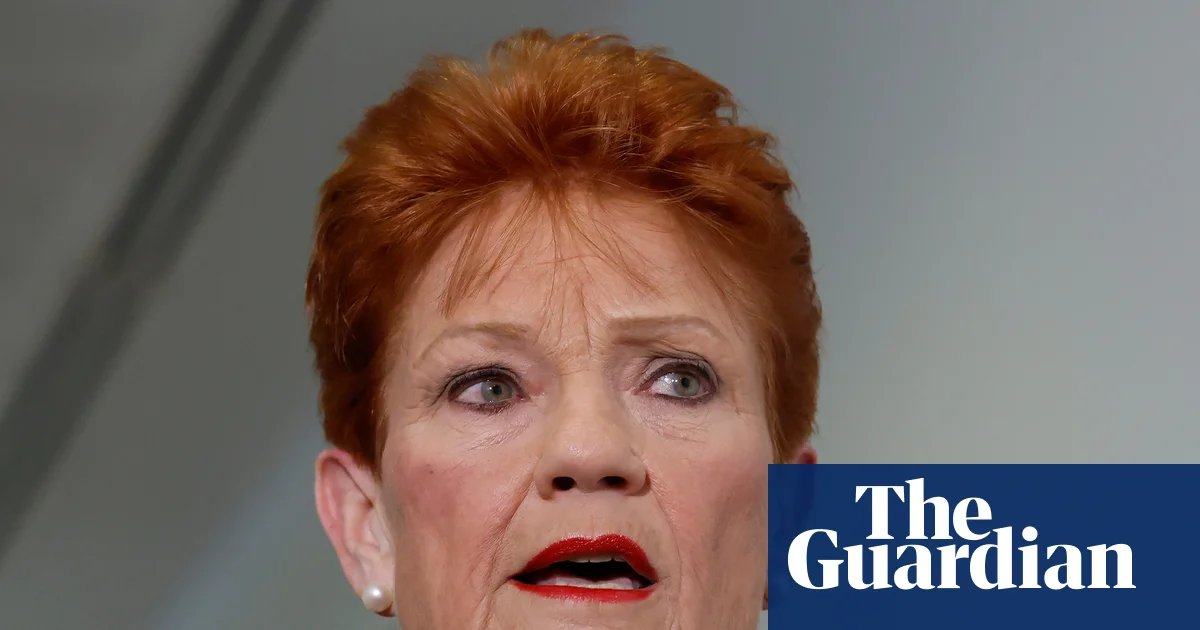
Pauline Hanson’s Daughter Works as Adviser Without Required Approval
Lee Hanson, daughter of Pauline Hanson, has been serving as a senior adviser to a New South Wales One Nation senator from Tasmania without the necessary ministerial approval. Parliamentary rules stipulate that personal advisers must obtain permission to work outside of Canberra or the senator's home base. However, it has been revealed that Sean Bell, who appointed Hanson, did not submit a request for an alternative work base arrangement.
The situation was discussed in the first episode of The Populist, a podcast by Guardian Australia focusing on One Nation. The Department of Finance approved a contract change to reclassify Hanson from an electorate officer to a personal adviser, bypassing the required processes. This role reportedly pays between $150,000 and $180,000 annually.
Sources indicate that the oversight occurred due to a departmental error, allowing Hanson to work in Tasmania without the necessary consideration of special circumstances. Analysis of her social media activity reveals that she has been actively campaigning for One Nation during work hours, which could violate the Members of Parliament (Staff) Act.
Under this act, staff are expected to assist parliamentarians in their official duties rather than engage in political campaigning. Hanson's social media posts indicate she has been involved in party activities during business hours, raising questions about her compliance with parliamentary regulations. She has been instrumental in expanding One Nation's presence in Tasmania, opening new branches and attracting new members, further complicating the situation surrounding her employment.
Photo provided by : The Guardian
@hoju-korean.com Newsroom






![[Summary News] Lithuania and Denmark Face Increased Tensions…](https://hoju-korean.com/data/world_news/20260915_210120_b0971ee5.jpg)


![[Summary News] Swedish Elections Show Narrow Lead for Centre…](https://hoju-korean.com/data/world_news/20260914_210120_bdd5c6d8.jpg)

![[Summary News] Calls for Economic Recovery in the UK, Challe…](https://hoju-korean.com/data/world_news/20260913_210116_21d9b846.jpg)





댓글목록0