













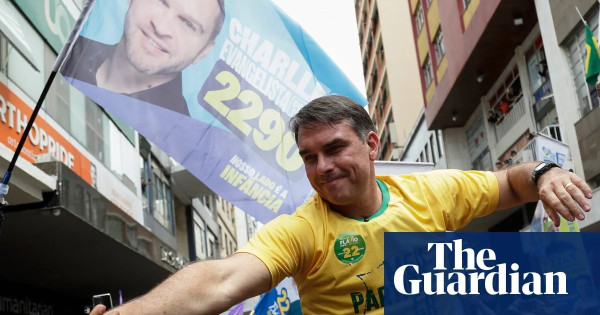
Flávio Bolsonaro Campaigns as Brazil's Election Approaches
Flávio Bolsonaro, son of the imprisoned former president Jair Bolsonaro, campaigned in Juiz de Fora, a pivotal city in Minas Gerais, ahead of Brazil's presidential election on October 4. He declared, "Brazil is rudderless. Brazil has no president and Brazil needs a president – and that president is Flávio Bolsonaro," as he garnered support from a crowd of enthusiastic followers.
With less than a month until the election, polls indicate a tight race between Flávio Bolsonaro and incumbent leftist president Luiz Inácio Lula da Silva. Recent corruption scandals involving Lula's family have seemingly boosted Flávio's campaign momentum, raising concerns among progressives about a potential return to radical right governance.
Jair Bolsonaro, who received a 27-year prison sentence for his role in a failed coup, may see his sentence commuted if his son wins the election, a scenario that excites his supporters. Many gathered at the event expressed hope for change, with one supporter stating, "Flávio represents change. He represents Brazil’s rescue from this socialist abyss."
The historical significance of Juiz de Fora, known for its leftist associations and as the site of a previous coup, underscores the stakes of this election. The city is also where Jair Bolsonaro was stabbed during a 2018 campaign event, an incident that many believe helped secure his victory.
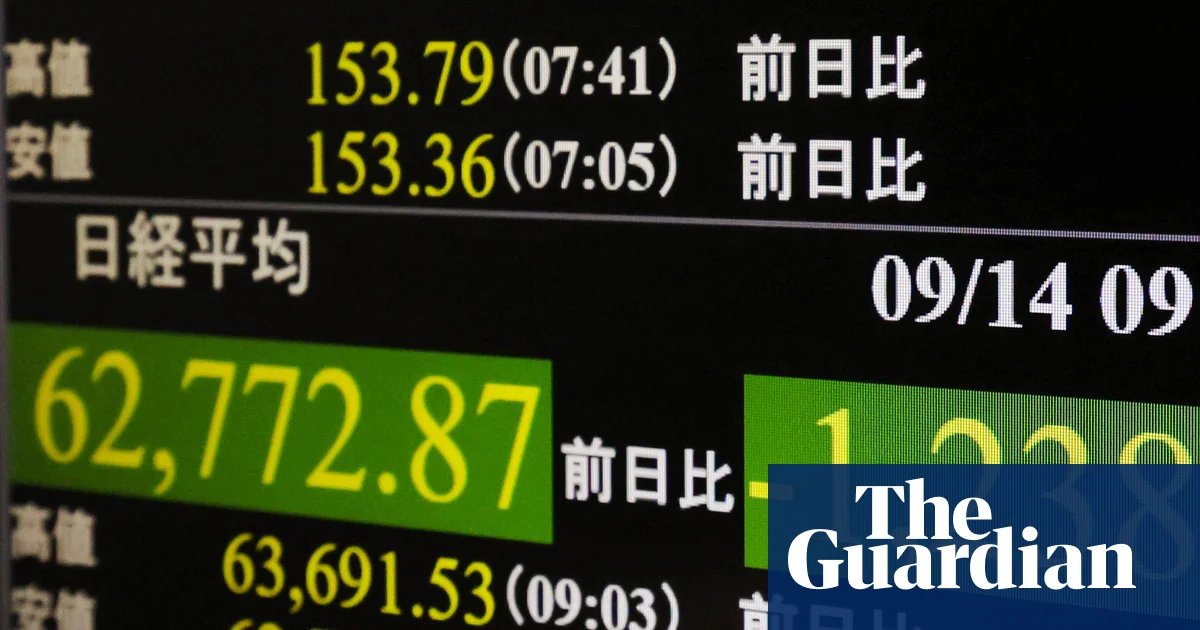
AI Stocks Decline Following Calls for Development Slowdown
Shares in AI-related companies fell sharply on Monday after leaders from Anthropic, OpenAI, and SpaceX urged a halt to what they termed "reckless" AI development. Nvidia, the world's most valuable company, saw its stock drop 3%, while Advanced Micro Devices (AMD) fell 4.4%, and Micron Technology and Sandisk experienced declines of 5%.
Dario Amodei, CEO of Anthropic, emphasized the need for caution, warning that unchecked AI development could lead to significant harm. In contrast, former President Donald Trump dismissed calls for increased regulation, labeling them as part of a "sick conspiracy" against AI.
The sell-off extended beyond American markets, with SoftBank shares plummeting 13% and South Korea's Kospi index dropping 3%. European tech stocks also took a hit, with ASML shares down 6%.
Despite the downturn for AI stocks, companies threatened by AI advancements, such as the advertising firm WPP, saw gains, reflecting market volatility in response to shifting sentiments about AI regulation. A cross-party group of UK lawmakers has raised concerns about the rapid pace of AI development, highlighting the lack of sufficient legal frameworks to address potential human rights risks.
Taser Incident Sparks Debate on Mental Health and Homelessness in Queensland
A homeless man in Queensland was shot with a Taser by police after attempting to take his own life during a forced clearance of a tent city at Pelican Park. This incident occurred on September 1, when Moreton Bay city council rangers ordered six homeless residents to vacate the area for an upcoming kite festival.
The 48-year-old man, known as Martin, expressed despair over losing his belongings, stating he would rather die than comply with the order. Following a self-inflicted injury, police intervened with a Taser, despite efforts to de-escalate the situation.
Queensland police reported that they provided immediate first aid after Martin sustained serious injuries. The incident has raised concerns among local advocates about the need for mental health considerations in handling homelessness, particularly in light of the state's ongoing crisis.
Martin, who has prostate cancer and has been homeless for over three years, was subsequently hospitalized and later returned to the park, where he continues to face challenges related to his living situation. Local advocates are calling for a halt to homeless clearances until they can ensure safety and legality.
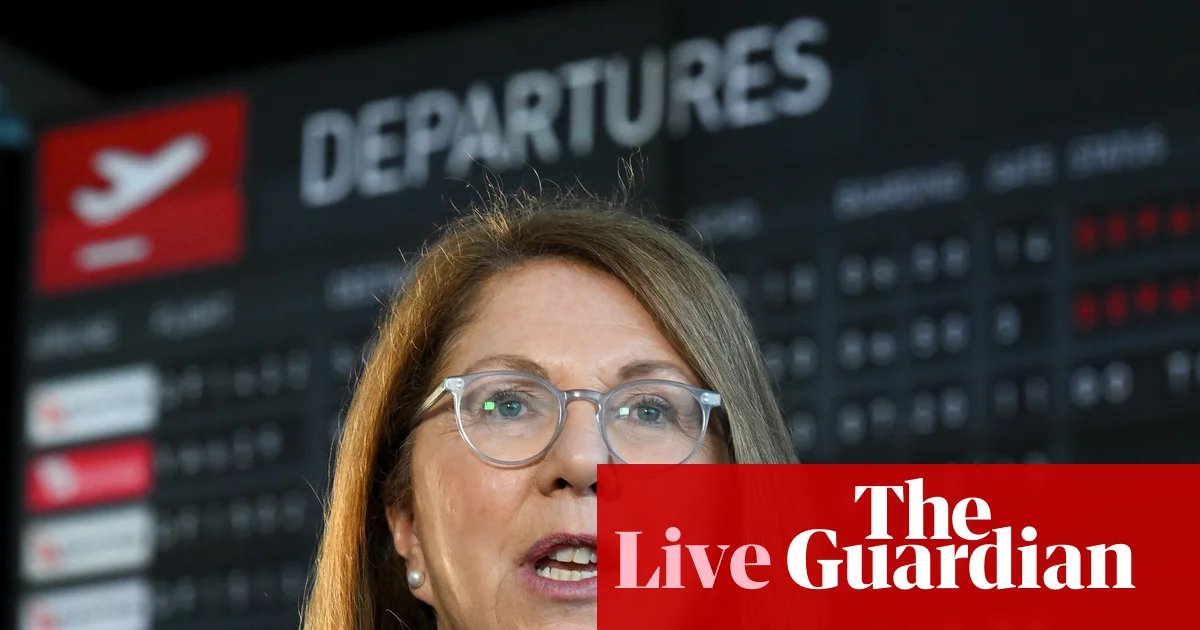
One Nation Criticized for Shifting Stance on Gas Reservation Policy
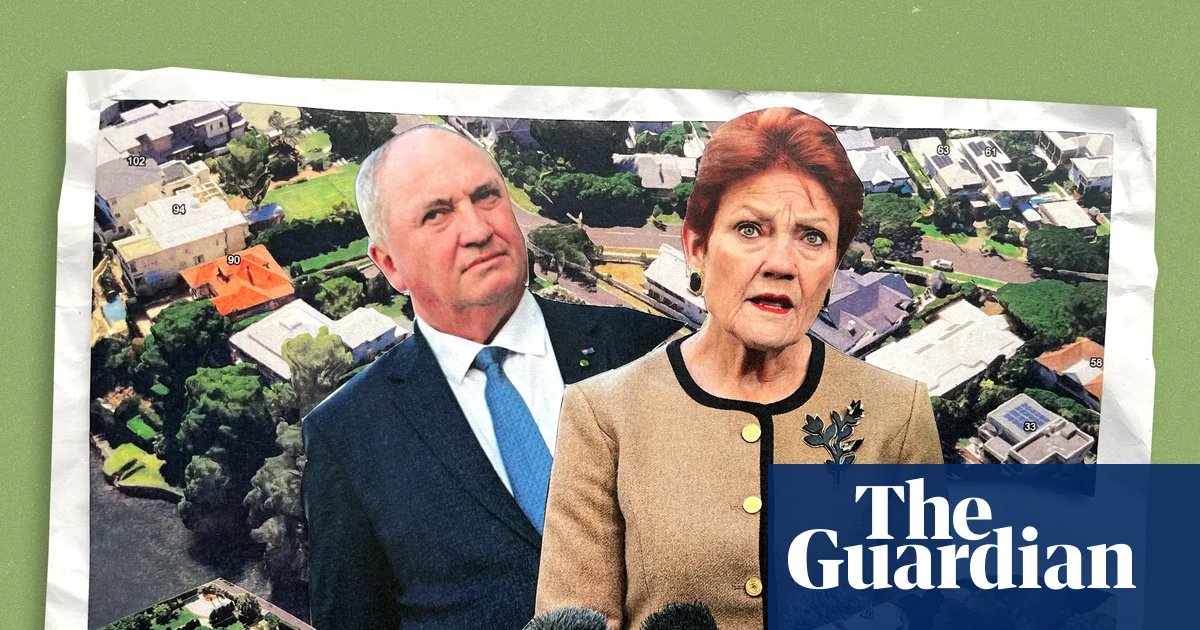
One Nation faces backlash for abandoning its support for a domestic gas reservation policy, which would require gas exporters to allocate a portion of their production to the domestic market. The Albanese government aims to implement this policy to alleviate consumer prices.
Pauline Hanson, the party leader, had previously supported a reservation policy but reversed course after consultations with industry stakeholders, claiming it could harm domestic gas companies. Critics argue that this shift benefits the interests of billionaire Gina Rinehart, a significant donor to the party.
Resources Minister Madeleine King criticized One Nation's decision, suggesting it reflects the party's alignment with corporate interests over the needs of Australian families. The opposition is considering backing the proposal, while the Greens advocate for a gas export tax.
The controversy highlights the tension between political support for domestic consumers and the influence of major industry players in shaping energy policy. One Nation's recent policy statement indicated a departure from its earlier stance, emphasizing a preference for joint ventures over reservation policies.
Photo provided by : The Guardian
@hoju-korean.com Editorial Team








![[Summary News] Swedish Elections Show Narrow Lead for Centre…](https://hoju-korean.com/data/world_news/20260914_210120_bdd5c6d8.jpg)
![[Summary News] Calls for Economic Recovery in the UK, Challe…](https://hoju-korean.com/data/world_news/20260913_210116_21d9b846.jpg)

![[Summary News] Global Developments: Xi's Diplomatic Visit, T…](https://hoju-korean.com/data/world_news/20260912_210057_f4e532f2.jpg)







댓글목록0