













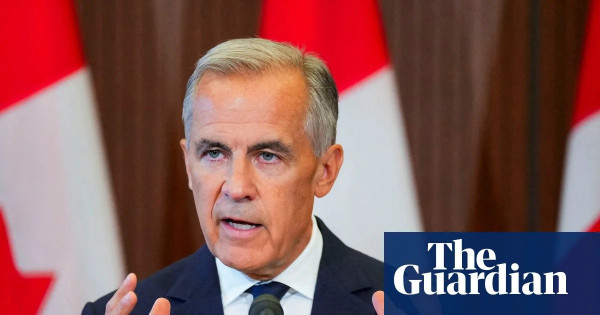
Canada’s ruling Liberals sweep special elections in boost to Mark Carney
Canada’s ruling Liberal Party has won three special elections, reinforcing support for Prime Minister Mark Carney following his confrontation with US President Donald Trump. The Canadian Press projected Liberal victories in Chicoutimi-Le Fjord in Quebec, Beaches-East York in Toronto, and North Vancouver-Capilano in British Columbia. Carney stated that the results reflect voter confidence in his government's plans during a critical time for Canada.
The most notable outcome occurred in Chicoutimi-Le Fjord, where Liberal candidate Daniel Gobeil is projected to win decisively, taking a district previously held by the opposition Conservatives since 2018. Gobeil emphasized that this victory signifies the importance of maintaining Canadian unity. The other two seats had been held by Liberals prior to the elections. In North Vancouver-Capilano, Carney’s former deputy chief of staff, Braeden Caley, secured a win.
Liberal lawmaker Hedy Fry remarked that the results send a strong message to the United States regarding the support for Carney. The backdrop to these elections includes failed US-Canada trade talks, which collapsed on August 21, leading to significant tariffs imposed by Trump on Canadian goods. Carney has since sought to strengthen economic ties with Europe and other partners. The Liberal sweep increases the party's representation to 173 seats in the 343-seat House of Commons, solidifying its parliamentary position. Political science professor Daniel Béland noted that the Quebec result is particularly significant, indicating a decline in Conservative support in the region.
China warns of ‘consequences’ over Taiwan presence at Pacific Islands Forum
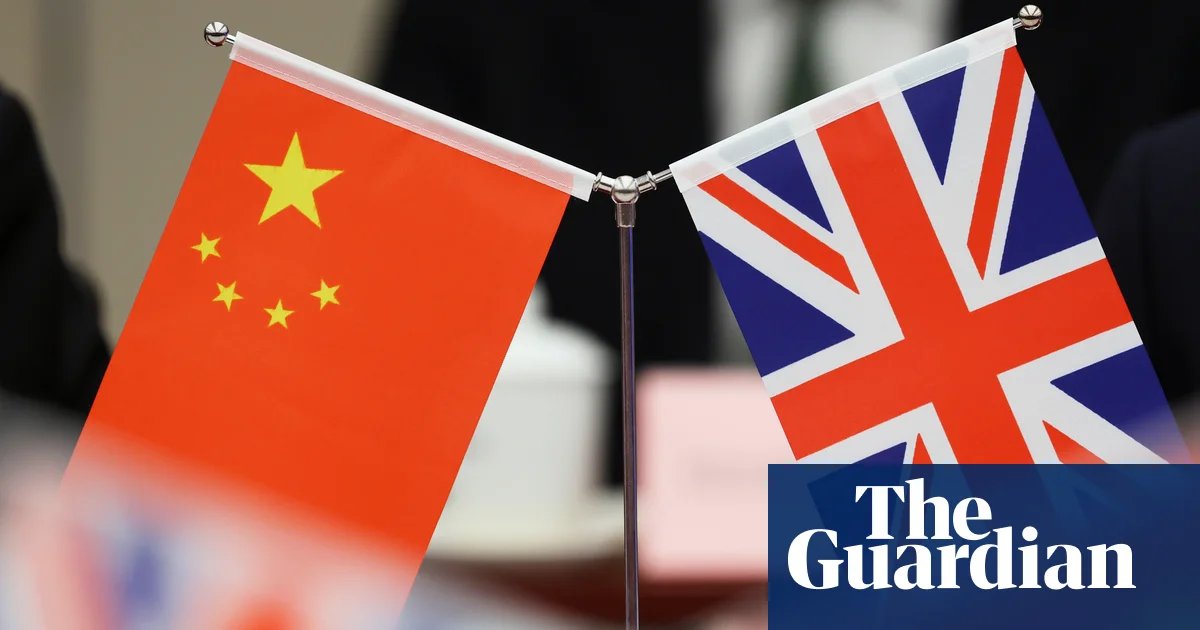
China has expressed serious concerns regarding Taiwan's participation in the annual Pacific Islands Forum held in Palau, warning of unspecified "consequences." Taiwan attended the group's opening ceremony on Monday, which China views as a challenge to its sovereignty, as it considers Taiwan part of its territory. Qian Bo, China's special envoy for Pacific island affairs, stated that the presence of Taiwan is inappropriate and should not have occurred.
Australian Prime Minister Anthony Albanese responded to the Chinese envoy's comments by asserting that the Pacific Islands Forum is an independent entity that determines its own proceedings. New Zealand’s foreign minister, Winston Peters, echoed this sentiment, emphasizing that the forum does not take direction from external countries. Taiwan’s Foreign Minister Lin Chia-lung expressed pride in Taiwan's role as a partner in the Pacific, highlighting its commitment to fostering prosperity and peace in the region.
Despite not being a formal dialogue partner of the forum, Taiwan was invited to participate in meetings and side events. The forum includes 21 dialogue partners, among them the US, EU, Britain, Canada, India, and Japan. China has been gradually diminishing Taiwan's formal diplomatic ties in the Pacific, leaving only three countries—Palau, Tuvalu, and the Marshall Islands—maintaining official relations with Taipei. The absence of leaders from several Pacific Island nations at the forum indicates ongoing geopolitical tensions, particularly as Australia, New Zealand, and the US seek to counterbalance China's influence in the region.
Photo provided by : The Guardian
@hoju-korean.com Editorial Team















댓글목록0