














OpenAI advises Australia to implement stronger AI security regulations
OpenAI has warned the Australian government that it needs to slow down the use of artificial intelligence and implement more robust security laws. In a submission to an ongoing inquiry, the company emphasized the importance of international cooperation to address global security threats posed by AI technologies. OpenAI highlighted that many significant risks associated with AI do not respect national borders, making it essential for countries to work together. The company stated that national leaders have a responsibility to collaborate with other nations to mitigate these risks.
OpenAI's submission included recommendations for creating laws that are fair, clear, and based on scientific principles. The organization noted that these laws should also be practical for law enforcement agencies. Additionally, it pointed out that patients need clarity regarding how prescribed medications could impact their legal status. OpenAI's concerns come as Australia navigates the complex landscape of AI development and its implications for society.
The inquiry into AI use in Australia is part of a broader effort to ensure that technological advancements do not compromise public safety or security. OpenAI's call for action underscores the urgency of establishing a regulatory framework that can effectively address the challenges posed by rapidly evolving AI technologies.
As discussions continue, the government is expected to consider various perspectives from industry leaders, researchers, and the public. The outcome of this inquiry could shape the future of AI legislation in Australia, influencing how technologies are developed and implemented.
Australian government faces backlash over immigration reforms affecting food prices
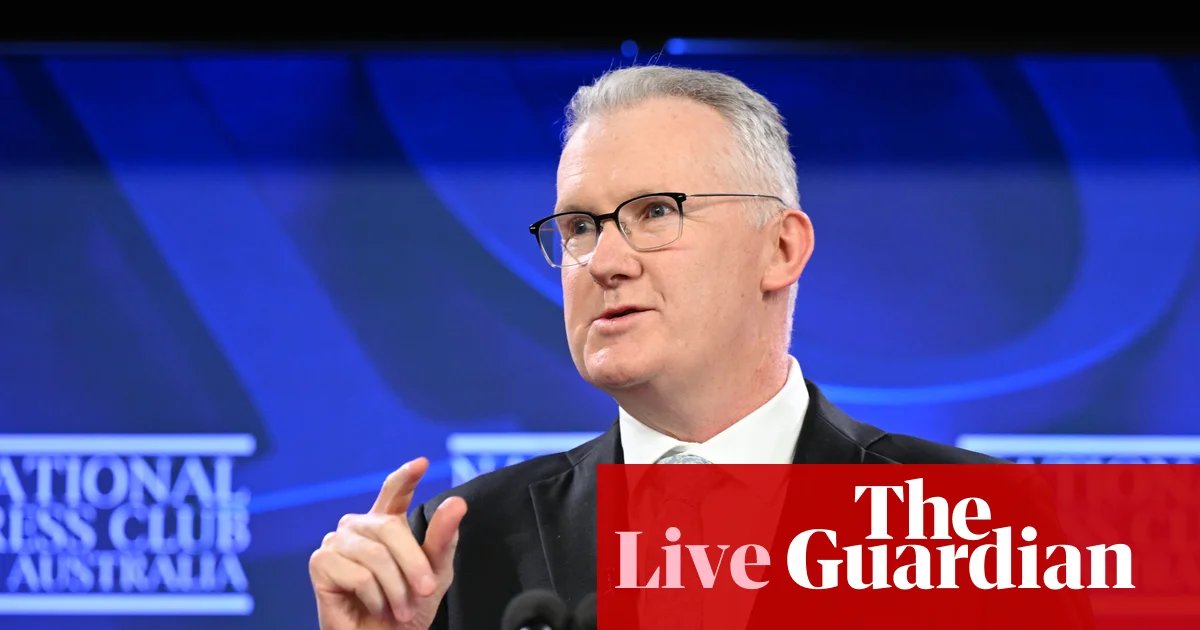
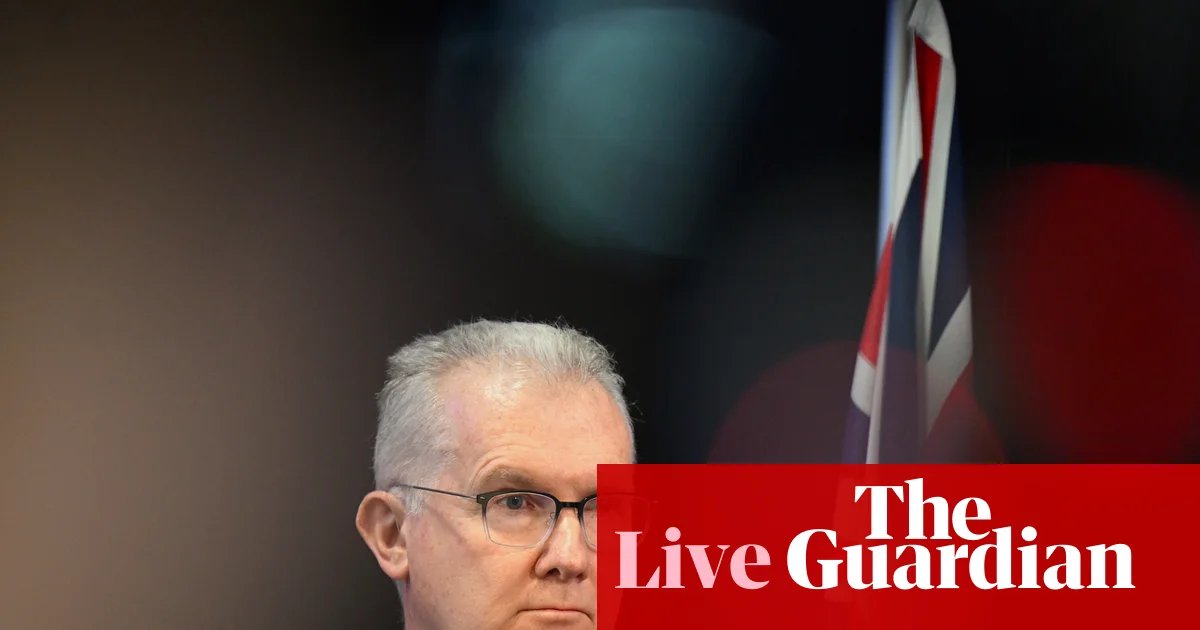
The Australian government's recent immigration reforms have sparked significant debate, particularly concerning their impact on food prices. Tony Burke, the Minister for Agriculture, has rejected claims from the farming lobby that these reforms will lead to increased food prices and scarcity. Burke described the expedited processing of backpacker visas as a positive development for the agricultural sector.
The farming lobby has expressed concerns that changes in immigration policy will adversely affect food supply and costs for households. However, Burke argued that the government's approach aims to enhance the agricultural workforce without negatively impacting food affordability. He emphasized the need for a balanced perspective on the reforms and their potential benefits.
In another development, Australian athlete Joanna Wietrzyk issued an apology after a controversial incident during a Hyrox event in China. Wietrzyk, who won the race despite experiencing a personal mishap, expressed regret to the people of China and her fellow competitors.
Additionally, a study has revealed that individuals with significant mortgage burdens experience heightened mental stress compared to others. The research indicates that those allocating over 30% of their disposable income to housing repayments face a decline in mental health. One affected individual shared her experience of financial strain and the constant pressure of budgeting.
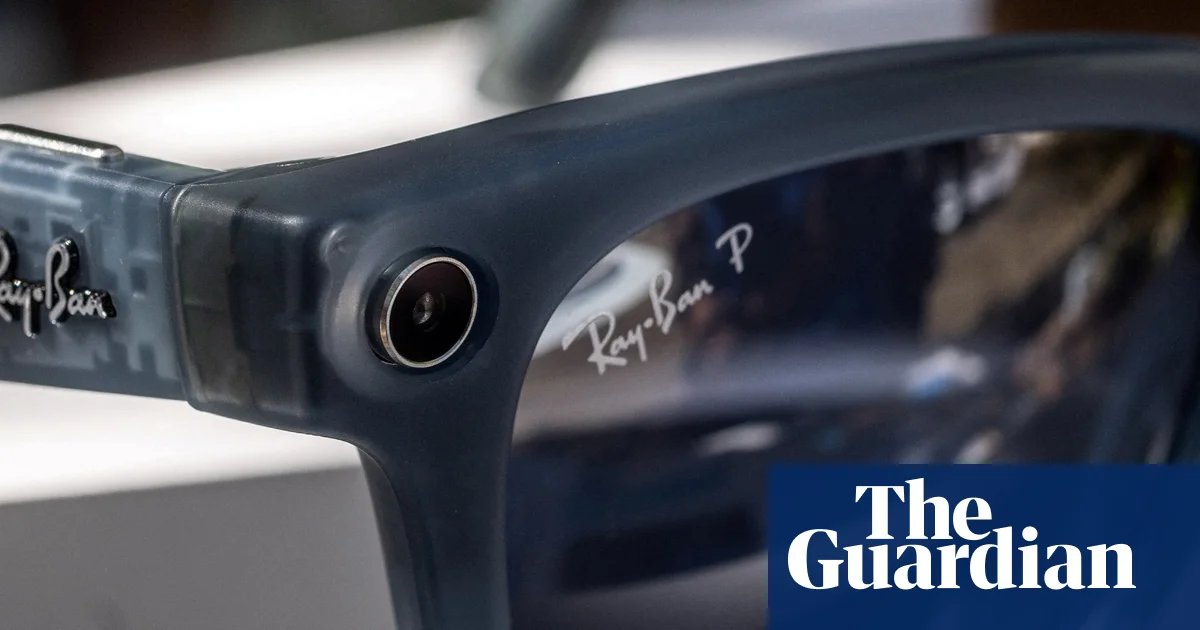
The Albanese government is also contemplating a ban on smart glasses in public offices and service centers due to privacy concerns. This move aligns with growing calls from various councils across Australia to limit the use of such technology in public spaces.
Personal account highlights the emotional toll of pregnancy termination
An anonymous individual shared a deeply personal account of the agonizing decision to terminate a pregnancy due to severe medical concerns. The narrative begins with a typical ultrasound visit that quickly turned into a distressing experience when medical staff indicated that something was amiss.
After a tense wait, the parents received a diagnosis revealing that their daughter had a genetic syndrome, leaving her chances of survival until birth at nearly zero. The couple faced the heartbreaking reality that even if born alive, their child would require extensive medical care throughout her life, which they could not afford.
The anonymous account emphasizes the importance of parental rights in making such critical decisions. The writer passionately defends the right of parents to choose what is best for their children, especially in dire circumstances. This personal story highlights the emotional turmoil and societal pressures surrounding the issue of pregnancy termination.
The narrative serves as a poignant reminder of the complexities involved in reproductive choices and the need for compassionate understanding in discussions surrounding abortion rights.
Minister Plibersek addresses parental concerns following violence report
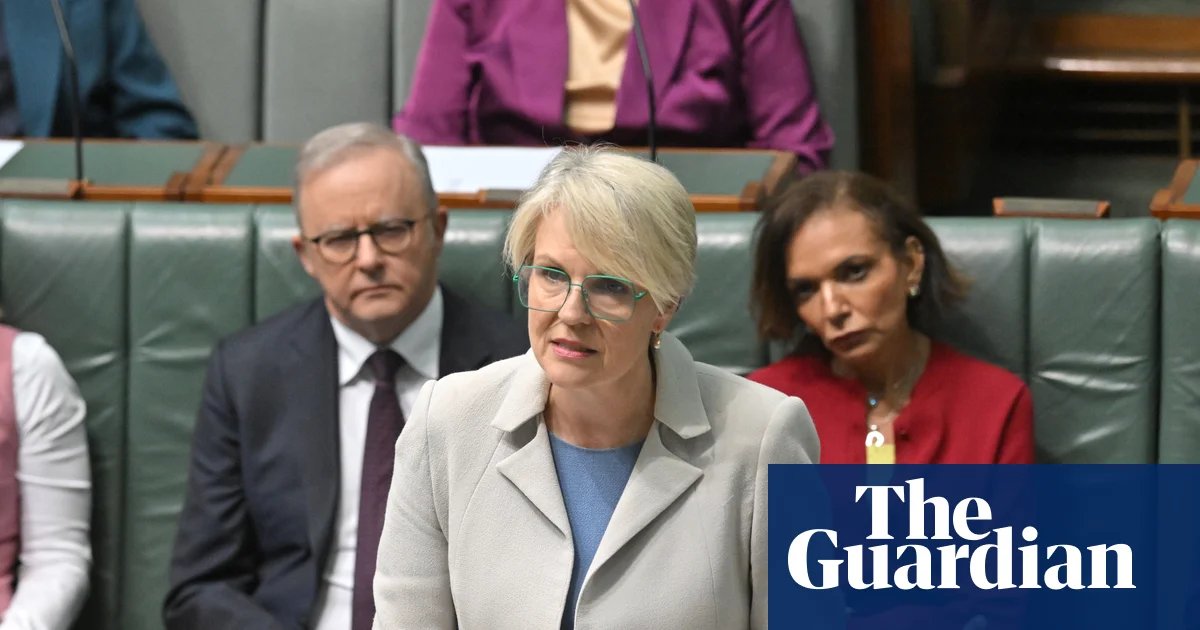
Social Services Minister Tanya Plibersek responded to alarming statistics from Australia's latest domestic, family, and sexual violence report. In a recent statement, she recounted receiving a letter from a concerned mother of three, who described the anxiety of parenting in today's environment as akin to "standing at the edge of a field watching something unfold."
The report indicated that incidents of sexual violence reached their highest levels in 2024, with a slight decline of less than 1% nationally in the previous year. Over the past 15 years, reports of sexual violence have surged by 64%. Plibersek acknowledged the gravity of these findings and the emotional toll they take on families.
She emphasized the government's commitment to addressing these issues and ensuring the safety and well-being of all Australians. The sobering statistics highlight the urgent need for effective measures to combat domestic and family violence in the country.
Plibersek's remarks reflect a growing recognition of the challenges faced by parents and families in navigating a landscape marked by rising violence and insecurity.
Australia to implement targeted measures against Israeli settler violence
Foreign Affairs Minister Penny Wong announced that Australia will collaborate with international partners to deter illegal settlements and settler violence in Israel. However, she clarified that the Australian government will not impose a trade ban on goods produced in Israeli settlements in the West Bank, diverging from the UK's approach.
Wong expressed concerns that a blanket ban could have unintended consequences for Australian businesses and the broader implications for both Palestinians and Israelis. She emphasized the importance of a measured response that addresses the complexities of the situation.
The announcement comes amid ongoing discussions about the impact of Israeli settlements on peace efforts in the region. Wong's statement reflects Australia's commitment to engaging with international partners to promote stability and security in the Middle East.
The government's stance highlights the delicate balance between advocating for human rights and maintaining economic relations. As the situation evolves, Australia aims to play a constructive role in addressing the challenges associated with Israeli settler violence.
Photo provided by : The Guardian
@hoju-korean.com Newsroom








![[Summary News] Australia Announces New Migration Plan, Outba…](https://hoju-korean.com/data/aus_news/20260917_210102_c01ade17.jpg)
![[Summary News] NSW ICAC Investigates Fugitive Developer's Bu…](https://hoju-korean.com/data/aus_news/20260916_210124_39b5453f.jpg)





댓글목록0