












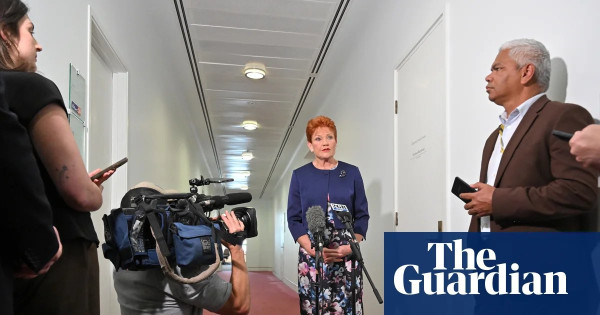
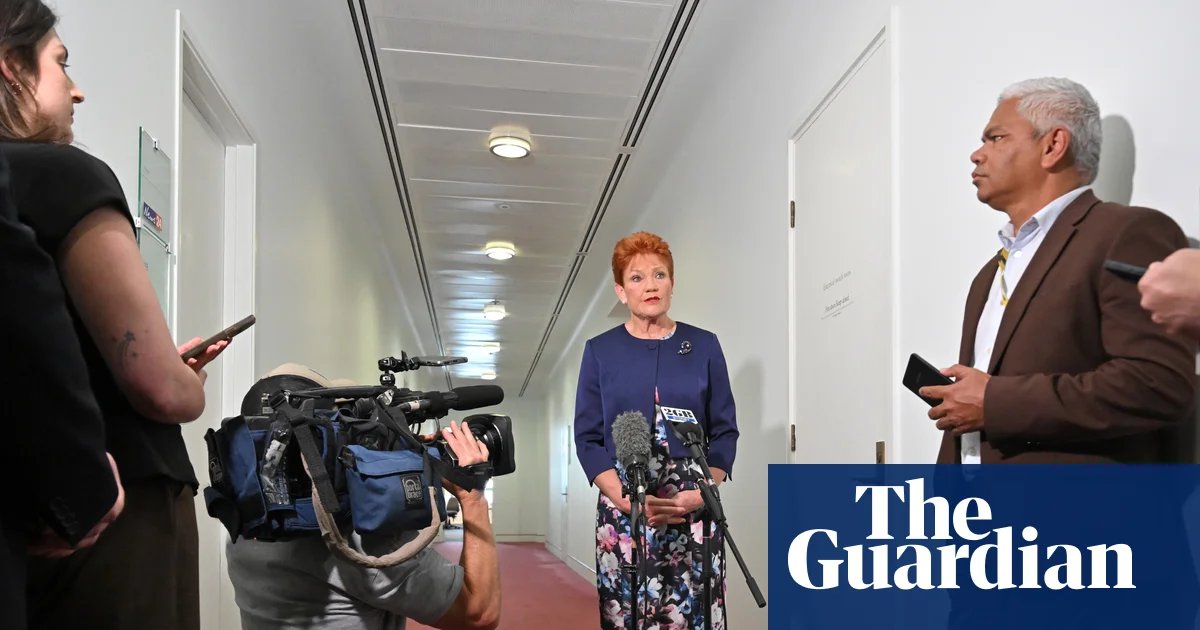
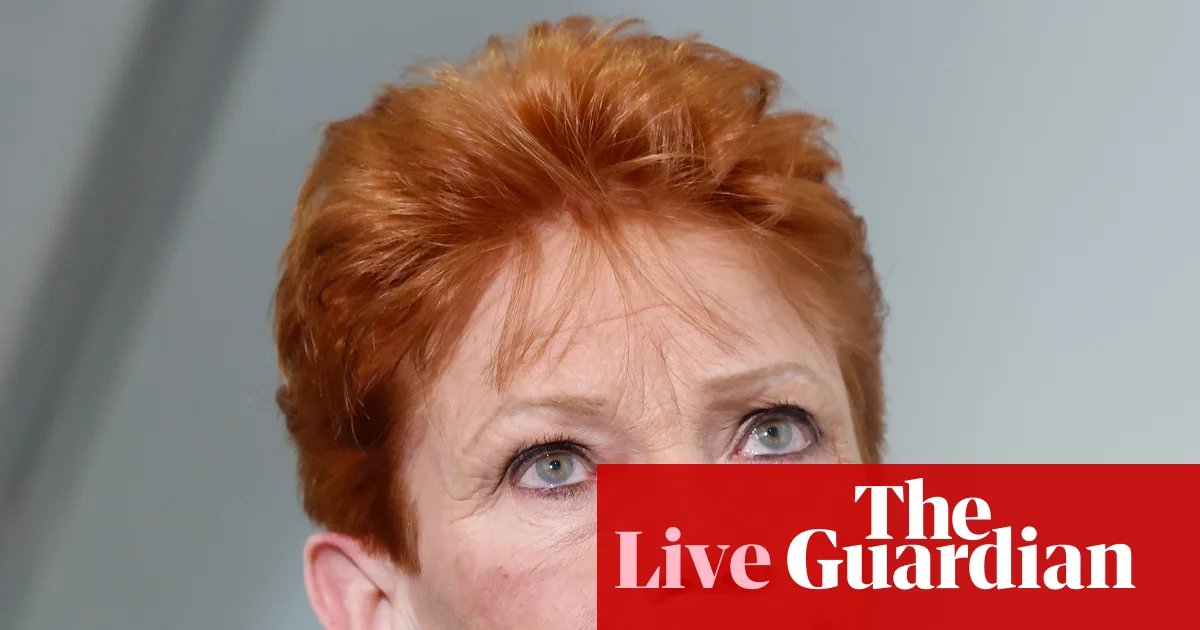
Is Pauline Hanson marching Australia towards a Brexit-style hostility to reason?
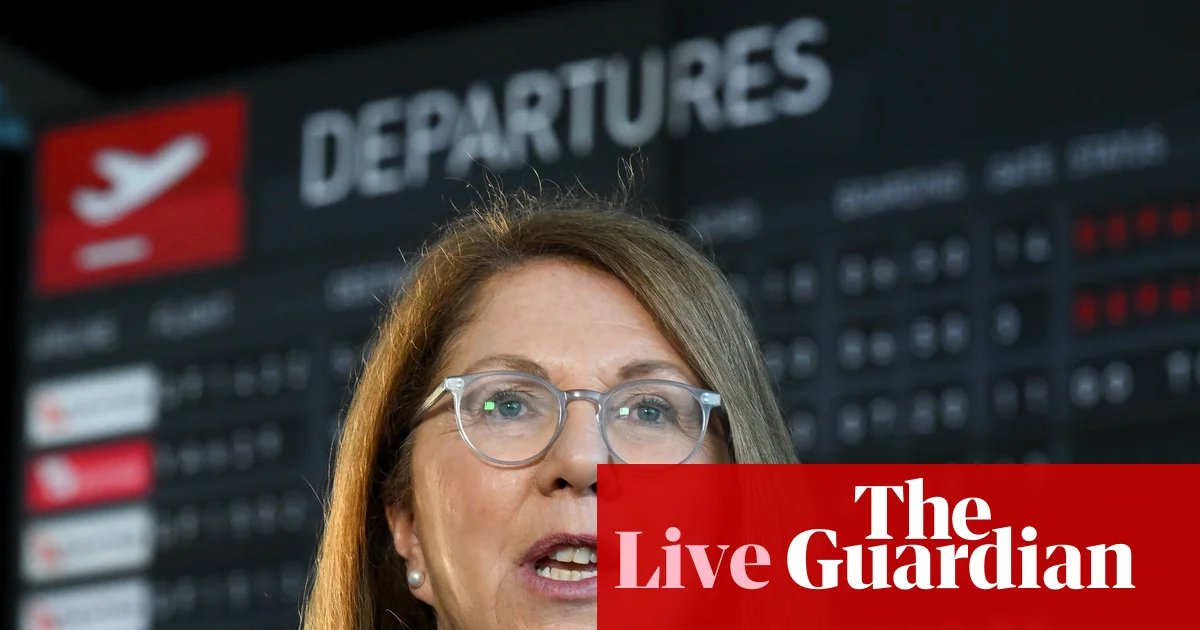
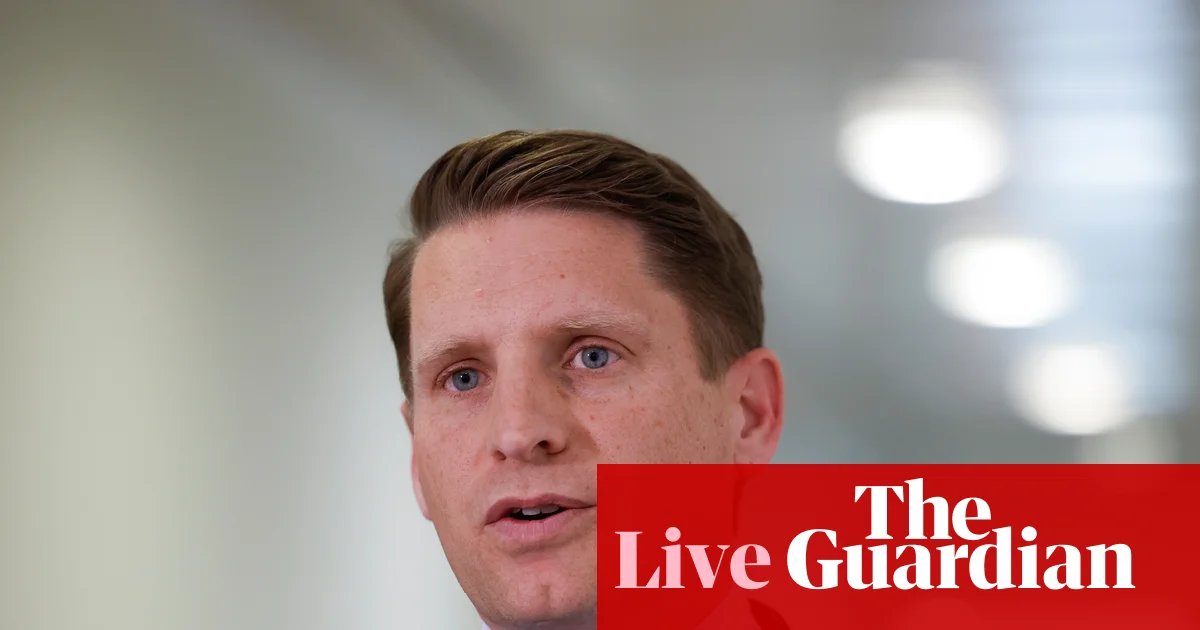
Pauline Hanson, the leader of One Nation, has been associated with a political stance that dismisses expert opinions, similar to sentiments expressed during the Brexit campaign. This approach has gained traction among voters who feel disillusioned by traditional political discourse. Michael Gove, a prominent figure in the Brexit movement, famously stated that the public had grown weary of being told what was best for them by experts, many of whom had been wrong in the past. This sentiment resonates with some Australians who support Hanson’s party, viewing it as a rejection of elite opinion.
Hanson's rhetoric often emphasizes a distrust of experts, which aligns with a broader trend in populist politics. Critics argue that this trend undermines informed decision-making and can lead to negative consequences for policy development. The One Nation party has capitalized on public sentiment that favors straightforward, relatable communication over complex expert analysis. As the party continues to gain support, the implications of this shift in political culture are becoming increasingly evident.
The rise of populism in Australia is not an isolated phenomenon, as similar movements have emerged globally. The challenge for traditional parties is to address the concerns of voters without dismissing their frustrations. Hanson’s approach may appeal to those feeling left behind by globalization and economic change. However, experts warn that ignoring facts and expert advice can lead to detrimental outcomes for society.
As One Nation navigates its political strategy, the balance between populist appeal and informed governance remains a contentious issue. The party’s success may hinge on its ability to maintain voter support while addressing the complexities of governance. Ultimately, the question remains whether this approach will lead to sustainable political success or contribute to further division within Australian society.
How close is One Nation to Australia's richest person? – video
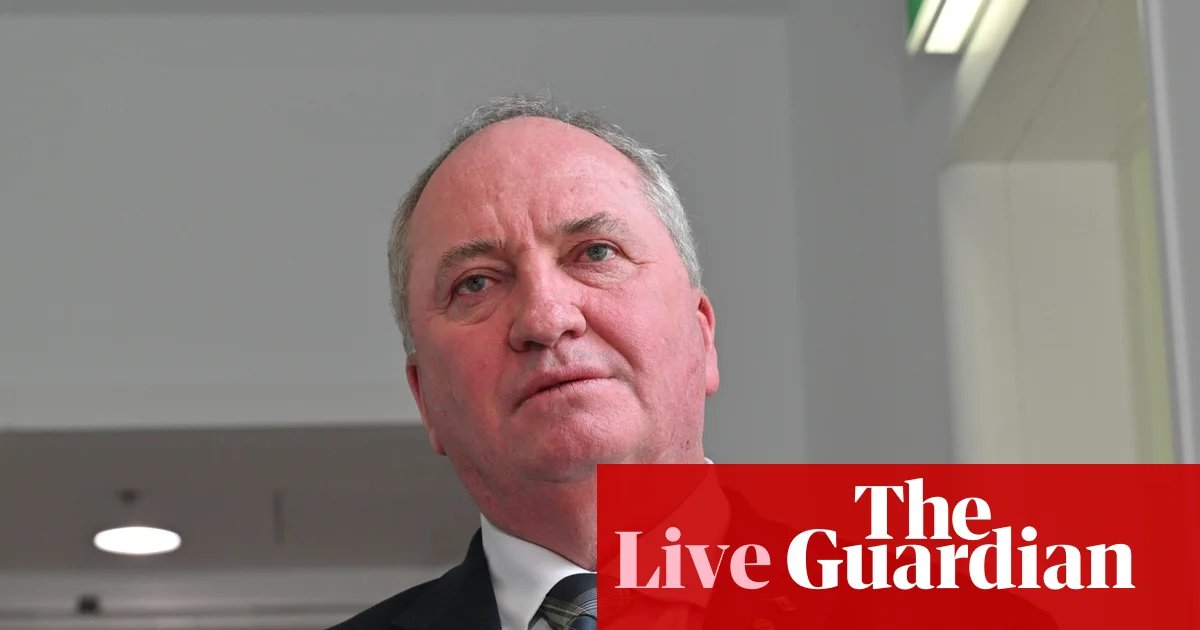
Pauline Hanson and Barnaby Joyce, key figures in the One Nation party, recently stayed overnight at Gina Rinehart’s $20 million mansion in Brisbane. Their visit followed fundraising events organized for One Nation, highlighting the close ties between the party and the mining magnate. Rinehart, known as Australia's richest person, has been a significant supporter of Hanson’s political endeavors, contributing to her party's financial backing.
The relationship between One Nation and Rinehart has drawn attention from political analysts and the media. The fundraising events indicate a strategic partnership that could influence the party's direction and policies. This connection raises questions about the impact of wealthy donors on political campaigns in Australia.
Hanson and Joyce's stay at Rinehart's mansion underscores the growing intersection between business interests and political funding. Critics of this relationship argue that it could lead to conflicts of interest and undermine the democratic process. The involvement of high-profile figures like Rinehart in political fundraising continues to be a contentious issue in Australian politics.
As One Nation navigates its future, the influence of Rinehart and other wealthy supporters may play a crucial role in shaping the party's platform and electoral strategies. The implications of this relationship extend beyond immediate fundraising efforts, potentially affecting public perception and voter trust in the party.
Parents of Australian brothers killed at Mexican surfing hotspot attend murder trial – video
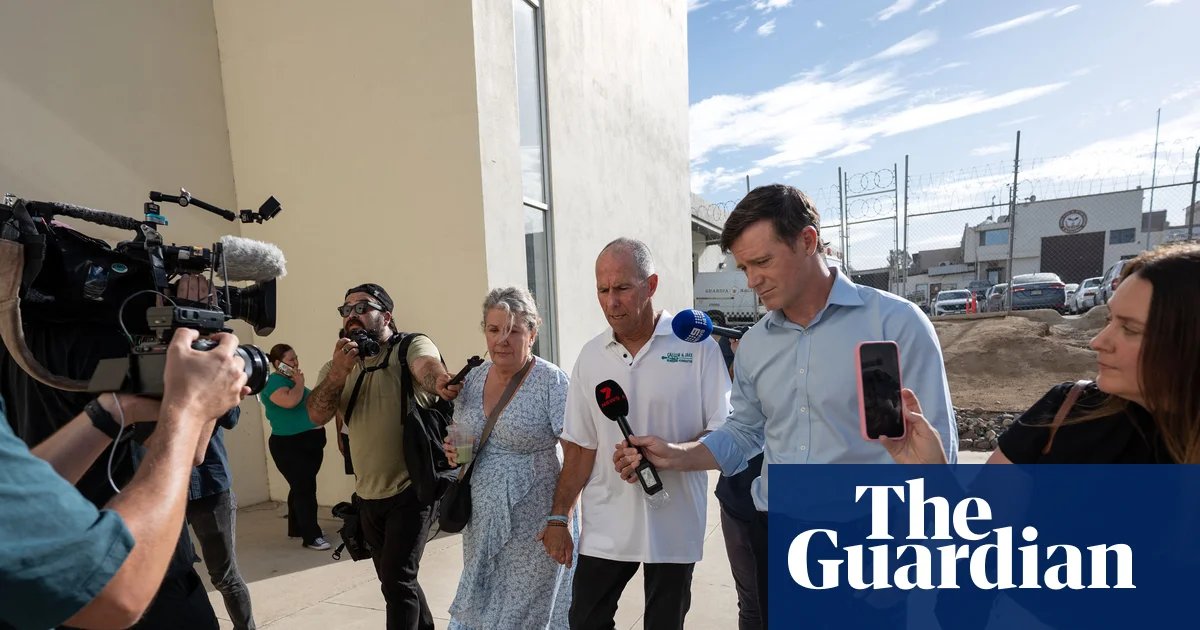
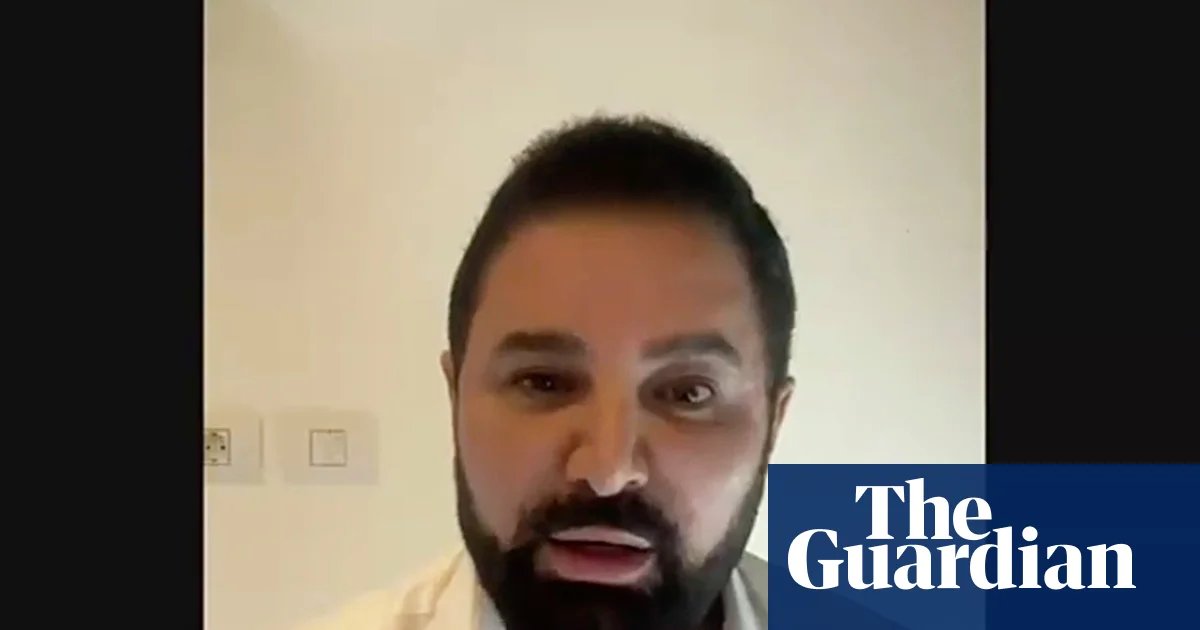
Debra and Martin Robinson, the parents of two Australian surfers, attended the opening of a murder trial in Mexico concerning the deaths of their sons. Callum and Jake Robinson, along with their American friend Jack Carter Rhoads, were killed while on a surfing trip in Baja California. The trial involves three men accused of the murders, and the Robinsons traveled to the port city of Ensenada to witness the proceedings firsthand.
The tragic deaths of the Robinson brothers have garnered significant media attention, highlighting the dangers faced by travelers in certain regions. The parents expressed their desire for justice and accountability regarding the circumstances surrounding their sons' deaths. Their presence at the trial reflects the emotional toll and the quest for closure following such a devastating loss.
As the trial unfolds, the Robinsons remain hopeful that the legal process will bring about answers and justice for their family. The case has raised awareness about safety issues for Australians traveling abroad, particularly in areas known for violence. The parents' commitment to attending the trial underscores the importance of seeking justice in the face of tragedy.
The trial is expected to draw considerable attention as it progresses, with implications for both the victims' families and the broader Australian community. The outcome could influence perceptions of safety in popular travel destinations and the responsibilities of local authorities in ensuring the well-being of tourists.
US military presence in Australia, mapped – video
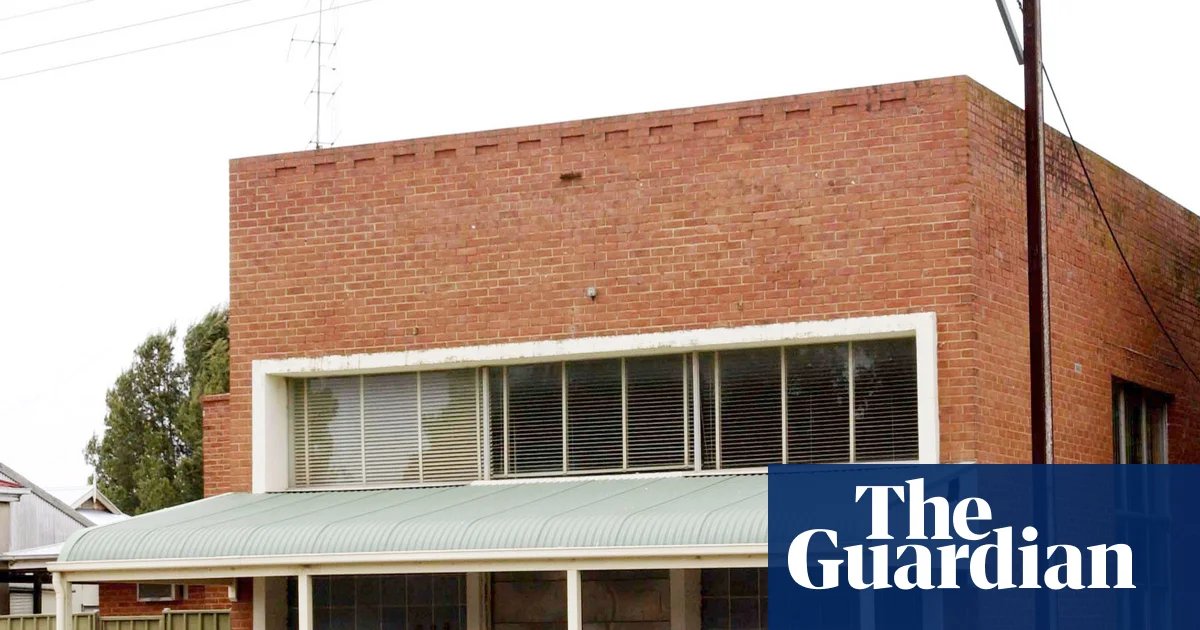
Research conducted by the Nautilus Institute has revealed extensive access of the United States military to Australian military facilities. More than half of Australia's military bases are reportedly accessible to US military personnel or defense contractors. This situation has sparked concerns among analysts about the potential implications for Australia’s sovereignty and involvement in international conflicts.
The report suggests that this level of access could inadvertently entangle Australia in military engagements without the public's consent. The presence of US forces at key installations, such as Pine Gap in the Northern Territory, has led to discussions about the nature of the US-Australia alliance. Pine Gap is known for its role in satellite communications and intelligence operations, established in collaboration with the CIA in 1966.
As the geopolitical landscape evolves, questions arise about the future of Australia’s military independence and its alignment with US interests. Critics argue that the growing military presence could lead to a loss of autonomy in defense decisions. The mapping of US military facilities in Australia highlights the strategic importance of this partnership while raising concerns about the potential consequences of increased military collaboration.
The ongoing dialogue surrounding military cooperation between Australia and the US will likely continue to be a pivotal issue in national security discussions. As public awareness of these developments grows, the Australian government may face pressure to clarify its stance on military alliances and the implications for its foreign policy.
Photo provided by : The Guardian
@hoju-korean.com Newsroom






![[Summary News] Sydney Council Bans Smart Glasses Amid Concer…](https://hoju-korean.com/data/aus_news/20260915_210053_cf73a0b6.jpg)

![[Summary News] Sydney Theatre Company Announces 2027 Program…](https://hoju-korean.com/data/aus_news/20260914_210101_b755a18a.jpg)







댓글목록0