













![[Summary News] NSW ICAC Investigates Fugitive Developer](https://hoju-korean.com/data/aus_news/thumb-20260916_210124_39b5453f_600x315.jpg)
ICAC hears testimony on fugitive developer Jean Nassif's business dealings
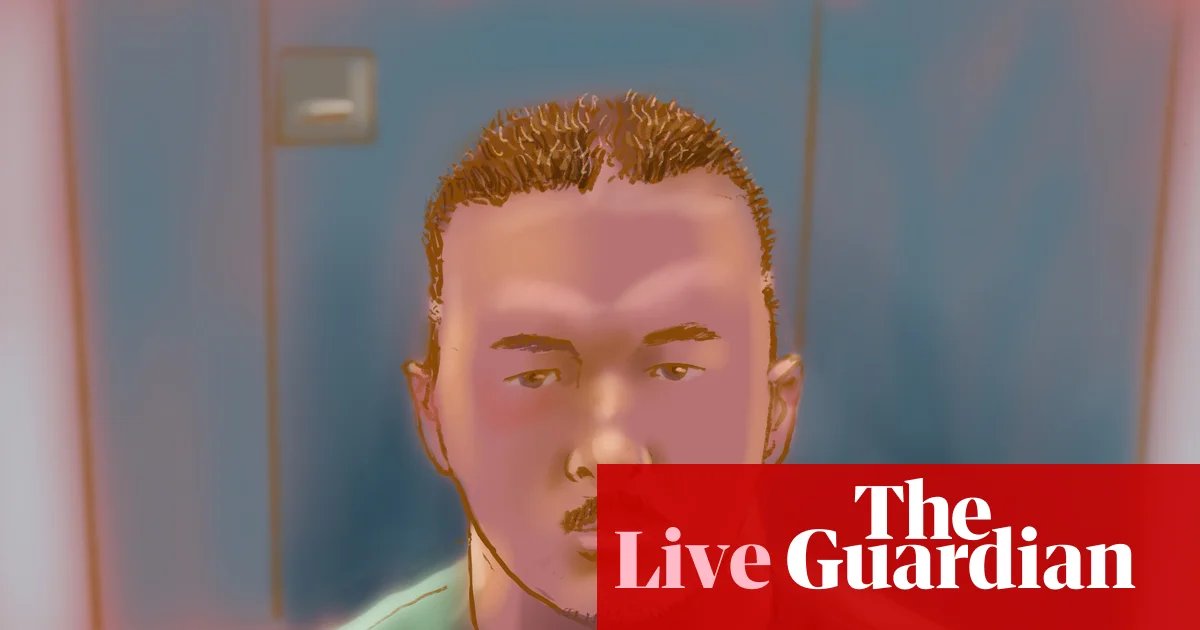
Jeremy Greenwood testified before the Independent Commission Against Corruption (ICAC) regarding his dealings with fugitive property developer Jean Nassif. Greenwood, a member of the Liberal Party, stated that he was left “high and dry” by Nassif, who is currently in Beirut. The commission heard that Greenwood did not pursue payments from Nassif because “it’s how Jean does business.” This statement highlights the complexities of their financial interactions.
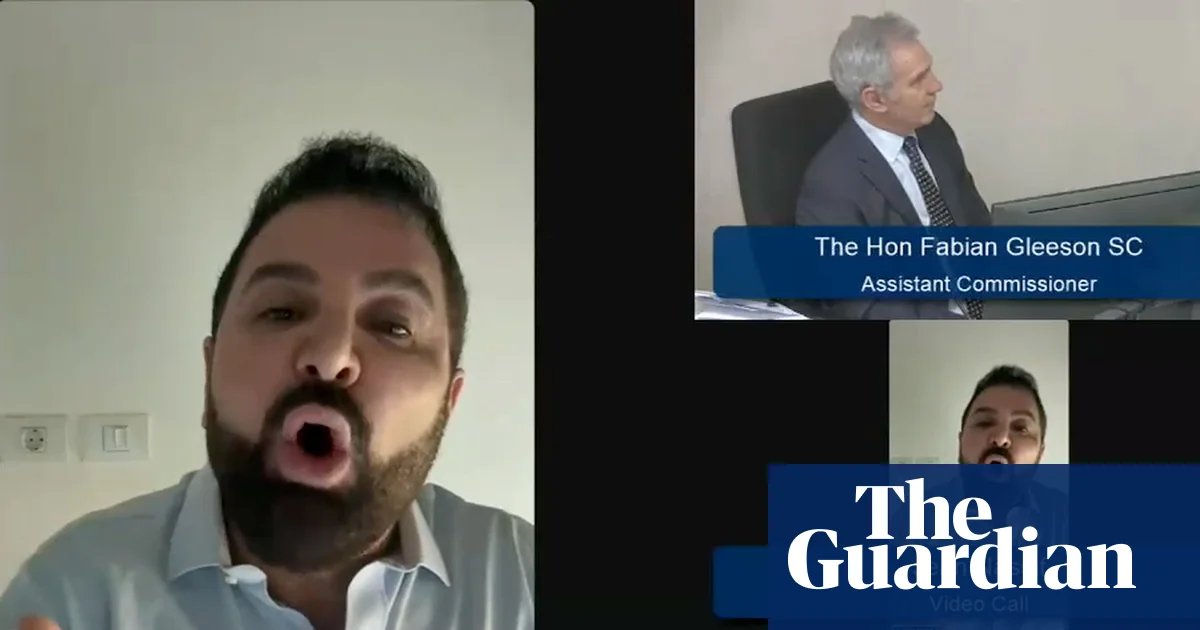
During the hearing, Greenwood denied that invoices amounting to nearly $1 million sent in September 2021 were “bogus accounts” intended to conceal political donations. The inquiry has been scrutinizing the nature of the financial transactions between Greenwood and Nassif. Greenwood's testimony follows an explosive video appearance by Nassif, who claimed he was “not corrupt” and defended his business practices.
The ICAC has been investigating allegations of corruption linked to political donations and the real estate sector. Greenwood's relationship with Nassif is central to the inquiry, as it raises questions about the influence of developers on political figures. The commission is tasked with uncovering any potential misconduct and ensuring accountability in public office.
Greenwood’s appearance at the ICAC was marked by intense questioning about his financial dealings and the implications for the Liberal Party. The inquiry aims to clarify the extent of political donations and their impact on governance. As the investigation unfolds, the commission is expected to hear from various witnesses connected to the case.
Nassif's absence from Australia and his current status as a fugitive complicate the investigation. His video testimony was intended to provide insight into his business dealings and political interactions. The ICAC is focused on determining whether any laws were broken in the transactions involving Greenwood and Nassif.
The commission’s findings could have significant ramifications for the involved parties and the broader political landscape in New South Wales. As the inquiry continues, it remains to be seen how the evidence presented will influence public perception and political accountability.
Minns criticizes sentencing in Molly Ticehurst murder case
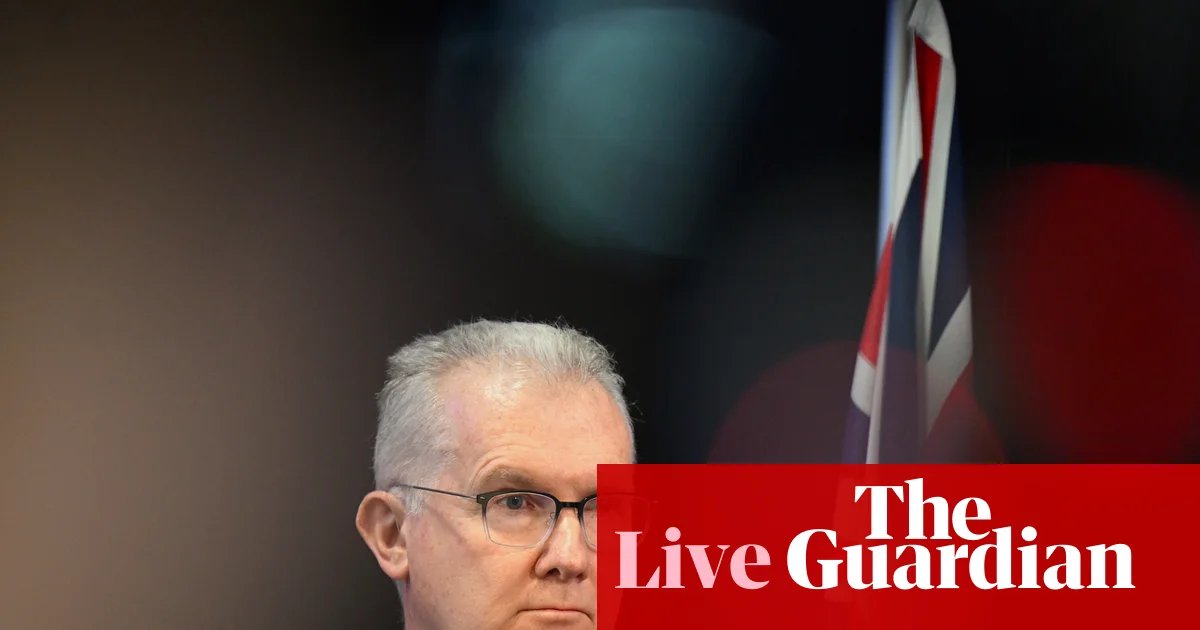
New South Wales Premier Chris Minns expressed his dissatisfaction with the sentencing of the individual convicted of murdering Molly Ticehurst. He stated that the sentence did not adequately reflect the "vicious" nature of the crime. Minns emphasized the need for a justice system that imposes appropriate penalties for such serious offenses.
The comments came during a session where Minns addressed various issues, including funding for sports precincts and the government's approach to crime. He highlighted the importance of ensuring that victims and their families feel supported by the legal system. Minns's remarks reflect a growing concern about the adequacy of sentences for violent crimes in the state.
The murder of Ticehurst, a tragic event that garnered significant media attention, has raised questions about public safety and the effectiveness of current laws. Minns's call for longer sentences aligns with public sentiment that seeks justice for victims of violent crime. He urged the justice system to consider the impact of such crimes on families and communities.
In related news, Tim Wilson, a Liberal MP, commented on government funding patterns, suggesting a "pattern of behavior" in how grants are allocated. He pointed to a recent report alleging that Health Minister Mark Butler's office requested funding for a sports precinct upgrade without proper planning.
Minns's comments about Ticehurst's case and Wilson's remarks about funding practices indicate a broader discussion about accountability in government. The Premier's focus on justice reform highlights the administration's commitment to addressing public concerns about crime and safety.
As the legal system continues to handle cases of violence, Minns's administration faces pressure to ensure that justice is served effectively. The ongoing dialogue around crime and punishment will likely influence future legislative efforts.
Government proposal raises concerns over AI copyright rights
Leaked documents reveal that the Albanese government is considering a proposal that could reverse the copyright rights of Australians regarding their personal images. The proposal, described as an “opt-out model,” would allow artificial intelligence companies to use publicly available images for training purposes unless individuals choose to opt out.
This potential change has raised significant concerns among privacy advocates and individuals who fear that their personal photos could be exploited without consent. The proposal suggests that every family photo shared online, as well as content from small business websites, could be at risk of being used by AI companies.
Critics argue that such a move undermines the fundamental rights of Australians under current copyright law. They emphasize the importance of protecting personal content from unauthorized use, particularly in an era where AI technology is rapidly advancing. The government’s considerations reflect a growing tension between technological innovation and individual rights.
The proposal has not yet been finalized, but it has sparked a debate about the balance between fostering innovation and protecting citizens’ rights. Advocates for privacy rights are calling for more robust protections to ensure that individuals maintain control over their personal data.
As discussions continue, the government faces pressure to clarify its stance on copyright and the implications for AI development. The outcome of this proposal could have lasting effects on how Australians engage with technology and share their personal content online.
Andrew Hastie confronts One Nation in political showdown
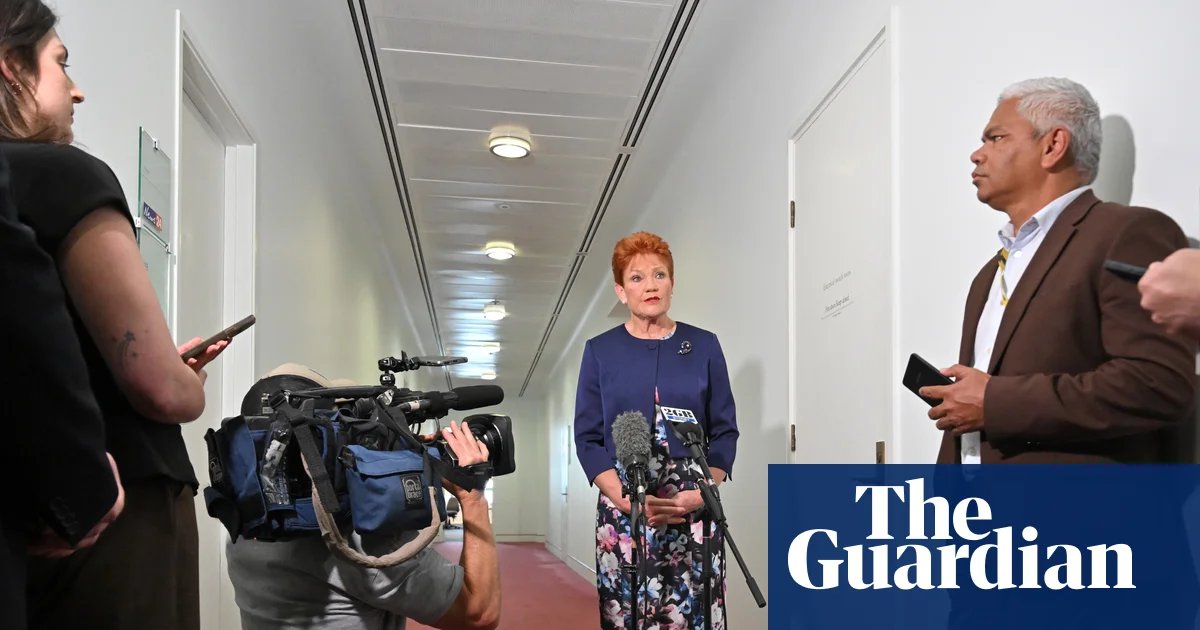
Andrew Hastie, a member of the Liberal Party, has emerged as a key figure in the political struggle against One Nation. His recent clash with Pauline Hanson, who labeled him a "traitor" in a video, has highlighted the divisions within Australia's political right. This confrontation raises questions about Hastie's potential role in revitalizing the Liberal Party's standing.
Hastie's response to Hanson’s remarks has been assertive, positioning himself as a strong alternative to One Nation's influence. The political landscape is shifting, and many are watching to see if Hastie can galvanize support within the Liberal Party and challenge the growing presence of One Nation.
The discussion around this political rivalry also touches on broader themes of loyalty and party identity within Australian politics. Former Prime Minister Tony Abbott has expressed support for Hastie, suggesting that it would be appropriate for One Nation to retract the "traitor" label. This endorsement underscores the significance of Hastie's position as a potential leader in the fight against One Nation.
Political analysts are examining whether Hastie's actions could pave the way for a more unified Liberal response to the challenges posed by One Nation. The implications of this rivalry extend beyond party lines, influencing the dynamics of conservative politics in Australia.
As the situation develops, Hastie's ability to navigate these tensions will be critical. His actions may determine the future trajectory of the Liberal Party and its relationship with voters who are increasingly drawn to alternative political movements.
Tanya Plibersek addresses concerns following violence report
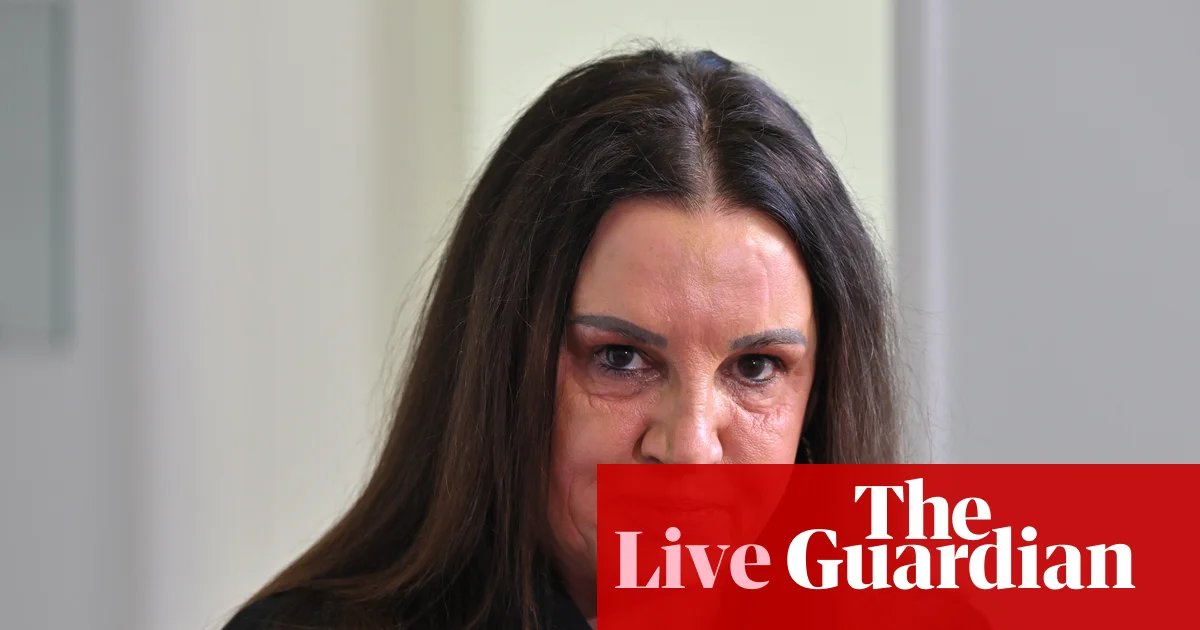
Social Services Minister Tanya Plibersek has responded to alarming statistics revealed in Australia’s latest domestic, family, and sexual violence report. During a recent public address, she shared a letter from a concerned mother of three, who expressed fears about parenting in the current climate of rising violence.
Plibersek highlighted that reports of sexual violence reached their highest levels ever in 2024, with a slight decrease of less than 1% nationally in the previous year. The report indicates a troubling trend, with a 64% increase in sexual violence incidents over the last 15 years. Plibersek emphasized the urgent need for effective measures to address this crisis.
The mother’s letter resonated with many, illustrating the emotional toll that violence has on families and communities. Plibersek's remarks reflect a commitment to tackling these issues through policy reform and increased support for victims. She acknowledged the challenges faced by families and the need for a comprehensive approach to violence prevention.
In light of these findings, the government is expected to implement new strategies aimed at reducing violence and supporting affected individuals. Plibersek's focus on the human impact of the statistics serves as a reminder of the importance of addressing this issue at both the community and legislative levels.
As the government considers its next steps, the call for action against domestic and sexual violence remains a pressing concern for many Australians. The report's findings are likely to influence future discussions around funding and resources dedicated to combatting these issues.
Australia announces measures to address Israeli settler violence
Foreign Affairs Minister Penny Wong has announced that Australia will implement targeted measures to deter illegal settlements and settler violence in Israel. However, the government has decided against following the UK’s lead in imposing a trade ban on goods produced in Israeli settlements in the West Bank.
Wong expressed concerns that a blanket ban could lead to unintended consequences for Australian businesses and affect both Palestinian and Israeli communities. The Australian government's approach aims to balance moral imperatives with practical considerations in the region.
The announcement follows ongoing debates about the impact of Israeli settlements on peace efforts and the rights of Palestinians. Wong's statement reflects a commitment to working with international partners to address these complex issues without resorting to blanket sanctions.
The situation in the West Bank remains tense, and Wong emphasized the need for a nuanced approach to prevent further escalation of violence. The government’s strategy seeks to promote dialogue and cooperation among all parties involved.
As Australia navigates its foreign policy in the Middle East, the implications of these measures will be closely monitored. The decision to avoid a trade ban highlights the challenges of balancing ethical considerations with economic interests.
Parents of murdered Australian surfers attend trial in Mexico
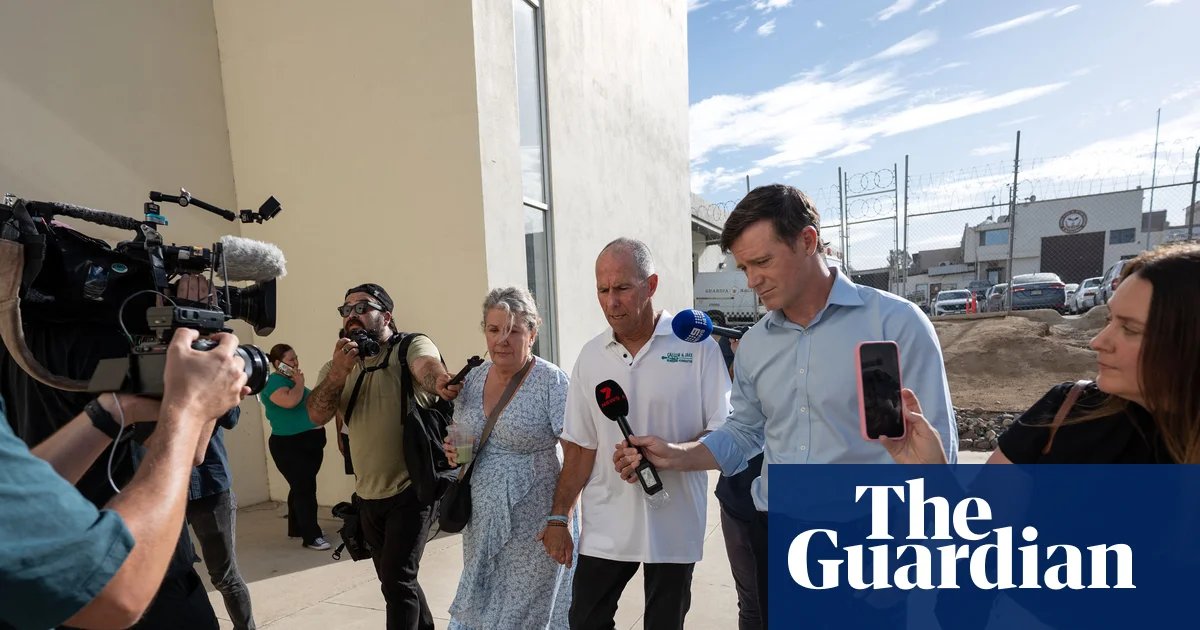
The parents of two Australian brothers, Callum and Jake Robinson, attended the trial of three men accused of their murder in Mexico. Debra and Martin Robinson traveled to Ensenada, Baja California, for the proceedings related to the tragic deaths of their sons and their American friend, Jack Carter Rhoad.
The trial marks a significant moment for the Robinson family as they seek justice for their sons, who were killed in a surfing incident. The case has drawn considerable media attention, highlighting the dangers faced by tourists in certain regions.
During the trial, the accused individuals are expected to face serious charges related to the murders. The Robinsons have expressed their determination to see justice served, emphasizing the impact of the tragedy on their family.
The case has raised awareness about safety concerns for Australians traveling abroad, particularly in areas known for violence. As the trial unfolds, the families involved are hopeful for a resolution that brings accountability for the actions of the accused.
The emotional toll of the situation is evident as the Robinsons navigate the legal proceedings while mourning their loss. The trial represents a crucial step in their quest for answers and justice.
US military presence in Australia raises concerns over sovereignty
Research conducted by the Nautilus Institute has revealed that over half of Australia's military facilities are accessible to the US military and defense corporations. This finding has sparked concerns among analysts about the potential implications for Australia's sovereignty and autonomy in military affairs.
The report suggests that the extensive access granted to US forces could lead to Australia's involvement in conflicts without the consent of its government. Critics have raised alarms about the risks of being drawn into wars due to the close military ties with the United States.
The analysis includes a detailed map of US and Australian military bases across the country, highlighting key locations such as Pine Gap in the Northern Territory. This base, established by the CIA in 1966, serves as a joint satellite communications and intelligence surveillance facility.
The research raises critical questions about the future of Australia's defense policy and its implications for national security. As the US military presence expands, many are calling for a reassessment of the agreements that govern these relationships.
The ongoing debate about military collaboration with the US reflects broader concerns about independence and decision-making in Australia’s foreign policy. The findings may prompt discussions about the need for greater transparency and accountability in military partnerships.
As the situation evolves, the implications of the US presence in Australia will continue to be a topic of significant public interest and scrutiny.
Photo provided by : The Guardian
@hoju-korean.com Newsroom






![[Summary News] NSW ICAC Investigates Fugitive Developer's Bu…](https://hoju-korean.com/data/aus_news/20260916_210124_39b5453f.jpg)
![[Summary News] Sydney Council Bans Smart Glasses Amid Concer…](https://hoju-korean.com/data/aus_news/20260915_210053_cf73a0b6.jpg)



![[Summary News] Sydney Theatre Company Announces 2027 Program…](https://hoju-korean.com/data/aus_news/20260914_210101_b755a18a.jpg)







댓글목록0