














Albanese government considers ban on smart glasses in public offices
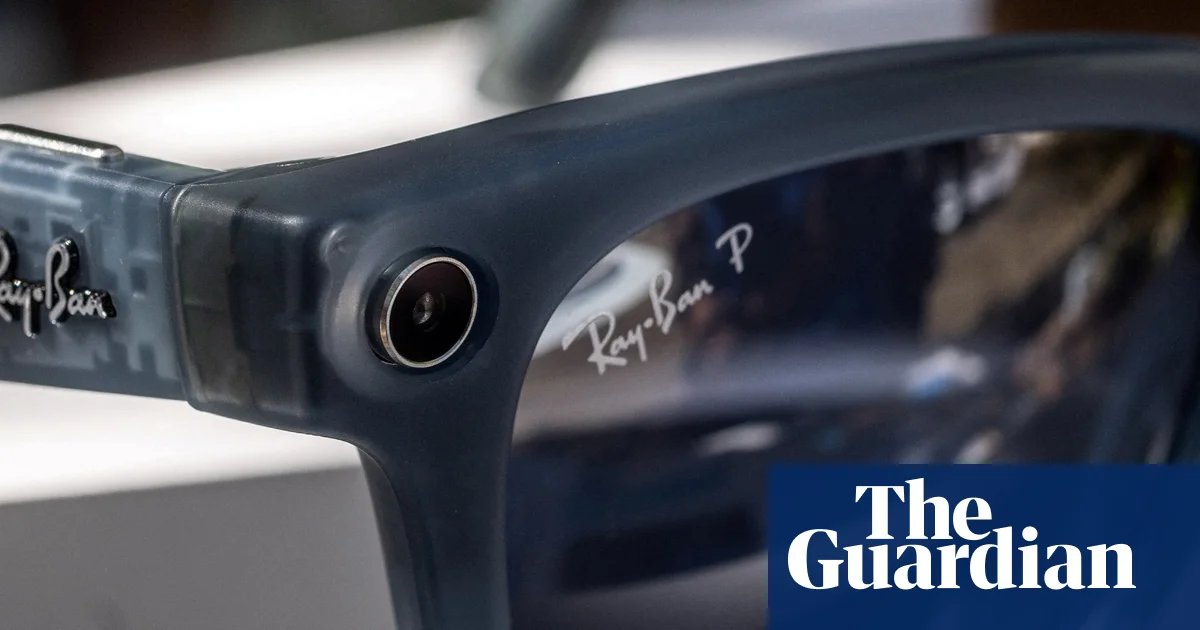
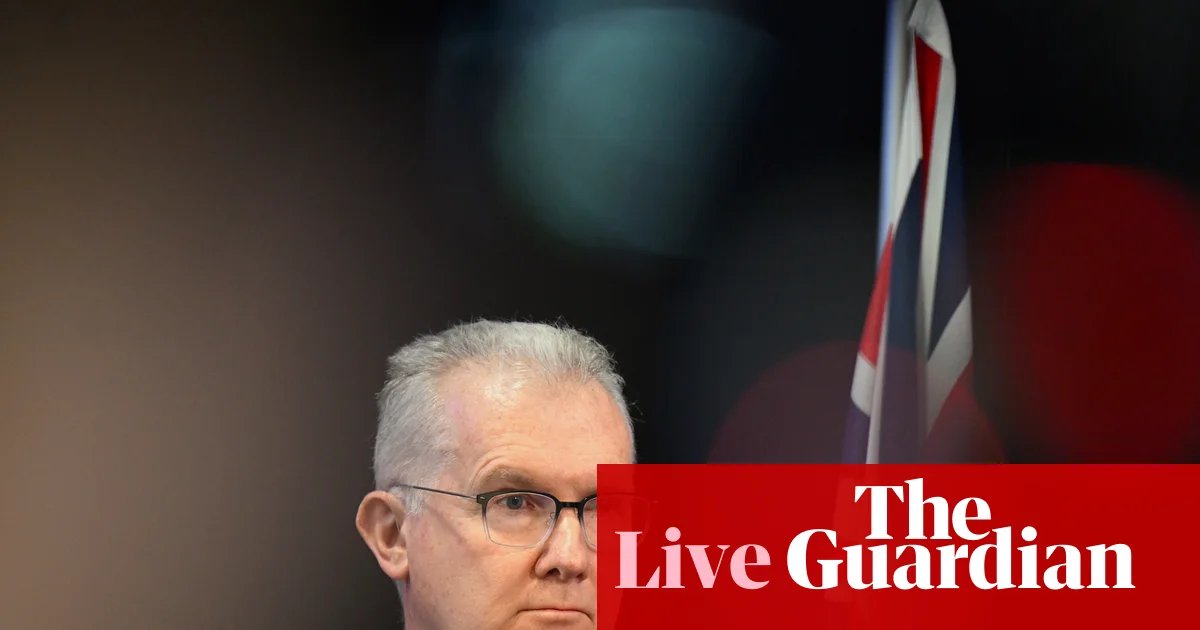
The Albanese government is contemplating a ban on smart glasses in public offices and service centers across Australia. Minister for Public Service, Katy Gallagher, stated that the devices raise “legitimate privacy and security concerns” in workplaces operated by the Commonwealth. This potential ban comes as various councils around Australia have already started to exclude the technology from public areas due to similar privacy fears.
The government has not proposed a sweeping ban on the importation of smart glasses. Instead, it is encouraging individual workplaces to establish their own regulations regarding the use of such devices. Gallagher emphasized that the government is taking these privacy concerns seriously and is looking into measures that would protect the privacy of individuals in public settings.
The discussion around the ban reflects broader concerns about surveillance technology and its implications for privacy rights. The move has garnered attention from privacy advocates, who argue that the use of smart glasses could lead to unauthorized recording and monitoring of individuals in public spaces.
As the government evaluates its options, it aims to balance the benefits of technological advancements with the need for privacy protections. The proposed ban could position Australia as a leader in establishing guidelines for the use of emerging technologies in public life.
In the coming weeks, the government is expected to release further details on its stance regarding smart glasses and any potential regulations that may be implemented.
Plibersek addresses mother's fears after domestic violence report
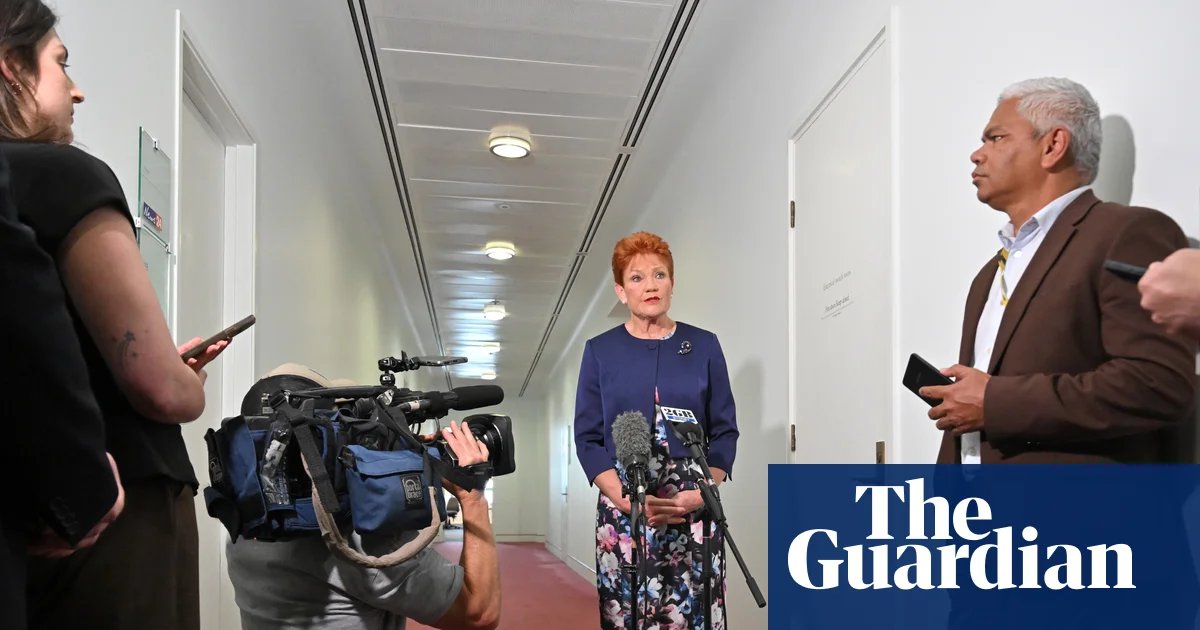
Social Services Minister Tanya Plibersek has responded to a letter from a concerned mother of three regarding the alarming findings of Australia's latest domestic, family, and sexual violence report. The mother expressed her fears about raising children in an environment where such violence is prevalent, describing her experience as akin to "standing at the edge of a field watching something unfold."
The report revealed that reports of sexual violence reached their highest level ever in 2024, with only a slight decrease of less than 1% nationally last year. Over a 15-year period, there has been a staggering 64% increase in reports of sexual violence across Australia. Plibersek highlighted the urgency of addressing these issues, stating that the government must take action to protect families and ensure safety in communities.
In her remarks, Plibersek emphasized the need for comprehensive strategies to combat domestic violence and support victims. She acknowledged the challenges faced by parents today and reinforced the government's commitment to improving safety for families.
The report's findings have sparked discussions about the effectiveness of current measures in place to address domestic violence. Plibersek's response aims to reassure concerned citizens that the government is actively working to enhance support systems for those affected by violence.
Australia to implement measures against Israeli settler violence
Foreign Affairs Minister Penny Wong announced that Australia will introduce "targeted measures" to deter illegal settlements and settler violence in Israel. Wong's statement clarified that Australia will not follow the United Kingdom in imposing a trade ban on goods produced in Israeli settlements in the West Bank.
Wong expressed concerns that a blanket ban could have unintended consequences for Australian businesses, Palestinians, and Israelis alike. She emphasized the importance of working with international partners to address the issues surrounding illegal settlements and violence. Wong's approach aims to balance the need for action against illegal settlements while avoiding potential negative impacts on diplomatic relations and trade.
The Australian government’s decision reflects its commitment to engaging in constructive dialogue and finding solutions to the ongoing conflict. Wong highlighted the significance of international cooperation in addressing complex geopolitical issues.
The announcement has drawn mixed reactions from various advocacy groups and political parties, with some calling for stronger measures against Israeli settlements. Wong’s comments indicate that the government is seeking a measured response to a sensitive and multifaceted situation.
Parents of Australian brothers attend murder trial in Mexico
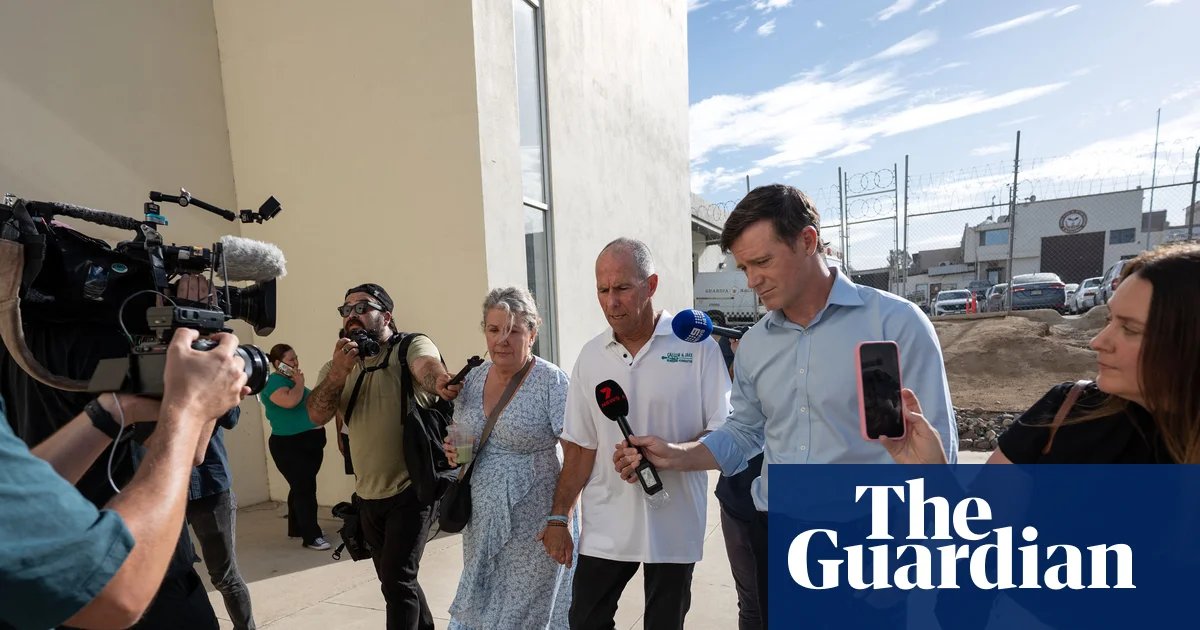
Debra and Martin Robinson, the parents of two Australian surfers killed in Mexico, attended the start of the murder trial for three men accused of their sons' deaths. The couple traveled to Ensenada, Baja California, for the proceedings concerning the murders of Callum and Jake Robinson, as well as their American friend, Jack Carter Rhoads.
The trial marks a significant moment for the Robinson family as they seek justice for their sons, who were tragically killed while on a surfing trip. The accused men face serious charges related to the deaths, and the trial is expected to shed light on the circumstances surrounding the incident.
Debra and Martin Robinson have been vocal about their grief and the impact of the loss on their family. They expressed their determination to see the trial through to ensure accountability for those responsible.
The trial highlights the broader issues of safety for tourists in foreign countries and the need for justice in cases of violent crime. The Robinson family's presence in the courtroom underscores their commitment to seeking answers and closure in the wake of their tragic loss.
US military presence in Australia raises concerns
Research by the Nautilus Institute has revealed that over half of Australia's military facilities are accessible to the US military or US defense corporations. This situation has sparked concerns among analysts, who describe it as a potential "colonization" of Australia's military by the United States.
The findings raise questions about the implications of such a strong US military presence in Australia, particularly regarding the possibility of being drawn into conflicts without the consent of the Australian public. The report highlights the strategic importance of locations like Pine Gap in the Northern Territory, which serves as a joint Australian-US satellite communications and signals intelligence base established by the CIA in 1966.
As discussions continue regarding the US-Australia military relationship, many are asking whether this partnership could lead Australia into unwanted military engagements. The research emphasizes the need for transparency and public discourse on the extent of foreign military influence within Australia.
The mapping of US and Australian military bases across the country underscores the complexities of national security and defense policies. Analysts are calling for a reevaluation of the implications of foreign military access to Australian facilities and the potential consequences for Australia’s sovereignty.
Photo provided by : The Guardian
@hoju-korean.com Newsroom





![[Summary News] Australia Announces New Migration Plan, Outba…](https://hoju-korean.com/data/aus_news/20260917_210102_c01ade17.jpg)

![[Summary News] NSW ICAC Investigates Fugitive Developer's Bu…](https://hoju-korean.com/data/aus_news/20260916_210124_39b5453f.jpg)

![[Summary News] Sydney Council Bans Smart Glasses Amid Concer…](https://hoju-korean.com/data/aus_news/20260915_210053_cf73a0b6.jpg)





댓글목록0