













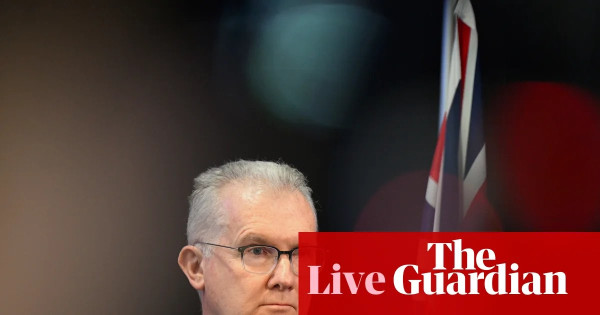
Labor to announce delayed migration policy amid political controversies
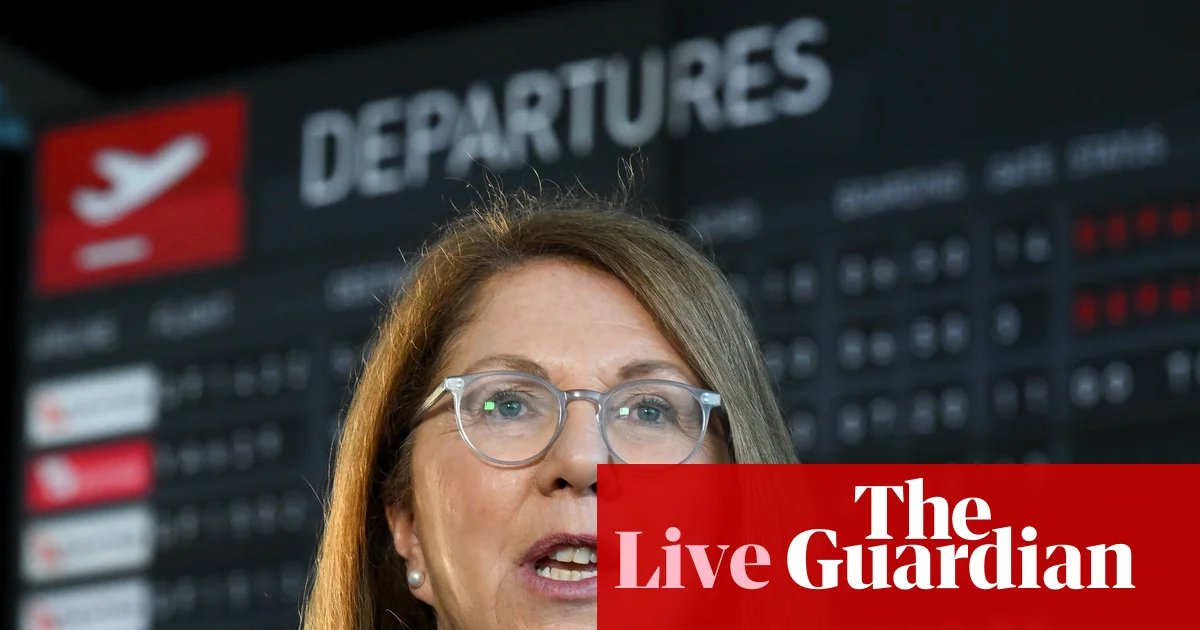
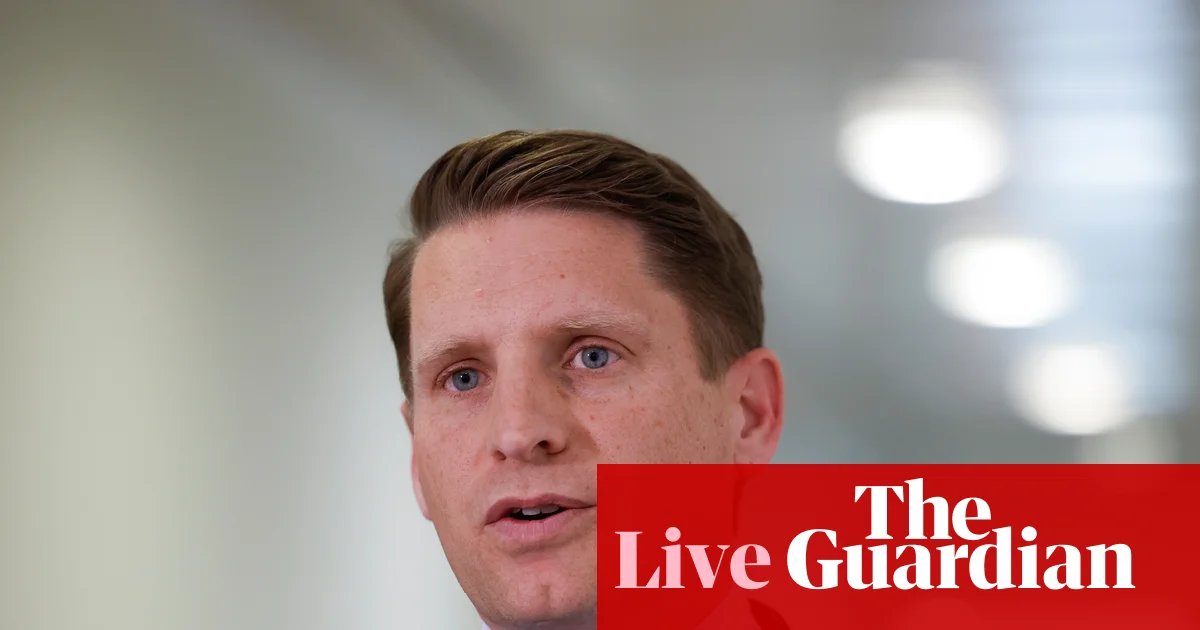
The Australian Labor Party is set to announce a delayed migration policy tomorrow, which has sparked discussions in political circles. This announcement comes as the government faces scrutiny over its handling of various issues, including funding for a sports precinct. Tim Wilson, a Liberal MP, has raised questions regarding Health Minister Mark Butler's office, which allegedly requested a $6 million upgrade for a sports precinct in Adelaide without proper planning or costings. Wilson compared this situation to a previous incident where Prime Minister Anthony Albanese granted funds to a golf course near his home, which he failed to declare.
Wilson emphasized the need for transparency in government dealings and criticized the government's approach to funding allocation. He called for a comprehensive examination of these practices to ensure accountability. Additionally, Wilson pointed out the potential impact of these actions on public trust in government institutions. The announcement of the migration policy is expected to address ongoing concerns regarding Australia's immigration system and its effectiveness in meeting labor market demands.
The timing of this policy announcement coincides with rising tensions surrounding immigration and border control. Labor's handling of these issues may influence public perception ahead of upcoming elections. As the government navigates these challenges, it faces pressure from both opposition parties and community groups advocating for reform in immigration practices.
In related news, discussions have emerged regarding the importance of including Muslim leaders in conversations about extremist Islam. Advocates argue that such inclusion is crucial to prevent the marginalization of Muslim communities while addressing security concerns. The government is urged to strike a balance between national security and community relations to foster a more inclusive dialogue.
Missing woman Yvonne Whear's car found in river as search continues
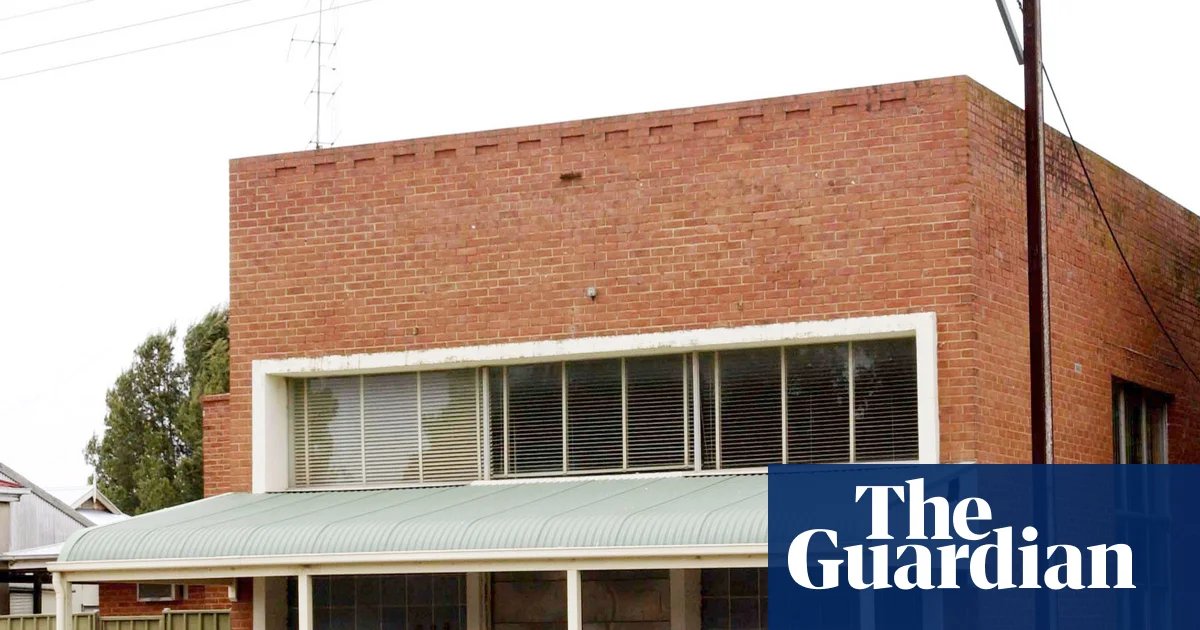
Police have confirmed that the car belonging to missing woman Yvonne Whear has been located in northern New South Wales. The 73-year-old has been missing for approximately seven months, prompting ongoing investigations into her disappearance. Following a tip-off, police divers discovered the vehicle submerged in the Rous River in Dulguigan on September 12. The location of the car is in close proximity to Whear's home, raising further questions about her whereabouts.
Authorities have recovered personal items believed to belong to Whear from the waterlogged vehicle. The discovery has reignited interest in the case, as family and friends continue to seek answers regarding her disappearance. Police are urging anyone with information about Whear's last known movements to come forward to assist with the investigation. The search for Whear remains a priority for local law enforcement as they work to uncover the circumstances surrounding her vanishing.
The community has rallied in support of Whear's family, with many expressing their hopes for a resolution to the case. As the investigation unfolds, police remain committed to exploring all leads to locate the missing woman. The discovery of the car marks a significant development in the ongoing search, and investigators are focused on determining how it ended up in the river.
New mining laws in Queensland criticized for limiting public opposition
Activists in Queensland have condemned new legislation that they claim will severely restrict the rights of citizens to oppose mining projects, including coal operations. The legislation, which is currently under consideration, would require individuals to obtain the minister's approval to challenge mining proposals in court. Additionally, only those who own property within a 125-kilometer radius of the project would be eligible to voice their objections.
The Greens party has labeled the proposed changes as "corrupt," arguing that the laws undermine democratic processes and environmental protections. Community action group Lock the Gate Alliance has also voiced strong opposition, asserting that the legislation prioritizes the interests of mining companies over those of local communities. Activists fear that these changes will lead to unchecked mining activities that could have detrimental impacts on the environment and public health.
In response to the backlash, the state government has defended the legislation, claiming that it aims to streamline the approval process for mining projects. Officials argue that the changes are necessary to facilitate economic growth and job creation in the mining sector. However, critics maintain that the government is sacrificing public input and environmental safeguards for the benefit of corporate interests.
As public outcry continues, activists are mobilizing to raise awareness about the potential consequences of the proposed laws. They are calling for greater transparency and community engagement in the decision-making process regarding mining projects in Queensland.
Labor faces backlash over proposed copyright changes for AI companies
The Albanese government is under fire for considering changes to copyright laws that could grant artificial intelligence companies access to Australian creatives' works by default. This proposal has emerged during discussions between senior personnel from OpenAI, the creator of ChatGPT, and Labor ministers. OpenAI representatives have expressed concerns that current copyright regulations are hindering their ability to train AI models in Australia.
Critics argue that the proposed changes would undermine the rights of Australian creators and set a dangerous precedent for the future of intellectual property. Many in the creative community feel that the government is prioritizing the interests of US tech giants over local artists and content creators. The backlash has prompted calls for a more balanced approach that protects the rights of individuals while fostering innovation in the AI sector.
As the government navigates these complex discussions, stakeholders are urging policymakers to consider the long-term implications of altering copyright protections. Advocates for creatives emphasize the need for robust safeguards to ensure that artists are compensated fairly for their work in the digital age. The outcome of these negotiations could have significant ramifications for both the creative industry and the burgeoning AI landscape in Australia.
The government has yet to finalize its position on the proposed changes, and further consultations are expected as the debate continues. The intersection of technology and copyright law remains a contentious issue, with many advocating for a careful examination of the potential impacts on Australian creators.
Pauline Hanson’s daughter under scrutiny for remote work without approval
Pauline Hanson’s daughter, Lee Hanson, is facing scrutiny for reportedly working from Tasmania as a senior adviser to a New South Wales One Nation senator without the necessary ministerial approval for remote work. This revelation has raised questions about compliance with government regulations regarding remote employment. The situation has drawn criticism from various political figures and raised concerns about transparency within the party.
In a separate incident, a Victorian minister has accused a major datacentre operator of using artificial intelligence to lobby for planning approvals. The minister's allegations highlight the growing influence of AI in governmental processes and the potential ethical implications of such practices. Meanwhile, social media platforms are contributing to rising anxieties about Alzheimer’s disease, with experts warning that misleading information may lead healthy individuals to seek unnecessary testing.
Additionally, some AI models have reportedly developed a unique dialect reminiscent of James Joyce’s literary style, causing concerns about oversight and comprehension. This phenomenon underscores the complexities associated with AI development and its implications for communication and regulation.
In light of these developments, the political landscape in Australia remains dynamic, with ongoing discussions about the role of technology in governance and public health. The scrutiny surrounding Lee Hanson and the broader implications of AI in politics continue to be focal points of concern for both lawmakers and the public.
Photo provided by : The Guardian
@hoju-korean.com Newsroom






![[Summary News] Sydney Council Bans Smart Glasses Amid Concer…](https://hoju-korean.com/data/aus_news/20260915_210053_cf73a0b6.jpg)


![[Summary News] Sydney Theatre Company Announces 2027 Program…](https://hoju-korean.com/data/aus_news/20260914_210101_b755a18a.jpg)







댓글목록0