














South Australian Premier Optimistic About Steel Industry Despite Blast Furnace Closure
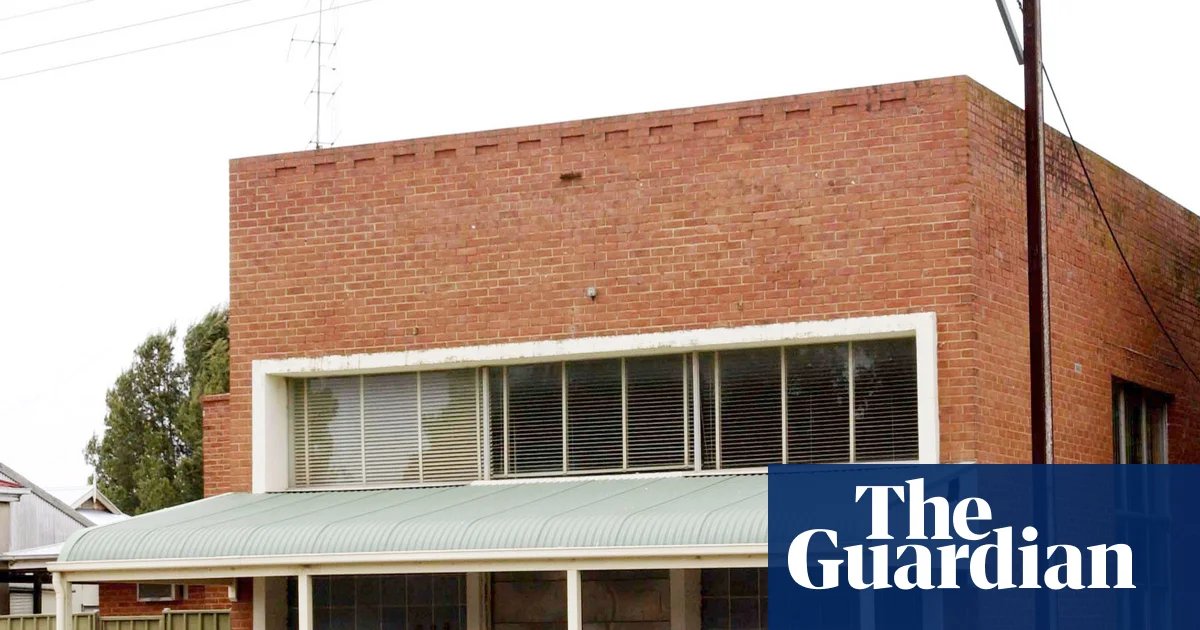
South Australian Premier Peter Malinauskas expressed optimism for the future of steel making in the state following the announcement of a blast furnace closure in Whyalla. Speaking to ABC News Breakfast, Malinauskas described the news as both disappointing and inevitable. He noted that the blast furnace, built in 1965, has not been recapitalised for 20 years, leading to its decline. The Premier emphasized that the facility still has the potential to operate viably if it receives the necessary investment. He stated, "If we lose this capacity behind me, this country doesn’t have structural steel-making capacity and we can’t afford that."
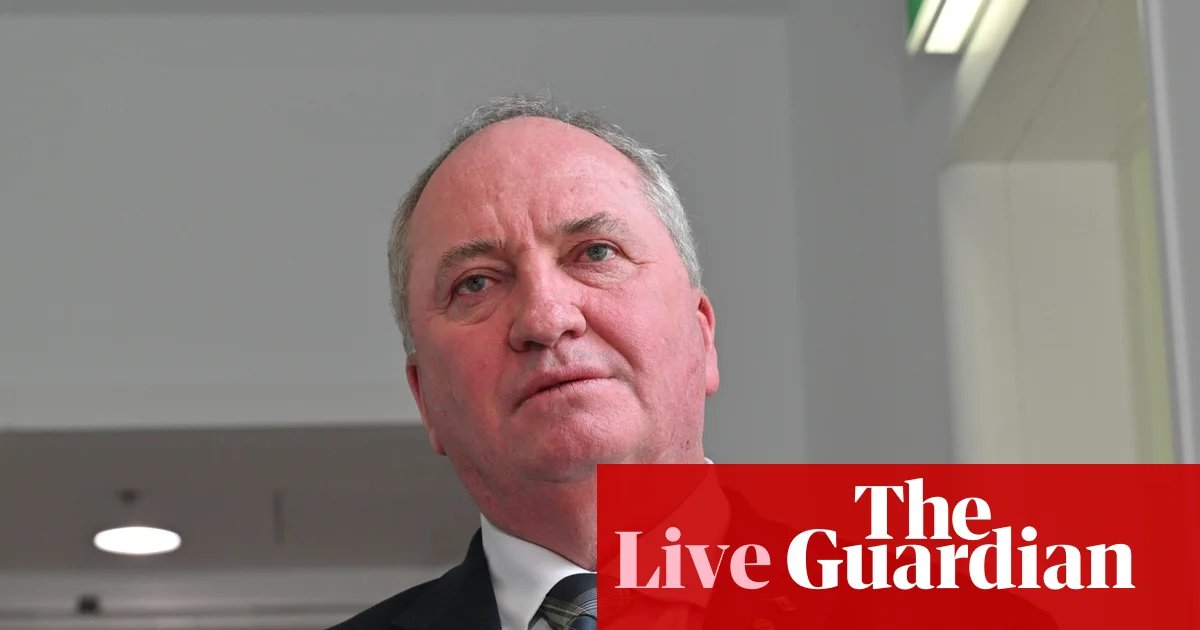
Malinauskas criticized comments made by Pauline Hanson regarding the state of Australian politics, suggesting they could further divide the nation. He asserted that while there are serious issues needing discussion, it is essential not to detract from the positive aspects of the country. The Premier also highlighted the need for a collaborative effort with the federal government to recapitalize the steel plant. He described the current situation as a "miracle" that the old furnace has operated for so long. Malinauskas called for a focus on solutions rather than engaging in divisive rhetoric.
He reiterated the importance of maintaining local steel production to support Australia’s infrastructure needs. The Premier's remarks come amidst broader discussions about the future of manufacturing in Australia and the necessity for investment in aging facilities. He acknowledged the heartbreak felt by the community in Whyalla but urged for a forward-looking approach. Malinauskas concluded by emphasizing the need for unity in addressing the challenges facing the industry and the country as a whole.
Intruder Flees After Breaking into RAAF Base in Darwin and Assaulting Member
An intruder remains at large after allegedly breaking into the Royal Australian Air Force (RAAF) base in Darwin and assaulting a defence force member. The incident occurred on Monday afternoon at the base located in the suburb of Winnellie. Northern Territory police reported that the individual unlawfully gained access to the facility. Following the assault, the intruder fled the scene in a stolen vehicle.
Defence officials confirmed the breach and the assault in a statement, detailing the security concerns raised by the incident. Authorities are actively searching for the suspect, who has not yet been apprehended. The RAAF base is a critical installation, and such breaches raise significant concerns regarding the safety and security of military personnel and infrastructure.
Police have urged anyone with information regarding the incident or the whereabouts of the suspect to come forward. The investigation is ongoing, and law enforcement is working diligently to ensure the safety of the base and its personnel. The seriousness of the assault has prompted heightened security measures at the facility.
This incident adds to the ongoing dialogue about security protocols at military installations across Australia. The RAAF and local authorities are reviewing their security measures to prevent future breaches. There is a growing public interest in how such incidents are handled and the implications for national security.
Research Highlights US Military's Growing Presence in Australia
A study by the Nautilus Institute has revealed significant insights into the relationship between the United States military and Australia, suggesting a form of 'colonisation' of Australia's military infrastructure. The research indicates that more than half of the military facilities in Australia have access by either the US military or US defence corporations. This has raised concerns among analysts about the potential implications for Australia’s sovereignty and involvement in international conflicts.
The report includes a detailed map showing the locations of US and Australian military bases across the country, highlighting key sites such as Pine Gap in the Northern Territory. Pine Gap is known for its joint Australian-US satellite communications and signals intelligence operations, established in 1966. The presence of the US military at these facilities has led to questions about whether Australia could be drawn into conflicts without its consent.
Analysts are cautioning that the extensive access granted to US forces may inadvertently compromise Australia’s autonomy in military decision-making. The findings have sparked a debate about the balance between national security and foreign influence in Australia’s military affairs. As geopolitical tensions rise globally, the role of the US military presence in Australia is increasingly scrutinized.
The study calls for a reassessment of the agreements and arrangements between the US and Australian governments regarding military cooperation. It emphasizes the need for transparency and public discourse on the implications of this military partnership. This research contributes to ongoing discussions about Australia's defence strategy and its position in the Asia-Pacific region.
Leaked Footage Reveals NSW Police Officer Boasting About Assaulting Protester
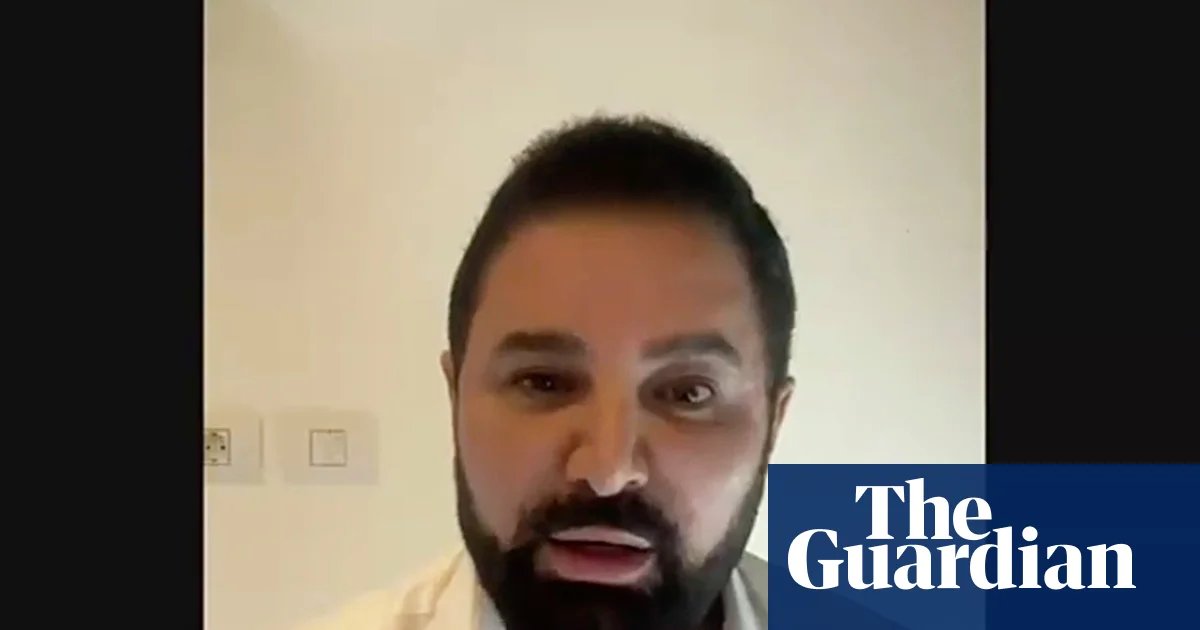
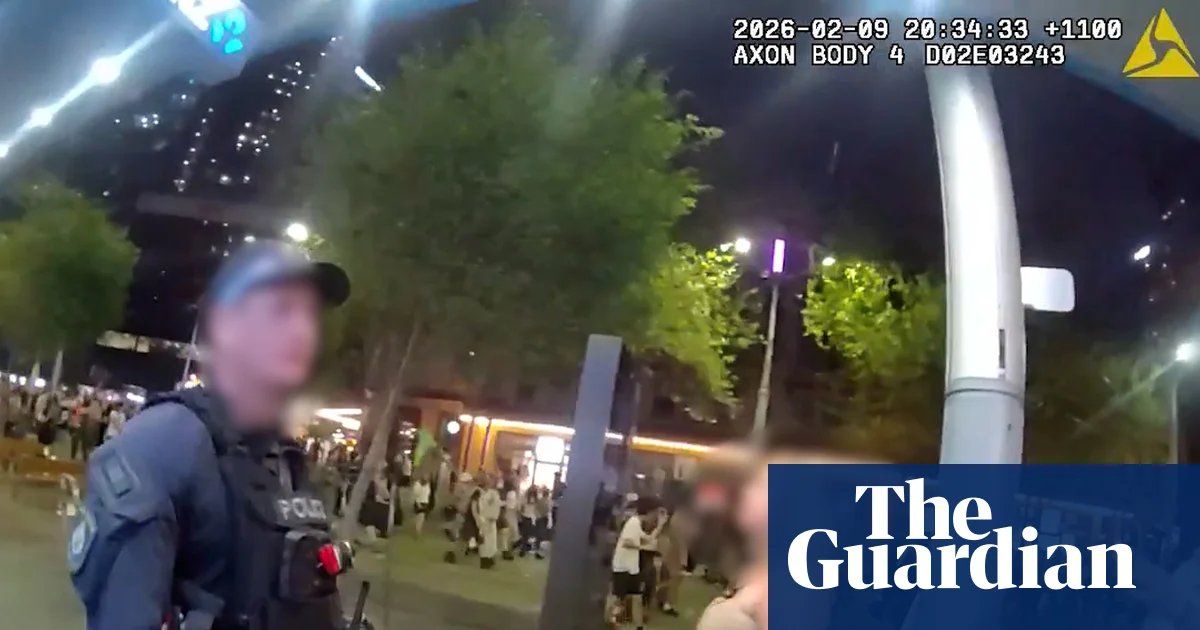
Leaked body-worn camera footage has surfaced, showing a male police officer from New South Wales boasting about physically assaulting a protester during a demonstration in Sydney. The incident occurred on February 9 at a protest against Israeli President Isaac Herzog’s visit to Australia. In the footage, the officer can be heard saying, "I fucking pumped that cunt," referring to the protester he allegedly punched.
A female officer present during the exchange responds with laughter, stating, "So funny," before the male officer adds, "Then I punched him in the head when he was down." The release of this footage has raised serious concerns regarding police conduct and accountability during public demonstrations.
Community leaders and activists have expressed outrage over the officer's comments, calling for an investigation into the incident and the conduct of the police during protests. The incident has sparked a broader conversation about police violence and the treatment of protesters in Australia.
The NSW Police Force has not yet issued a formal response to the leaked footage, but the incident is expected to be reviewed internally. Advocacy groups are demanding transparency and accountability from law enforcement agencies. The footage has added fuel to ongoing debates about the appropriate use of force by police during protests and the rights of individuals to peacefully assemble.
Calls for reform in policing practices have intensified in light of this incident, with many advocating for better training and oversight of police conduct. As public scrutiny of police actions continues, the implications of this incident may lead to changes in policy and practice within the NSW Police Force.
Photo provided by : The Guardian
@hoju-korean.com Newsroom









![[Summary News] Sydney Theatre Company Announces 2027 Program…](https://hoju-korean.com/data/aus_news/20260914_210101_b755a18a.jpg)



![[Summary News] NSW Police Officer Caught on Video Boasting A…](https://hoju-korean.com/data/aus_news/20260913_210103_f1a127c5.jpg)







댓글목록0