













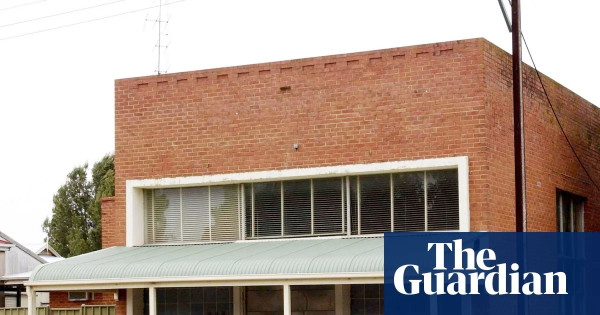
Youngest Snowtown murderer to walk free from jail after 26-year sentence as parole upheld
James Vlassakis, who was 18 years old at the time of his involvement in the Snowtown killings, is set to be released from prison after serving a 26-year sentence. He had pleaded guilty to four of the 11 murders associated with the notorious case that shocked Australia. The South Australia Parole Board's decision to release him was upheld by the state’s court of appeal on Tuesday. Vlassakis's release comes after he has spent more than two decades behind bars. The Snowtown murders, which occurred in the late 1990s, involved the discovery of bodies in barrels in a disused bank vault. Vlassakis was convicted as a teenager and has since expressed remorse for his actions. The court's ruling has sparked discussions about the nature of justice and rehabilitation for young offenders. Vlassakis's case raises questions about the effectiveness of the justice system in handling youth involved in serious crimes. His release is scheduled to take place shortly, and he will be subject to parole conditions. Victims' families have expressed mixed feelings about the decision, citing ongoing trauma from the events. The Snowtown case remains one of Australia’s most infamous criminal stories, highlighting issues surrounding mental health and criminal responsibility among young offenders.
South Australian Premier Discusses Future of Steelmaking After Blast Furnace Closure
South Australian Premier Peter Malinauskas expressed optimism regarding the future of steelmaking in the state following the announcement of the closure of a major blast furnace in Whyalla. Speaking on ABC News Breakfast, Malinauskas acknowledged the disappointment and heartbreak felt by the community but emphasized the need for recapitalization of the aging facility. The blast furnace, built in 1965, has not undergone necessary realignments in over 20 years. Malinauskas noted that the continued operation of the furnace is a miracle given its age and condition. He highlighted the importance of maintaining steel-making capacity in Australia, stating that losing it would be detrimental to the country’s industrial capabilities. The Premier outlined plans to work with the federal government to secure funding for the plant's recapitalization. He criticized political figures, including Pauline Hanson, for divisive rhetoric that he believes distracts from pressing issues facing the country. Malinauskas emphasized the need for constructive dialogue to address serious concerns, including the economic implications of the furnace closure. The future of steel production in Whyalla remains uncertain, with local workers and families anxiously awaiting developments.
Australia’s Aging Technology Faces Threat from Potential AI Hacking Attacks
Abigail Bradshaw, a leading figure in one of Australia's top intelligence agencies, has warned that the country’s outdated technology is vulnerable to hacking attacks, particularly from artificial intelligence (AI). She stated that significant investment is required to update systems that people now expect to be constantly available. As the government negotiates regulations surrounding the rapid development of AI, concerns are growing about the potential for AI-powered attacks to exploit weaknesses in existing infrastructure. Bradshaw's comments come amid increasing scrutiny of technology security in Australia. The chief of Anthropic, a company that develops AI systems, has also called for a slowdown in AI development, echoing concerns from other industry leaders, including those at OpenAI. The rapid proliferation of AI technologies raises alarms about the potential for misuse and the challenges of safeguarding sensitive information. Australian officials are currently working to establish guidelines that balance innovation with security. As cyber threats evolve, the need for robust defenses against AI-driven attacks becomes more critical. Bradshaw's warnings highlight the urgency of addressing these vulnerabilities before they can be exploited.
Lessons from Europe’s Summer Heatwave for Australia’s Climate Strategy
Nick Rowley emphasizes the urgent need for Australia to learn from the recent extreme heat events in Europe, which resulted in significant loss of life. Between 2000 and 2018, extreme heat caused more deaths in Australia than all bushfires, floods, storms, and cyclones combined. Reflecting on his experiences advising the British prime minister on climate change, Rowley recalls the devastating 2003 heatwave in Europe, which claimed approximately 70,000 lives. He notes that many of the victims were elderly individuals in environments unprepared for prolonged heat. Rowley draws parallels between Europe’s challenges and Australia’s current climate situation, highlighting the importance of preparedness. He describes a recent experience walking through Bordeaux in extreme heat and how quickly such conditions can alter daily life. The ability to work, sleep, and remain safe in extreme temperatures is a growing concern. Rowley argues that proactive measures are essential to mitigate the impacts of climate change and protect vulnerable populations. He calls for comprehensive strategies to address heat-related risks and improve resilience against future climate extremes.
Concerns Rise Over US Military Presence in Australia
Research conducted by the Nautilus Institute reveals that over half of Australia’s military facilities are accessible to the US military or US defense corporations, leading to concerns about the implications for national sovereignty. Analysts have described this situation as a form of "colonization" of Australia’s military by the United States. The study highlights the extent of US involvement in Australian military operations, including access to key bases such as Pine Gap in the Northern Territory. Pine Gap is known for its role in satellite communications and signals intelligence, established by the CIA in 1966. Critics argue that this level of access could potentially drag Australia into conflicts without its consent. The increasing integration of US and Australian military operations raises questions about the future of Australia's defense strategy. As geopolitical tensions escalate, the implications of such a close military relationship are under scrutiny. The research calls for a reassessment of the terms of the US-Australia military alliance to ensure that Australia's interests are prioritized. Concerns about national independence and military autonomy are central to ongoing debates about defense policy in Australia.
Photo provided by : The Guardian
@hoju-korean.com Editorial Team









![[Summary News] Sydney Theatre Company Announces 2027 Program…](https://hoju-korean.com/data/aus_news/20260914_210101_b755a18a.jpg)





![[Summary News] NSW Police Officer Caught on Video Boasting A…](https://hoju-korean.com/data/aus_news/20260913_210103_f1a127c5.jpg)





댓글목록0