












Guinea's Presidential Election
Mamady Doumbouya, who led a coup in 2021, has been declared president of Guinea after securing 86.72% of the vote in the recent election. The electoral commission reported a turnout of 80.95%, but opposition figures have questioned the legitimacy of the results, claiming that many citizens boycotted the election. Doumbouya's decision to run contradicted his earlier promise to restore civilian rule by the end of 2024. Critics, including barred opposition leader Cellou Dalein Diallo, have cited serious irregularities during the election process.
Brazil's Political Landscape
In Brazil, President Lula has vetoed a congressional bill that would have reduced Bolsonaro's prison sentence from 27 years to just over two. Bolsonaro was convicted of attempting to undermine democracy following his defeat in the 2022 elections. Lula emphasized the importance of upholding democratic values in his announcement, which coincided with the anniversary of riots by Bolsonaro supporters in January 2023. While Lula's veto is a significant move, Congress retains the power to overturn it.
Shadow Fleet and Sanctioned Oil
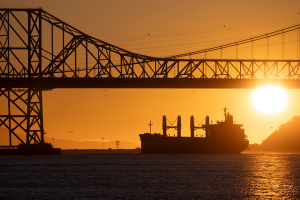
A recent analysis has revealed an increase in the number of ships associated with a "shadow fleet" reflagging to Russia to evade sanctions related to oil shipments from Venezuela and other countries. At least 17 vessels have joined the Russian registry in the past month, following heightened scrutiny from the U.S. government. This trend is linked to efforts by the Biden administration to enforce a blockade on sanctioned oil tankers, prompting these vessels to seek protection under Russian flags. The shadow fleet is estimated to transport a significant volume of oil, raising concerns about its impact on global markets.
U.S. Protests Against Venezuela Policies
Jessica Plichta, a protester in Grand Rapids, Michigan, was arrested after speaking out against U.S. policies towards Venezuela during a live interview. Plichta, who had recently visited Caracas, believes her arrest was politically motivated, as she was the only one detained among hundreds of protesters. Activists have criticized local law enforcement for suppressing dissent and have called for greater accountability regarding police actions during protests. The protests are part of a broader movement against perceived injustices stemming from U.S. foreign policy.
Chen Zhi's Extradition
Chinese businessman Chen Zhi has been extradited from Cambodia to China, where he faces allegations of leading a transnational fraud and gambling operation. The Cambodian government announced the liquidation of Prince Bank, which Chen founded, amid ongoing investigations into his activities. The U.S. has indicted Chen for wire fraud and money laundering, linking his operations to a global scam network. His extradition marks a significant step in international efforts to combat organized crime across borders.
Wrap-up
These developments across Guinea, Brazil, the United States, and China illustrate the complexities of global politics, where elections, legal battles, and grassroots movements intersect. As nations grapple with internal and external pressures, the outcomes of these events will likely shape international relations in the coming years.
Sources
theguardian.com
newsis.com
@hoju-korean.com Editorial Team
















댓글목록0