













Guinea's Election Results
Mamady Doumbouya, the head of Guinea's junta, has been elected president, securing 86.72% of the vote in a recent election. This follows a controversial campaign where key opposition figures were barred from participating, leading to a boycott by many voters. Doumbouya's election comes after he initially pledged not to run, aiming to restore civilian rule by 2024. However, his decision to stand raises questions about the future of democracy in the mineral-rich nation, where civil liberties have been curtailed since he took power in a coup in 2021. The turnout for the election was reported at 80.95%, but opposition groups have challenged the legitimacy of the results, claiming widespread irregularities.
Tensions in Yemen
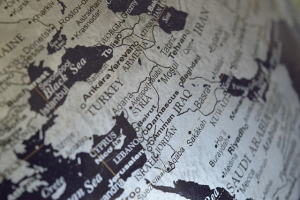
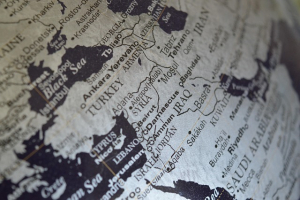
In Yemen, escalating tensions between Saudi Arabia and the United Arab Emirates (UAE) threaten to ignite a civil conflict. The two nations are at odds over the future of southern Yemen, where the UAE supports the separatist Southern Transitional Council (STC). Recent actions by the STC have raised alarms in Riyadh, which views the UAE's maneuvers as a direct threat to its national security. Saudi Arabia has responded with military actions, including airstrikes on vehicles associated with the STC. This conflict not only risks destabilizing Yemen further but could also have repercussions in other regional disputes where the two Gulf states have historically backed opposing factions.
Venezuela's Oil Prospects
In Venezuela, the political situation has taken a dramatic turn following the capture of President Nicolás Maduro by US special forces. This event has sparked discussions about a potential revival of Venezuela's oil industry, which is believed to hold the world's largest reserves. Former President Donald Trump has claimed that US oil companies will soon return to Venezuela to rebuild its oil infrastructure, although analysts remain skeptical about the feasibility of such a rapid recovery amid ongoing political instability. The US plans to seize Venezuelan oil reserves, which could disrupt existing export relationships, particularly with China, the primary importer of Venezuelan crude.
Market Reactions to Oil Developments
Global oil prices have reacted to the news from Venezuela, dropping by more than 1% after Trump's announcement regarding the potential transfer of Venezuelan oil to the US. This deal could flood an already oversupplied market, further depressing prices. The international benchmark for oil, Brent crude, fell to just over $60 a barrel. Additionally, the capture of Maduro has led to confusion in prediction markets, with the platform Polymarket refusing to pay out bets on a US invasion of Venezuela, arguing that the operation did not constitute an invasion.
Wrap-up
The unfolding events in Guinea, Yemen, and Venezuela reflect broader global challenges involving governance, regional power dynamics, and economic interests. As these nations navigate their complex political landscapes, the potential for conflict and instability remains high, with significant implications for international relations and the global economy.
Sources
theguardian.com
theguardian.com
theguardian.com
theguardian.com
theguardian.com
@hoju-korean.com Editorial Team



















댓글목록0