












Guinea's Presidential Election
Mamady Doumbouya, the head of Guinea's junta, has been elected president after securing 86.72% of the vote in the recent elections held over the weekend. The electoral commission reported a high turnout of 80.95%. Doumbouya, who had previously vowed not to run for office following his coup in September 2021 that ousted President Alpha Condé, faced no significant opposition as key leaders were barred from participating, leading to widespread allegations of electoral irregularities. The National Front for the Defence of the Constitution criticized the election, claiming that many citizens boycotted the process. Doumbouya's victory raises concerns about the future of civilian rule in Guinea, especially as he had pledged to return the country to democratic governance by the end of 2024.
Escalating Tensions in Yemen
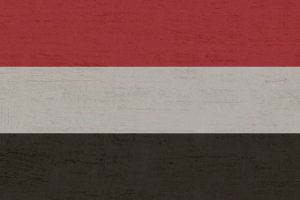
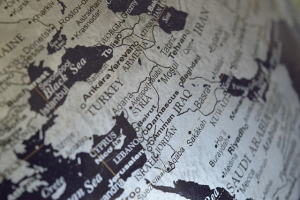
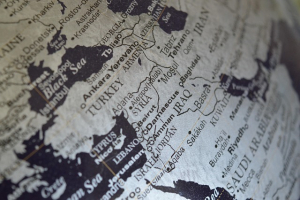
In Yemen, tensions between Saudi Arabia and the United Arab Emirates have intensified over the potential declaration of an independent southern state. Saudi Arabia accused the UAE of threatening its national security as the UAE continues to support the separatist Southern Transitional Council. The conflict has the potential to ignite a civil war within southern Yemen and may affect broader regional dynamics, including conflicts in Sudan and the Horn of Africa. The STC has gained control over significant territories and oilfields in the south, prompting Saudi Arabia to conduct military operations against the group. The situation remains precarious as both nations vie for influence in the region.
US Control Over Venezuelan Oil
The United States has asserted its control over Venezuela's oil sales indefinitely, following the seizure of a Russian oil tanker linked to the country. US Energy Secretary Chris Wright announced plans to sell up to $3 billion worth of Venezuelan crude that has been blockaded, with proceeds intended to benefit the Venezuelan people. The US aims to market both the stranded oil and future production from Venezuela's reserves. This strategy is seen as a means to stabilize global oil prices, which have recently experienced fluctuations. The US's control over Venezuelan oil could also impact China's purchasing dynamics, as the country relies heavily on Venezuelan crude.
Political Fallout from ICE Shooting
In the United States, political leaders are calling for an investigation into the fatal shooting of a woman by an ICE agent during a raid in Minneapolis. House Minority Leader Hakeem Jeffries and Senate Minority Leader Chuck Schumer have both demanded accountability, criticizing the actions of Homeland Security Secretary Kristi Noem. Congresswoman Robin Kelly announced plans to file articles of impeachment against Noem, accusing her of incompetence and violations of public trust. The incident has sparked protests and heightened scrutiny of immigration enforcement practices in the US, particularly in Democratic-run cities.
Wrap-up
These international developments underscore the ongoing struggles for power and influence across various regions. In Guinea, the return to civilian rule appears uncertain; in Yemen, the conflict between Saudi Arabia and the UAE could lead to further instability; in Venezuela, the US's control over oil resources raises questions about sovereignty and economic survival; and in the US, immigration policies continue to provoke significant political backlash.
Sources
theguardian.com
@hoju-korean.com Editorial Team















댓글목록0