












![[Summary News] Global Power Struggles Intensify Amid Political Upheaval and Human Rights Violations](https://pixabay.com/get/g08390b07b44ad380b687f1e9edcda7c73447eaba5b2fcba9ad465ab003c987c3eea0b69152044e8fd057b8e4522038756dbaa8ed72a6ddc69124319380c236fb_640.jpg)
Guinea's Presidential Election
Mamady Doumbouya, the head of Guinea’s junta, has been elected president, securing 86.72% of the first-round vote as announced by the electoral commission. The election was marked by a boycott from major opposition leaders who were barred from running, leading to claims of electoral irregularities. Doumbouya's decision to run contradicts his earlier pledge to restore civilian rule by the end of 2024. The National Front for the Defence of the Constitution criticized the election as a "charade," citing widespread public discontent and calls for a return to civilian governance.
Tensions Over Greenland
In the wake of Donald Trump's threats to acquire Greenland, US Secretary of State Marco Rubio is set to meet with Danish officials next week to address escalating tensions. Trump’s comments have prompted a strong response from NATO allies, with Danish officials warning that any military action would jeopardize the alliance. The UK’s Prime Minister Keir Starmer has emphasized that Greenland’s future should be determined by its people and Denmark, while European leaders are urged to strengthen their geopolitical stance in response to US maneuvers.
Protests in Iran's Kurdish Regions
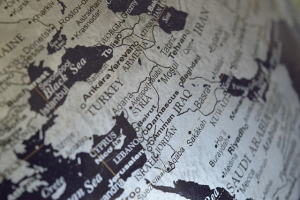
Demonstrations erupted in Kurdish regions of Iran as citizens protested against worsening economic conditions and government repression. Authorities responded with violence, using tear gas and live ammunition against protesters. Eyewitness accounts reported fatalities and injuries, with at least 36 people killed since the protests began. Opposition groups have called for a general strike to unify efforts against the government’s crackdown, echoing sentiments from previous movements against state oppression.
Yemen's Separatist Conflict
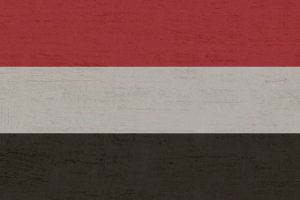
Aidaroous al-Zubaidi, leader of Yemen’s Southern Transitional Council, has rejected a Saudi ultimatum to attend talks in Riyadh, opting instead to make a last stand in Aden. Al-Zubaidi's decision comes amid a backdrop of Saudi airstrikes targeting his forces, as tensions rise between separatists and the UN-recognized government. The situation is further complicated by fears of his potential arrest if he complies with Saudi demands, leading to concerns over the stability of the region.
Israeli Settlement Expansion
Israel has initiated plans for a significant settlement project in the West Bank that critics argue will undermine the prospect of a Palestinian state. The "E1" project aims to construct over 3,400 homes, effectively severing Palestinian territories and solidifying Israeli control. The move has sparked outrage from international observers and human rights organizations, who view it as a violation of international law. Israeli officials, however, have expressed determination to proceed, framing the expansion as a necessary step for national security.
Wrap-up
The current international landscape is marked by political upheaval and human rights violations across various regions. From Guinea's controversial election to the ongoing conflicts in Yemen and Iran, global powers are navigating complex dynamics that challenge diplomatic relations and regional stability. The situation in Israel further complicates efforts toward peace in the Middle East, as settlement expansions threaten the viability of a two-state solution.
Sources
theguardian.com
newsis.com
@hoju-korean.com Editorial Team


















댓글목록0