












Young Africans' Perspectives on USAID Cuts
A survey conducted by the African Youth Survey indicates that approximately 25% of young Africans believe that cuts to USAID could have a positive effect on their countries. The survey, which included nearly 5,000 participants from 16 African nations, found that optimism was particularly high among young people in Ghana (41%) and Nigeria (40%). This sentiment reflects a broader desire for African governments to take greater responsibility for their own challenges, especially as foreign aid budgets face significant reductions.
The Trump administration's announcement in early 2025 to eliminate over 90% of USAID's foreign contracts, totaling $60 billion, has sparked concern among development organizations. Despite this, some youth see the cuts as a catalyst for change. Ivor Ichikowitz, who commissioned the survey, stated that young people are frustrated by governments heavily influenced by foreign powers. However, nearly half of the respondents (46%) expressed concern that the closure of USAID would harm essential services like healthcare, particularly in nations such as Mozambique and Kenya.
Japan's Earthquake and Ongoing Rescue Efforts
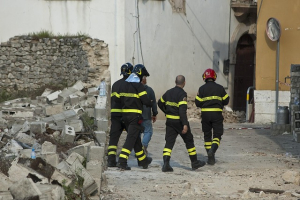
In Japan, a powerful 6.8-magnitude earthquake struck Kumamoto prefecture on Tuesday, resulting in at least 30 fatalities and injuring over 60 individuals. The earthquake has caused extensive damage, including the collapse of homes and a shopping center, complicating rescue operations. As temperatures soar to 35 degrees Celsius, nearly 5,000 Self-Defence Forces personnel are engaged in search and rescue efforts, hampered by a subsequent 5.8-magnitude aftershock.
Rescue workers are currently focused on the Aeon shopping center in Kashima, where approximately 3,000 customers were evacuated before a gas explosion occurred, claiming additional lives. The company has faced criticism for not anticipating the explosion, which affected shop workers who had returned to the building. The recovery effort has also seen a tragic death of a Vietnamese intern at a factory due to a crane accident.
Humanitarian Response and Challenges
As the situation in Japan evolves, officials report that nearly 23,000 homes are without electricity and 75,000 lack running water. Approximately 15,000 people have been evacuated to shelters, and the government is mobilizing resources to provide essential supplies. Defence Minister Shinjirō Koizumi emphasized the priority of saving lives and delivering water and food to those affected.
In contrast, the cuts to USAID in Africa are seen by some as a necessary step towards reducing dependency on foreign aid. Degan Ali, executive director of Adeso, highlighted that many young people perceive aid as demeaning and believe that African nations should be empowered to address their own issues.
Wrap-up
The contrasting narratives of young Africans embracing potential USAID cuts and Japan's struggle to recover from a deadly earthquake illustrate the complexities of international aid and disaster response. While some see opportunities for self-reliance, others face immediate challenges that require urgent humanitarian assistance.
Sources
theguardian.com
@hoju-korean.com Editorial Team





















댓글목록0