













Ebola Monitoring in the UK
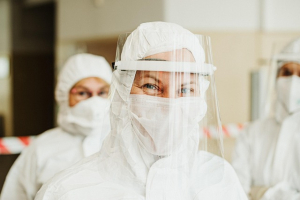
A UK resident, who recently worked in the Democratic Republic of the Congo (DRC) treating Ebola patients, has been medically evacuated to a specialist hospital in London. The UK Health Security Agency (UKHSA) confirmed the evacuation was a precautionary measure, stating the individual is not exhibiting any symptoms. The person will be monitored in isolation by infectious disease specialists for the incubation period of the virus, which ranges from two to 21 days. Richard Pebody, director of epidemic and emerging infections at UKHSA, emphasized that the public risk remains low, as there are currently no confirmed Ebola cases in the UK. The World Health Organization (WHO) had previously declared an outbreak in the DRC and Uganda a public health emergency.
Japan Earthquake Devastation
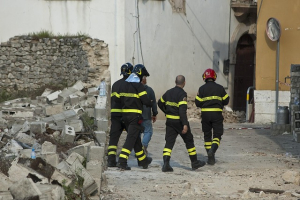
In Japan, a powerful 6.8 magnitude earthquake struck Kumamoto prefecture on Tuesday, leading to widespread destruction and loss of life. The quake injured hundreds and left tens of thousands without power and water. Prime Minister Sanae Takaichi described the situation as a "race against time" as rescue teams continue to search for survivors. Reports indicate that at least 13 people have died, with many others injured, including two women who were confirmed dead in an explosion at an Aeon shopping mall. The Japanese military has mobilized 3,600 personnel for disaster relief, and over 9,000 individuals are currently in evacuation centers across the affected regions.
Ongoing Rescue Efforts
Rescue crews are actively sifting through debris, particularly at a paper mill in Yatsushiro where a chimney collapse has left nine workers missing. The Japan Meteorological Agency (JMA) has warned of the risk of further strong quakes and landslides, with over 60 aftershocks recorded since the initial quake. The government has set up evacuation centers to accommodate those displaced, with significant numbers of people opting to sleep in their vehicles due to fears of aftershocks.
Public Health Concerns
As Japan faces the immediate aftermath of the earthquake, health concerns are also escalating due to high temperatures exceeding 35C and the potential for heatstroke among those without access to basic resources. The situation underscores the critical need for coordinated emergency responses in the face of natural disasters and public health threats.
Wrap-up
Both the Ebola monitoring in the UK and the earthquake disaster in Japan illustrate the interconnected nature of global health and safety. As countries respond to these challenges, the importance of preparedness and rapid response remains paramount.
Sources
theguardian.com
@hoju-korean.com Editorial Team



















댓글목록0