













Impact of the Blockade on Asian Economies
Countries such as Japan, the Philippines, Thailand, and South Korea depend on Middle Eastern oil for up to 90% of their imports. The blockade has forced these nations to scramble for alternative energy sources, with many already experiencing the economic repercussions of rising oil prices. Ahmed Helal from the Asia Group thinktank noted that the region is "scraping at the bottom of the barrel" regarding global oil reserves, with inventories running low.
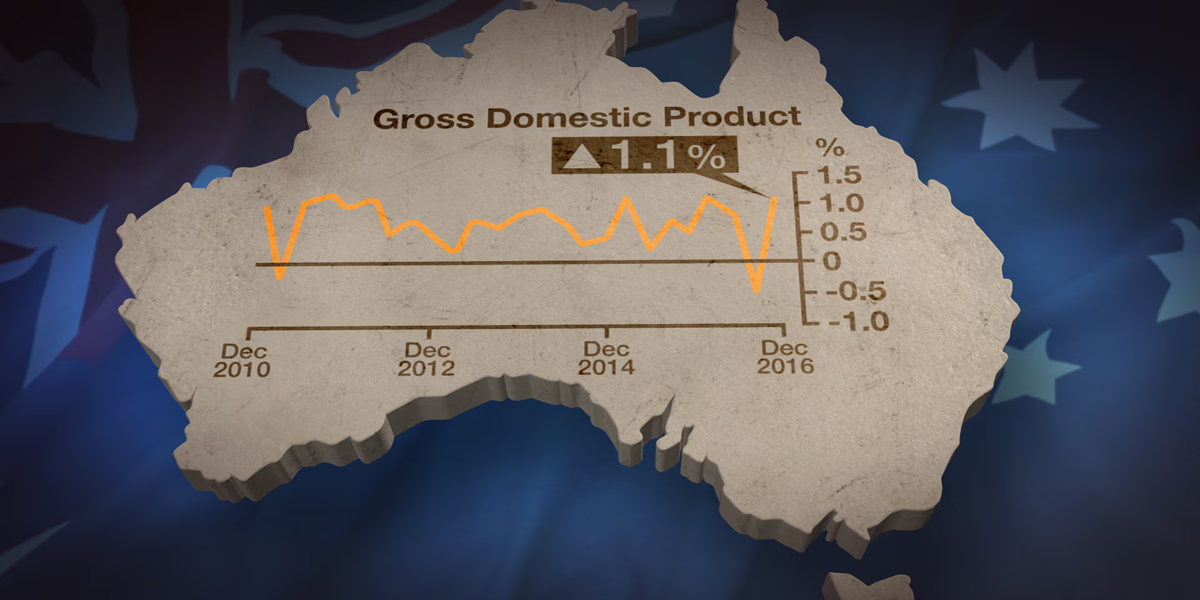
Japan and South Korea, in particular, are facing significant budgetary pressures as they implement fuel subsidies to mitigate rising costs. The escalation in oil prices has also contributed to increased inflation, putting additional strain on the economies of major players like Japan and Indonesia.
Rerouting Oil Supplies
In response to the blockade, some refiners in Japan and South Korea are exploring alternative shipping routes. They are considering rerouting oil through the Suez Canal, despite the substantial costs and logistical challenges associated with this detour. The largest oil tankers, known as VLCCs, cannot transit the Suez Canal fully loaded, necessitating a partial unload in the Red Sea and an additional transport through Egypt’s Sumed pipeline to the Mediterranean.
This rerouting option significantly extends the time required for oil shipments, doubling the voyage duration for many Asian importers. Nevertheless, the urgency of securing oil supplies may compel these nations to undertake these costly measures.
Recent Attacks and Shipping Declines
The situation has been exacerbated by recent Houthi attacks on Saudi oil tankers and infrastructure, which have led to a marked decline in the number of vessels transiting through the Bab al-Mandab strait. This reduction in shipping activity has heightened concerns over the stability of oil supplies, with some analysts predicting further disruptions.
As Asian countries continue to navigate this precarious energy landscape, the geopolitical implications of the blockade and the ongoing volatility in oil markets remain a pressing concern.
Wrap-up
The blockade in the Red Sea is intensifying the energy crisis in Asia, forcing nations to seek alternative routes and implement costly measures to secure oil supplies. As inflation rises and budgets tighten, the long-term effects of these disruptions on regional economies could be profound.
Sources
theguardian.com
@hoju-korean.com Editorial Team
























댓글목록0