












![[Summary News] Global Challenges: From Earthquakes and Wildfires to Market Turmoil and Geopolitical Tensions](https://pixabay.com/get/g79fc562ed7a1ae680796d46cf27fb9b9ac8f256a5bda7b3bf751d3e1bc3c78778ddca07a0a986d663ab24134b13084b362d107d46f6e5583ce11ea4abd8beeab_640.jpg)
Japan Earthquake and Aftermath
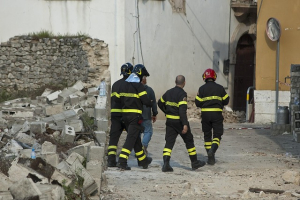
A 6.8-magnitude earthquake struck southern Japan, particularly affecting the town of Hikawa, leading to at least 13 fatalities and hundreds of injuries. The earthquake caused extensive damage, with many older homes collapsing. Rescue efforts continue, as officials race against time to locate individuals still trapped under debris. The Prime Minister, Sanae Takaichi, emphasized the urgency of rescue operations amid fears of aftershocks. Residents are grappling with both the physical destruction and the psychological toll of the disaster, compounded by rising temperatures that pose additional health risks.
Wildfires Rage Across Europe
In Europe, wildfires have prompted mass evacuations, particularly in Spain and France. Nearly 4,000 people were evacuated from tourist sites near Bordeaux as firefighters battled blazes exacerbated by extreme heat. Spanish Prime Minister Pedro Sánchez described the situation as dire, with thousands displaced and efforts ongoing to control the fires. The United Nations warned that the climate crisis is reaching emergency levels, with wildfires and heatwaves becoming increasingly severe and frequent. The recent spate of natural disasters underscores the urgent need for climate action and disaster preparedness.
Stock Market Decline Driven by Semiconductor Industry
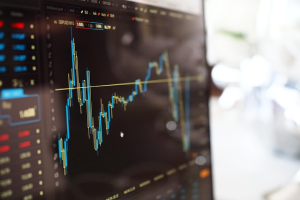
The stock market in Asia, particularly South Korea, has experienced significant declines, with shares in semiconductor companies plummeting after disappointing earnings from SK Hynix. The Kospi index fell dramatically, reflecting broader investor concerns about the sustainability of growth in the tech sector, particularly in light of the AI boom. Analysts noted that while SK Hynix reported strong profits, it fell short of expectations, leading to a sell-off that affected other major players like Samsung. This market turbulence is a stark reminder of the volatility inherent in the tech industry, especially as it relates to global supply chains and demand for advanced technologies.
US-Iran Tensions Escalate
In geopolitical developments, the United States has intensified its military operations against Iranian-backed militias in Iraq, following an attempted missile attack by Iran on US forces. The US military intercepted the missiles and conducted retaliatory strikes, resulting in casualties among militia members. This escalation comes amid ongoing tensions in the region, with Iran's Revolutionary Guards claiming to have targeted oil tankers in response to US actions. The situation remains fluid, with both sides on high alert, and the potential for further conflict looming.
Health Concerns Related to Ebola
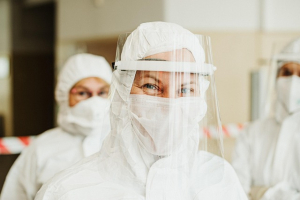
In health news, a humanitarian worker in the UK is being monitored for potential Ebola exposure after returning from the Democratic Republic of the Congo. The individual has shown no symptoms but is being isolated as a precautionary measure. The UK Health Security Agency has assured the public that the risk remains low, although the situation reflects ongoing concerns about the spread of infectious diseases in regions experiencing outbreaks.
Wrap-up
These diverse stories illustrate the complex challenges facing the world today, from natural disasters and health threats to economic instability and geopolitical conflicts. As nations grapple with these issues, the need for coordinated responses and proactive measures becomes increasingly apparent.
Sources
theguardian.com
newsis.com
reuters.com
bbc.com
apnews.com
@hoju-korean.com Editorial Team
















댓글목록0