













Indigenous Rights and Climate Policy
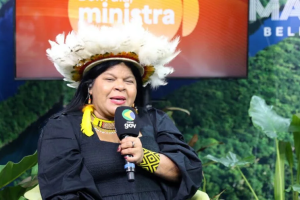
Sonia Guajajara emphasized the importance of recognizing Indigenous lands in climate policy discussions during COP30. She highlighted the role of civil society in defending these lands from industrial exploitation, particularly from mining companies seeking critical minerals for renewable energy production. Guajajara stated, "We are working hard here to prevent the exploitation of these territories," referencing the constitutional rights of Indigenous peoples in Brazil. The Tropical Forest Forever Facility (TFFF), launched at the summit, aims to financially support countries with large forested areas to preserve them, contrasting with the current funding model that only aids deforested regions.
Protests Disrupt COP30
On the first day of COP30, Indigenous protesters briefly halted proceedings by blocking access to the conference center. The demonstration lasted about two hours before police restored order, allowing delegates to enter through a side entrance. Guajajara expressed hope that the voices of traditional communities would influence the final outcomes of the conference, aiming for recommendations that would protect Indigenous rights and forest conservation.
U.S. Pressure on Thailand
In a different context, the U.S. has exerted pressure on Thailand to recommit to a ceasefire with Cambodia following accusations from Thailand that Cambodia had laid new landmines along their border. This situation has led to casualties and heightened tensions along the frontier. The U.S. Trade Representative has warned that trade talks, which include a significant tariff issue, could be suspended if Thailand does not reaffirm its commitment to the ceasefire agreement brokered by former President Donald Trump.
Trade Negotiations and Diplomatic Relations
Thai officials confirmed that they received a letter from the U.S. Trade Representative indicating that trade negotiations would be paused until the ceasefire is reaffirmed. However, a government spokesperson clarified that tariff discussions would remain separate from border issues. Trump claimed to have used the threat of tariffs to maintain peace in the region, asserting that his administration has successfully negotiated several international agreements aimed at reducing conflict.
Wrap-up
As Brazil advocates for the protection of Indigenous lands in the context of climate policy, the U.S. navigates complex diplomatic relations with Thailand and Cambodia, highlighting the interconnectedness of environmental and geopolitical issues. Both situations underscore the ongoing global challenges of balancing economic interests with social justice and environmental sustainability.
Sources
theguardian.com
reuters.com
@hoju-korean.com Editorial Team



















댓글목록0