












Fossil Fuel Treaty Initiative
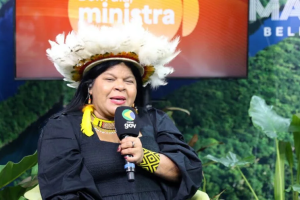
During the ongoing COP30 climate conference in Belem, Brazil, activists are pressing for a Fossil Fuel Treaty to address the root causes of the climate crisis. The initiative, backed by 17 countries, advocates for a swift transition away from coal, oil, and gas. Olivia Bissa, president of the Chapra Nation in the Peruvian Amazon, emphasized the dire consequences of continued fossil fuel extraction, stating, "If we continue to extract hydrocarbons from the Earth, we will exterminate ourselves." The conference follows a previous commitment made at COP28 in Dubai, where nations pledged to "transition away" from fossil fuels, although tangible progress remains elusive.
Tzeporah Berman, chair of the Fossil Fuel Treaty Initiative, praised Brazilian President Luiz Inácio Lula da Silva for promoting a fossil fuel phase-out but criticized him for permitting new oil drilling projects near the Amazon. Berman pointed out that fossil fuel production is on the rise, exacerbating global inequalities. She called for a treaty as a "major act of love and justice for our time," urging countries to take decisive action against climate change.
Canada’s Arctic Security Concerns
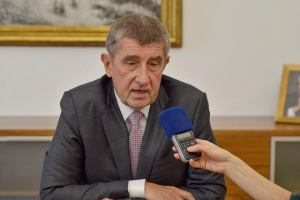
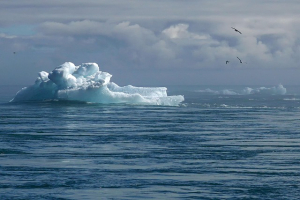
Simultaneously, Canada is grappling with heightened security threats in the Arctic, where the Canadian Security Intelligence Service (CSIS) has reported increased espionage activities by Russia and China. In his annual address, CSIS Director Dan Rogers highlighted that both nations are targeting the Canadian government and private sector for intelligence gathering. He noted that Canada’s strategic interests in the Arctic, including navigable routes and critical minerals, have made the region a focal point for foreign espionage.
Rogers disclosed that CSIS has thwarted attempts by Russia to illegally acquire Canadian goods and technologies for its war efforts in Ukraine. He also indicated that Chinese spies have attempted to recruit Canadians with military expertise. In addition to these threats, Rogers mentioned that CSIS has been actively countering potential lethal threats from Iranian intelligence services targeting dissidents in Canada.
Investment in Arctic Infrastructure
In response to these challenges, the Canadian government has announced a C$1 billion (US$710 million) Arctic infrastructure fund aimed at enhancing security and accessibility in the region. This investment will facilitate the construction of new airports, seaports, and all-season roads. Canada’s Foreign Affairs Minister Anita Anand emphasized the need for NATO to extend its focus to the Arctic, underscoring the strategic importance of the region amid rising geopolitical tensions.
Wrap-up
The calls for a Fossil Fuel Treaty at COP30 and the warnings from Canada about espionage in the Arctic reflect the interconnectedness of climate change and national security. As nations grapple with these pressing issues, the need for coordinated international action becomes increasingly critical.
Sources
theguardian.com
theguardian.com
@hoju-korean.com Editorial Team











댓글목록0