













WHO's Commitment to Combat Ebola
Tedros landed in Kinshasa on Thursday evening and plans to visit Ituri province, the epicenter of the outbreak, on Friday. He expressed confidence in the ability to control the situation, stating, "That thing can be stopped." He also criticized travel bans as ineffective measures against the outbreak, asserting that collective efforts are essential to overcome the crisis.
The DRC is experiencing its 17th recorded Ebola outbreak, with more than 1,000 confirmed and suspected cases reported. The WHO has warned that the virus may have been circulating unnoticed for some time, indicating a potentially wider spread than currently recognized.
Challenges in Medical Relief
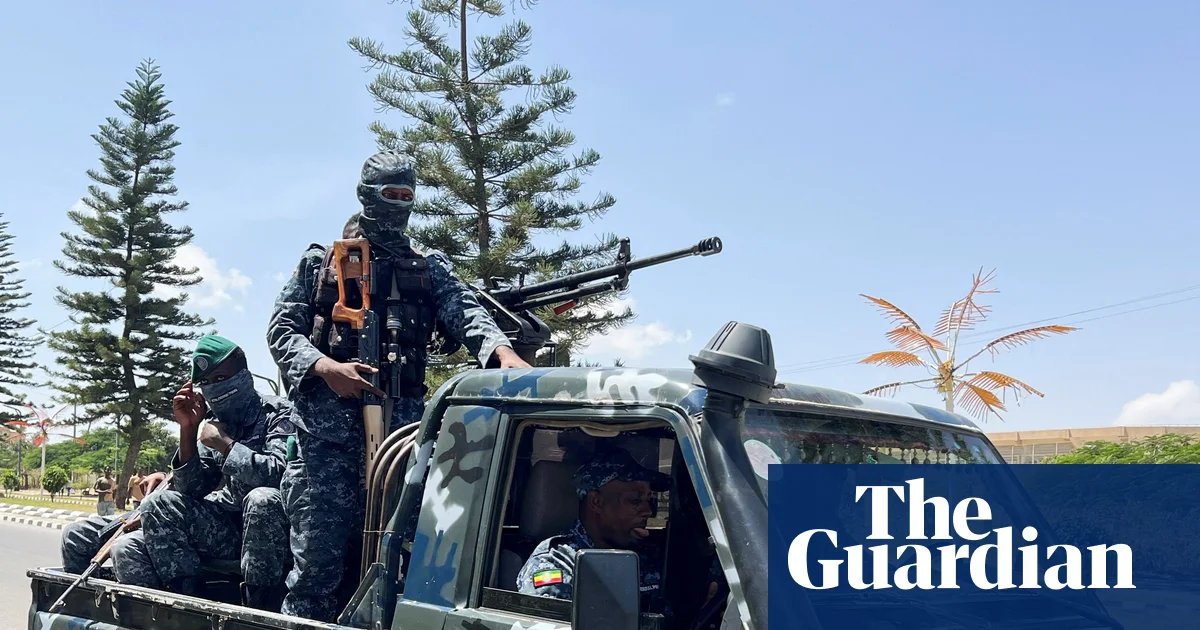
The outbreak is exacerbated by conflict in the mineral-rich region, where armed groups are active. Tedros made a direct appeal to combatants, urging them to declare a ceasefire to prevent further suffering from the disease. "No cause, no conflict, no grievance is worth condemning innocent people to death from a preventable disease," he stated.
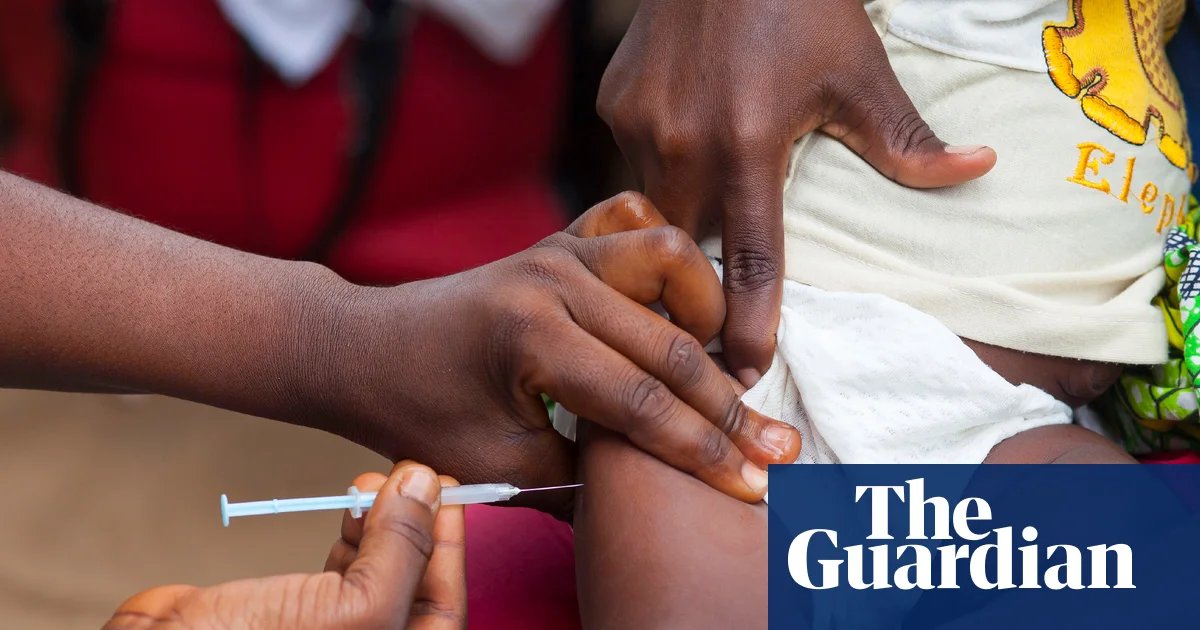
The current outbreak is caused by the Bundibugyo strain of Ebola, for which there are no existing vaccines or treatments. The WHO has indicated that clinical trials for potential vaccines and treatments are being recommended. Jean Kaseya, head of the African Union’s health agency, announced that a vaccine might be ready by the end of the year.
Regional Responses and Precautions
In response to the outbreak, neighboring Uganda has closed its border with the DRC after reporting one death and six additional cases. The United States has also implemented measures to deny entry to anyone infected and is working to establish a treatment facility for affected citizens in Kenya. However, a Kenyan rights group has sought legal action to limit operations at this facility, citing concerns about the impact on Kenya's healthcare system.
Aid Efforts Underway
The WHO has received 4.6 tonnes of aid at Bunia airport, the capital of Ituri province, while UNICEF has pledged to send 100 tonnes of aid to assist those affected by the outbreak. The international community is mobilizing resources to support the DRC in its fight against Ebola, emphasizing the urgency of addressing this health crisis.
Wrap-up
The WHO's intervention in the DRC highlights the critical need for immediate action and collaboration to halt the Ebola outbreak. As the situation develops, the focus remains on providing medical assistance, ensuring safety, and finding a solution to the ongoing conflict that complicates relief efforts.
Sources
theguardian.com
@hoju-korean.com Editorial Team

















댓글목록0