













US Arms Sales to Taiwan in Question
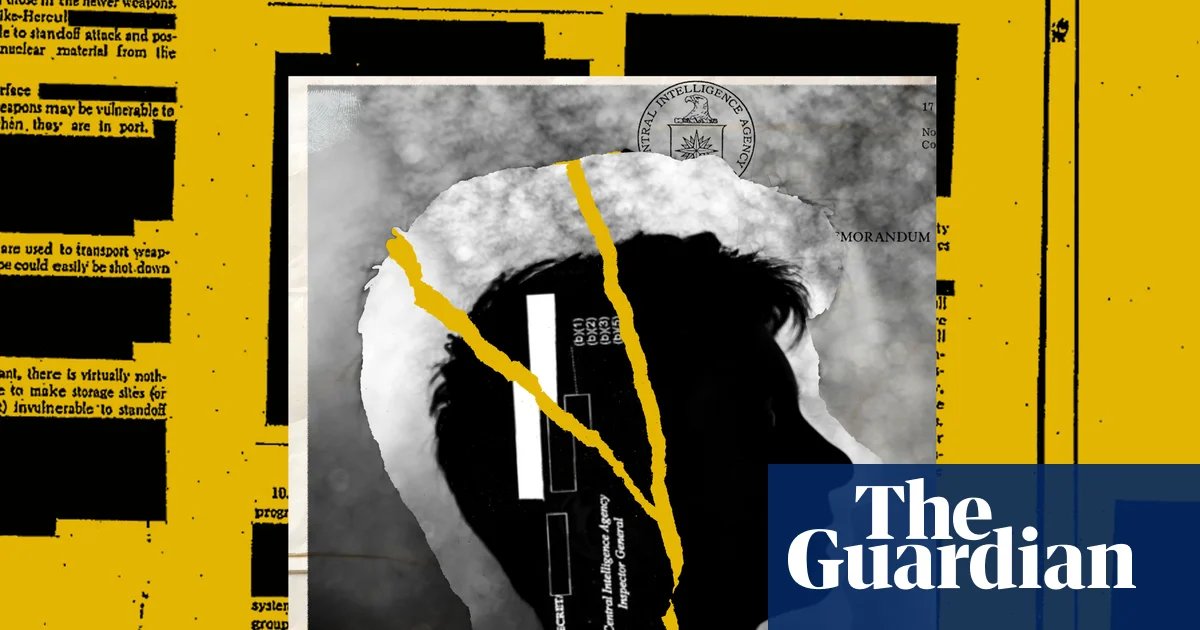
Recent comments from acting Navy Secretary Hung Cao during a congressional hearing have raised alarms in Taiwan regarding the status of a $14 billion arms package. Cao indicated that the delivery of these weapons might be paused to prioritize munitions for the US military's operations in Iran, which began on February 28. Experts, including Rupert Hammond-Chambers, president of the US-Taiwan Business Council, have dismissed this rationale, asserting that the timeline for arms deliveries to Taiwan is already extended, with completion expected only in the 2030s. The uncertainty surrounding US support for Taiwan has been amplified by President Donald Trump's remarks suggesting that arms sales could be leveraged in negotiations with China, which claims Taiwan as its territory.
Australia's Capital Gains Tax Reforms Under Fire
In Australia, former Prime Minister Paul Keating has urged the current Labor government to maintain its proposed reforms to the capital gains tax (CGT). The government plans to shift from a 50% discount on capital gains to an inflation-based model, which Keating argues is essential for correcting economic distortions created by previous policies favoring established housing over productive investments. Small business owners and investors have expressed strong opposition, fearing that exemptions for commercial assets would exacerbate existing economic imbalances. The legislation, which includes changes to negative gearing and new tax offsets, is set to be introduced in parliament, but opposition parties are poised to challenge its passage.
Podcast Advertising Regulations Spark Controversy
In a related development, proposed regulations in Australia concerning online gambling advertisements have stirred debate among independent senator David Pocock and communications officials. The new rules would mandate that platforms limit gambling ads to users over 18 and allow them to opt out of such content. Pocock criticized the requirement that podcasters create multiple versions of their episodes to accommodate these rules, calling it "bonkers." This situation highlights the ongoing tension between regulatory measures aimed at protecting consumers and the operational realities faced by content creators.
Wrap-up
As the US navigates its arms sales strategy amid rising tensions with China, Australia is simultaneously addressing significant economic reforms that could reshape its financial landscape. The interplay of these international and domestic issues underscores the complexities of governance and policy-making in an increasingly interconnected world.
Sources
theguardian.com
@hoju-korean.com Editorial Team
























댓글목록0