













Military Cooperation Details
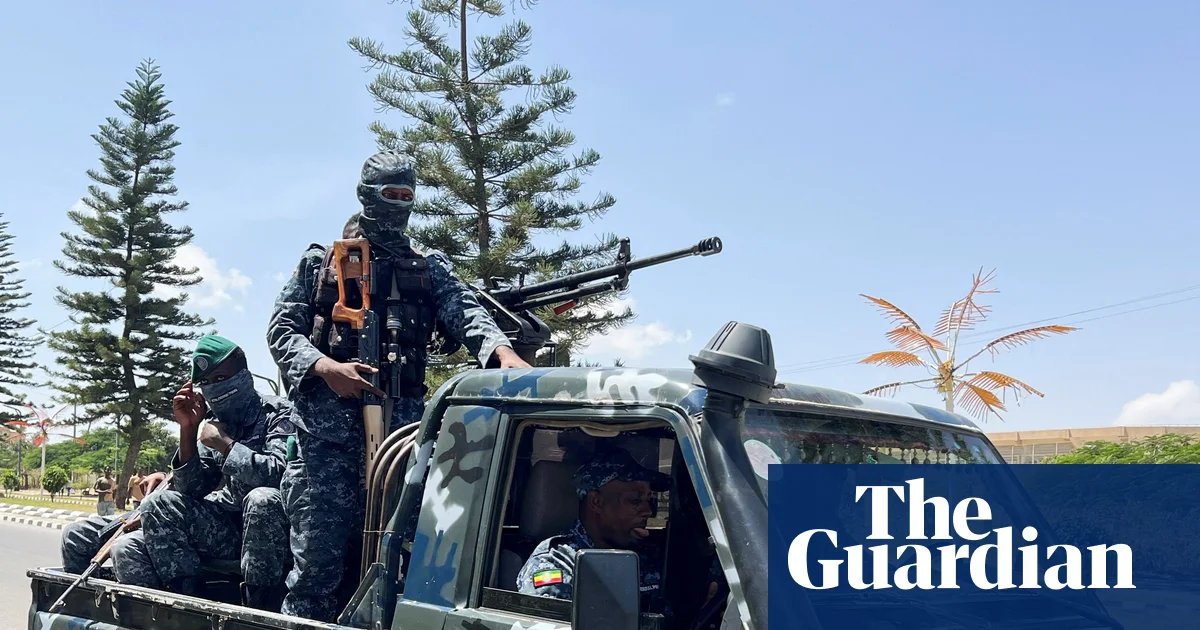
The Guatemalan government clarified that the proposed cooperation falls within the framework of existing bilateral agreements and does not authorize foreign military operations on its territory. President Arévalo and Defense Minister Henry Sáenz have engaged in discussions with US Defense Secretary Pete Hegseth to outline the terms of this cooperation. The initiative aims to expand upon a strategy that was first implemented in 2024.
Arévalo emphasized the importance of intensified collaboration, stating, "We have discussed the possibilities of intensifying the collaboration that has been taking place within the framework of existing bilateral agreements." The Pentagon has refrained from commenting on any potential future operations, maintaining a focus on operational security.
Broader Context of US Military Presence
The New York Times reported that this move is part of a larger White House strategy to normalize a US military presence across Latin America to gain leverage over Mexico. The Pentagon is also reportedly working to encourage Honduras to accept joint military actions. In contrast, Mexico’s President Claudia Sheinbaum has expressed openness to intelligence-sharing and security cooperation but has firmly rejected the presence of US agents or forces on Mexican soil.
Political Implications and Historical Background
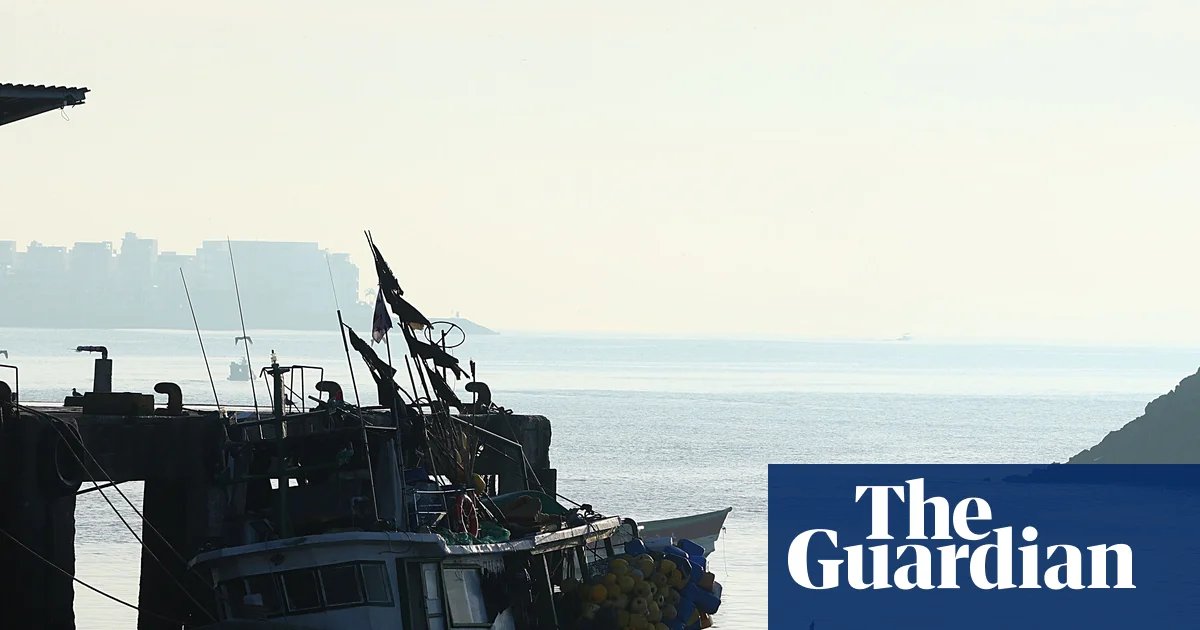
Former President Donald Trump has advocated for a more aggressive use of US military force against Mexican cartels, suggesting unilateral action if Mexico does not take sufficient measures. The Trump administration initiated operations against vessels in the Caribbean and eastern Pacific, claiming a state of war against what it terms "narco-terrorists." However, the legality of these operations has been contested due to a lack of definitive evidence linking targeted boats to drug trafficking.
In March, Trump launched a multinational cartel-fighting alliance with Latin American leaders, including Ecuador's President Daniel Noboa, aiming to strengthen regional cooperation against drug trafficking. The US has previously collaborated with Ecuadorian forces to conduct strikes against cocaine-smuggling guerrillas.
Wrap-up
Guatemala's request for US military cooperation highlights the ongoing challenges posed by drug trafficking in Central America and the complexities of international relations in addressing these issues. As the situation evolves, the implications for regional security and cooperation remain significant.
Sources
theguardian.com
@hoju-korean.com Editorial Team

















댓글목록0