













Comet Details and Visibility
C/2025 R3 PanSTARRS, which has recently transitioned from the northern to the southern hemisphere, is expected to be most visible after sunset. According to astronomer Josh Aoraki from Te Whatu Stardome in Auckland, the comet is not bright enough to be seen with the naked eye, but it can be observed using binoculars, telescopes, or cameras. The comet's brightness will gradually decrease over the next fortnight, so viewers are encouraged to observe it as soon as possible.
Best Viewing Practices
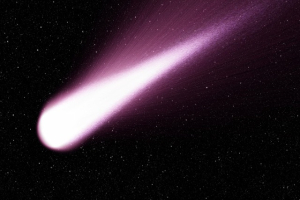
To catch a glimpse of the comet, observers should locate a clear view of the western horizon shortly after sunset. The comet will be low in the sky during this time and is expected to appear as a blue-green orb with a faint tail, resembling a fuzzy meteor. Aoraki suggests that capturing the comet on camera can be a rewarding experience, as it is relatively easy to photograph despite its diminishing brightness.
Origin and Trajectory
C/2025 R3 PanSTARRS originates from the Oort Cloud, a distant region in the solar system filled with icy bodies. Discovered in 2025, this long-period comet takes approximately 170,000 years to complete its orbit around the sun. Aoraki noted the challenges in predicting the comet's trajectory, as it loses mass each time it approaches the sun, which may alter its path. While it could return after its lengthy orbit, there is also a possibility that it could be ejected from the solar system.
Implications for Astronomy Enthusiasts
The appearance of C/2025 R3 PanSTARRS presents a significant event for both amateur and professional astronomers. With the comet's long absence expected after this appearance, the opportunity to observe and study it is particularly valuable. Stargazers across New Zealand, Australia, South Africa, and the Pacific are urged to take advantage of this fleeting chance to witness a rare cosmic phenomenon.
Wrap-up
As C/2025 R3 PanSTARRS makes its brief visit to our skies, astronomy enthusiasts are reminded of the transient nature of such celestial events. The comet's expected disappearance for 170,000 years underscores the importance of seizing the moment to observe and appreciate the wonders of our universe.
Sources
theguardian.com
@hoju-korean.com Editorial Team


























댓글목록0