










Cuban Government's Response
In an executive order issued on Friday, US President Donald Trump announced sanctions targeting individuals involved in various sectors of the Cuban economy, including energy, defense, and financial services. Cuban Foreign Minister Bruno Rodriguez criticized these measures, stating that they unfairly penalize the nation’s citizens. He expressed the Cuban government's firm rejection of what he termed "unilateral coercive measures" imposed by the US.
Trump's Statements and Historical Context
During a speech in Florida, Trump hinted at potential military operations against Cuba, suggesting that the US could deploy its aircraft carrier, the USS Abraham Lincoln, near the island as a show of force. This rhetoric reflects a long-standing tension between the two nations, rooted in a US trade embargo that has been in place since the 1959 revolution led by Fidel Castro.
Economic Impact of Sanctions
Cuba's economic situation has deteriorated significantly, exacerbated by a fuel blockade initiated by the US in January. The blockade has led to severe supply shortages, power outages, and a drastic decline in tourism, which was once a cornerstone of the Cuban economy. The sanctions are seen as the most impactful for non-American companies operating in Cuba since the embargo began, according to Jeremy Paner, a former sanctions investigator.
Ongoing Tensions and Calls for Dialogue
Despite the recent sanctions, there were previous attempts at dialogue, with US officials visiting Cuba for discussions in April. The US has long demanded that Cuba reform its state-run economy, compensate for properties seized after the revolution, and conduct free elections. However, Cuba remains steadfast in its commitment to its socialist government, asserting that these demands are non-negotiable.
May Day Celebrations
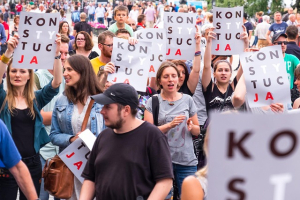
The sanctions were announced on May 1, a day marked by large-scale protests in Havana under the slogan "Defend the Homeland." The demonstrations were led by President Miguel Diaz-Canel and former revolutionary leader Raúl Castro, emphasizing the Cuban government's determination to resist US pressure.
Wrap-up
Cuba's reaction to the latest US sanctions highlights the deep-rooted tensions between the two nations. As economic challenges mount and diplomatic relations remain strained, the Cuban government continues to rally its citizens in defense of their sovereignty against perceived external aggression.
Sources
theguardian.com
@hoju-korean.com Editorial Team









댓글목록0