











Uganda's Controversial Bill
Ugandan opposition leaders, human rights organizations, and legal experts are condemning the Protection of Sovereignty Bill 2026, which proposes penalties of up to 20 years in prison for promoting "foreign interests." The legislation is being fast-tracked through parliament, with debates expected to conclude before the presidential swearing-in on May 12. State Minister for Internal Affairs Gen David Muhoozi stated that the bill aims to safeguard national security and economic stability from foreign interference. However, critics, including opposition leader Joel Ssenyonyi, argue that the bill mirrors authoritarian laws in Russia and China, aiming to cripple civil society and media by cutting off essential funding.
The vague language of the bill raises concerns that it could criminalize a wide range of activities, including advocacy and journalism. The bill comes at a time of heightened political tension in Uganda, with opposition figures facing charges related to foreign support and the suspension of human rights organizations ahead of the January general election. President Yoweri Museveni has consistently warned against foreign influence, asserting that Uganda is not a neo-colony.
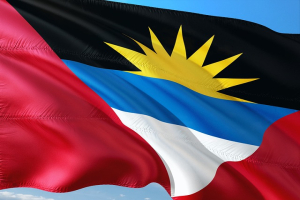
Antigua and Barbuda's Election Outcome
In contrast, Antigua and Barbuda's Prime Minister Gaston Browne is set to secure a fourth term in the country's snap general election, with preliminary results indicating that his party, the Antigua and Barbuda Labour Party (ABLP), is on track to win 15 of 17 parliamentary seats. Addressing supporters, Browne emphasized that voters have clearly indicated their preference for his leadership. The opposition, led by Jamale Pringle of the United Progressive Party (UPP), managed to secure only one seat, with Pringle defeating a former party member who defected to the ABLP.
Political analysts attribute Browne's success to the disarray within the opposition and the ABLP's ability to capitalize on recent byelection victories. Despite facing economic challenges, including rising fuel prices and US visa restrictions affecting locals, Browne framed the election as a choice for stability amid global uncertainties. He urged voters to reject a change in leadership during these turbulent times.
Wrap-up
The contrasting political landscapes in Uganda and Antigua and Barbuda highlight differing approaches to governance and civil liberties. While Uganda grapples with legislation perceived as oppressive, Antigua and Barbuda's election results suggest a preference for continuity in leadership despite economic pressures. Both situations reflect the complexities of political dynamics in their respective regions.
Sources
theguardian.com
@hoju-korean.com Editorial Team



















댓글목록0