













Mali's Coordinated Assaults
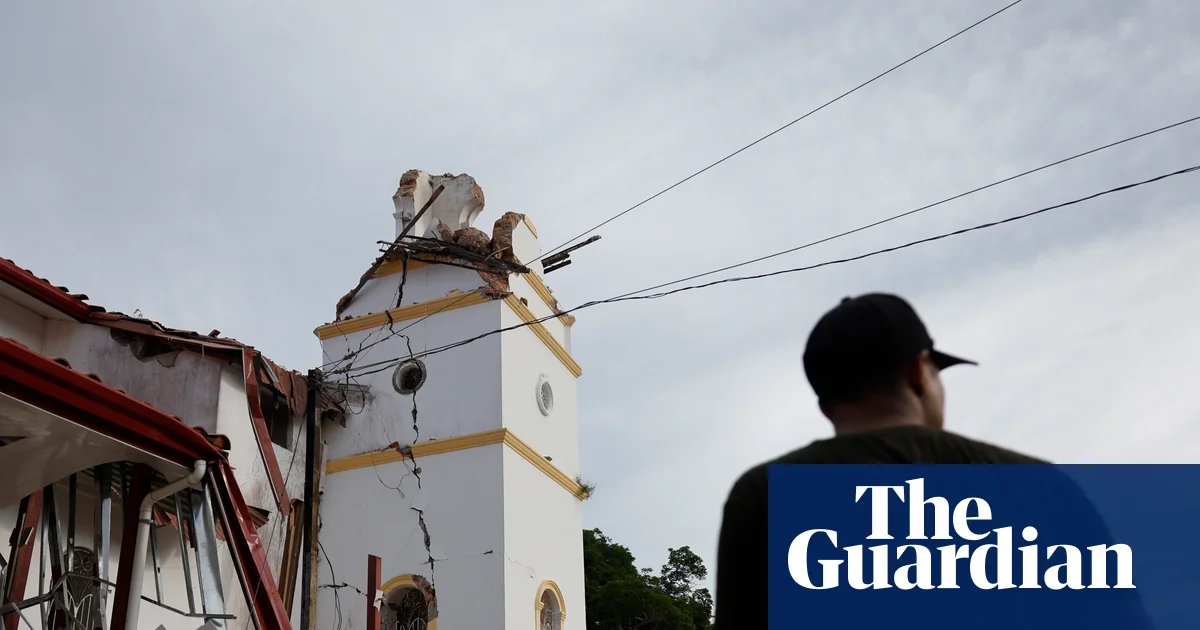
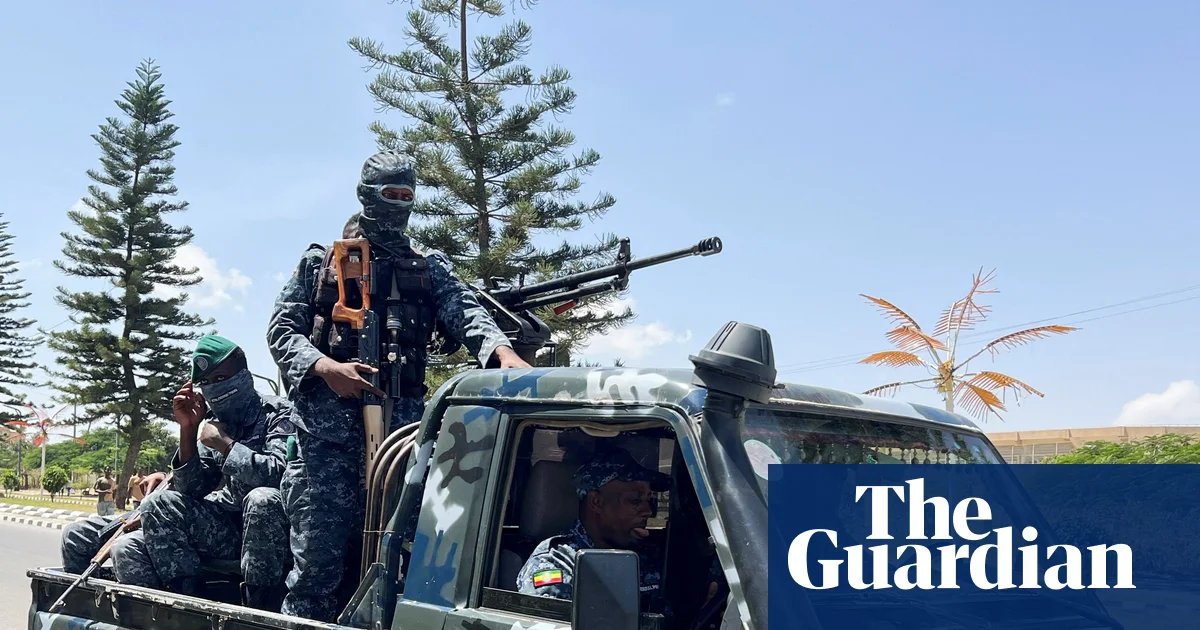
The al-Qaida-linked militant group JNIM claimed responsibility for attacks targeting Bamako's international airport and multiple cities, including Sévaré and Mopti. The assaults were conducted in partnership with the Azawad Liberation Front, a Tuareg-led separatist group. The Malian army reported engaging in combat with unidentified armed groups, asserting that they were able to control the situation after initial chaos. Eyewitnesses described heavy gunfire and explosions, particularly near the international airport, which is also close to a military airbase. The U.S. embassy in Bamako issued a security alert advising citizens to shelter in place and avoid travel in the affected areas.
The attacks caused significant damage, particularly to the residence of Mali's defense minister. Videos circulating on social media depicted militant convoys and armed exchanges in several towns, including Kidal, which had previously been a stronghold of the separatist movement before being reclaimed by government forces. The situation remains tense, with reports of ongoing violence and military responses.
Healthcare Crisis in Australia
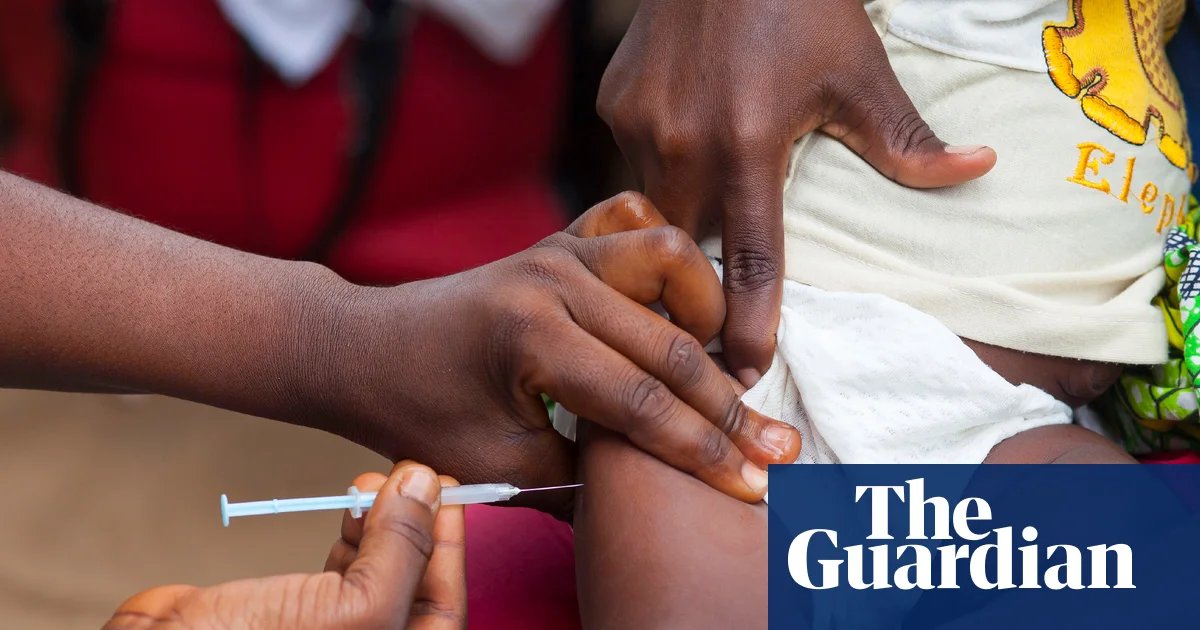
In a separate global issue, Australians are increasingly unable to afford necessary dermatological care due to rising costs. A recent report from health directory Cleanbill revealed that the average out-of-pocket cost for a first visit to a dermatologist is now $230, with follow-up appointments averaging nearly $190. This increase has been particularly pronounced in smaller states like Western Australia, South Australia, and Tasmania, where patients face even steeper prices.
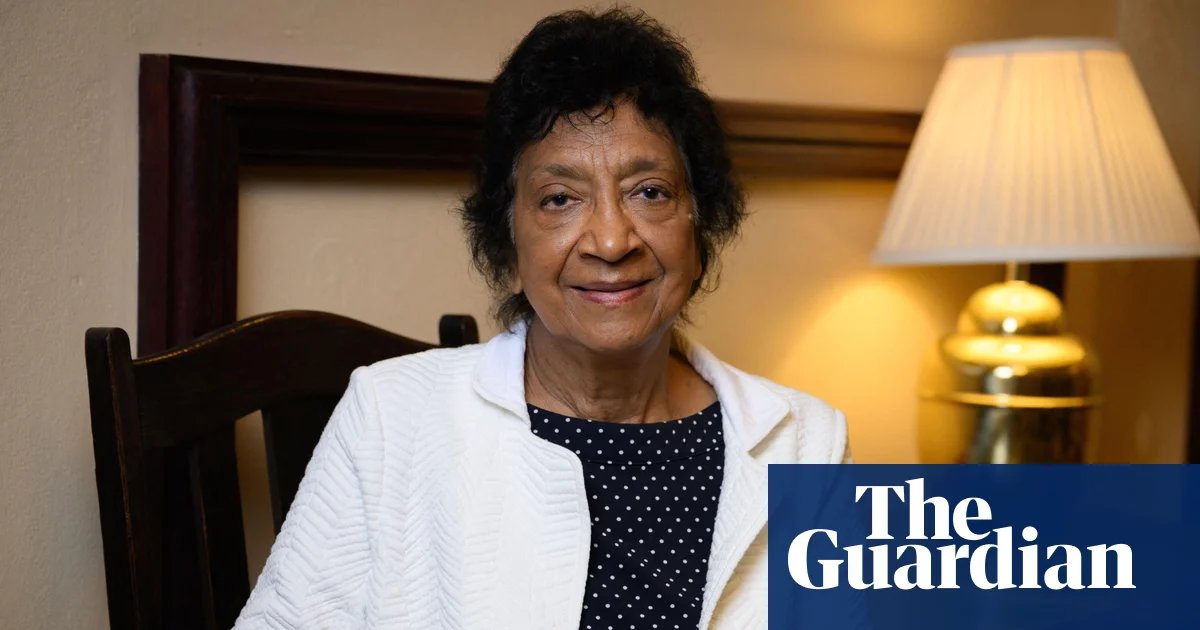
Dr. Elizabeth Deveny, CEO of the Consumers Health Forum, highlighted the growing financial burden on patients, emphasizing that many are forced to prioritize their budgets over essential health care. The gap between what Medicare covers and the actual costs of specialist care has been widening, leaving many Australians unable to afford necessary follow-up appointments, especially for skin cancer checks.
The dermatology workforce in Australia is limited, with just under 700 specialists available to meet rising demand driven by high skin cancer rates. The shortage of dermatologists is compounded by a trend toward more lucrative cosmetic procedures, which are not covered by Medicare, further limiting access to essential medical care. The Australasian College of Dermatologists noted that funding constraints are hindering the number of available training positions, exacerbating the shortage of specialists.
Wrap-up
The coordinated attacks in Mali underscore the persistent security challenges faced by the country, while the rising costs of dermatological care in Australia highlight a growing healthcare crisis that affects access to necessary medical services. Both situations reflect broader global issues of security and health that require urgent attention and action.
Sources
theguardian.com
newsis.com
@hoju-korean.com Editorial Team















댓글목록0