













St Vincent Constitutional Amendment Delay
The St Vincent and Grenadines government announced the delay of two bills intended to clarify citizenship eligibility for members of parliament. The bills were tabled in response to election petitions questioning the eligibility of Prime Minister Godwin Friday and MP Dwight Fitzgerald Bramble, both of whom hold dual citizenship with Canada. On Tuesday, amid protests near Parliament, Friday stated that the government would not proceed with the amendments until further public debate occurred. Protesters held signs demanding that any constitutional changes involve the people's voice, reflecting widespread discontent over the proposed alterations.
The proposed amendments aimed to retroactively redefine "foreign power or state" to exclude Commonwealth countries, thereby allowing parliamentarians with dual citizenship from Commonwealth nations to retain their positions. Critics, including former Prime Minister Ralph Gonsalves, warned that these changes could lead to a constitutional crisis and undermine the rule of law. Legal experts have raised concerns about the timing of the bills, suggesting they may be an attempt to resolve a political issue rather than genuine legal reform.
Duterte's Trial for Crimes Against Humanity
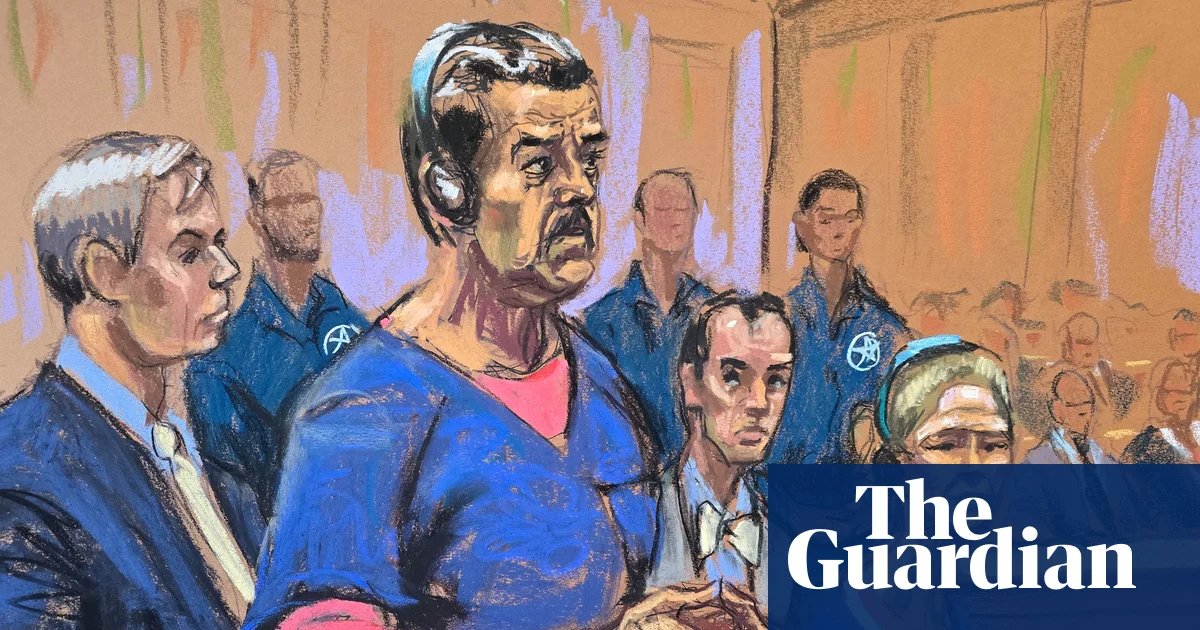
In a separate international legal development, former Philippine President Rodrigo Duterte will face trial at the International Criminal Court after judges confirmed charges of crimes against humanity. The ICC's pre-trial judges found substantial grounds to believe that Duterte was responsible for murder and attempted murder during his presidency, specifically related to anti-drug operations that resulted in thousands of civilian deaths.
The allegations assert that these actions were part of a systematic attack on the civilian population during Duterte's administration, which began in 2016. Families of victims expressed relief at the ICC's decision, marking a significant moment for human rights advocates. Duterte, who has denied the charges, has not yet been confirmed to attend the trial. His defense team argues he is unfit for trial due to cognitive decline, a claim that has been contested by the prosecution.
The prosecution has characterized Duterte as central to the violence perpetrated during his anti-drug campaigns, citing his direct involvement in orchestrating killings and inciting violence through his public statements. Estimates suggest that as many as 30,000 civilians were killed in connection with these operations, raising serious concerns about the implications for human rights in the Philippines.
Wrap-up
The current situations in St Vincent and the Philippines highlight significant legal and political challenges in both nations. In St Vincent, public sentiment has effectively halted proposed constitutional changes, while in the Philippines, the international community is poised to hold a former leader accountable for alleged human rights violations. Both cases underscore the ongoing struggle for justice and governance in the face of political controversies.
Sources
theguardian.com
@hoju-korean.com Editorial Team




















댓글목록0