













UK Stance on the Falkland Islands
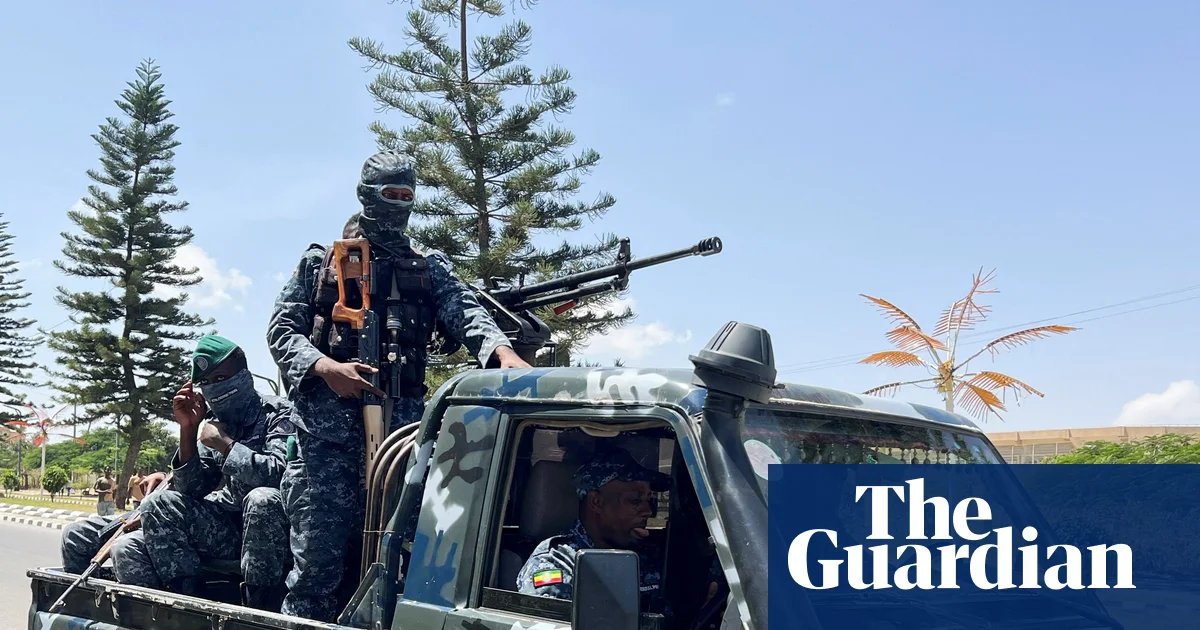
Downing Street has stated that the UK's position regarding the Falkland Islands remains unchanged, despite a leaked Pentagon memo suggesting that the United States might reconsider its support for British claims. The memo was reportedly crafted in response to frustrations over NATO allies' insufficient backing during the recent U.S.-led military actions against Iran. Keir Starmer's spokesperson confirmed that the UK's sovereignty over the islands is solid, emphasizing the islanders' right to self-determination. The UK government remains confident in its strong defense relationship with the U.S., dismissing concerns about any potential shift in American policy under Donald Trump's administration.
Global Talks on Fossil Fuel Phase-Out
In a significant development, the inaugural Transitioning Away from Fossil Fuels conference is taking place in Santa Marta, Colombia, from April 24 to 29. This event, co-hosted by Colombia and the Netherlands, aims to gather a "coalition of the willing," comprising 54 countries and various stakeholders to explore pathways for reducing reliance on fossil fuels. The urgency for such discussions has been amplified by frustrations with current COP negotiations, particularly as nations face increasing pressure from fossil fuel-producing states.
Tokyo's Energy-Saving Initiative
As energy costs rise due to the ongoing conflict in the Middle East, Tokyo's metropolitan government has initiated a campaign encouraging public servants to wear shorts during the summer months. This move is part of Japan's Cool Biz initiative, aimed at reducing air conditioning use and promoting comfort during sweltering heat. Tokyo Governor Yuriko Koike highlighted the need for casual attire to improve work efficiency while addressing the severe outlook for electricity supply. With Japan relying heavily on oil imports from the Middle East, the government is taking measures to mitigate potential shortages by tapping into strategic reserves and sourcing oil from alternative suppliers.
Economic Implications of Geopolitical Tensions
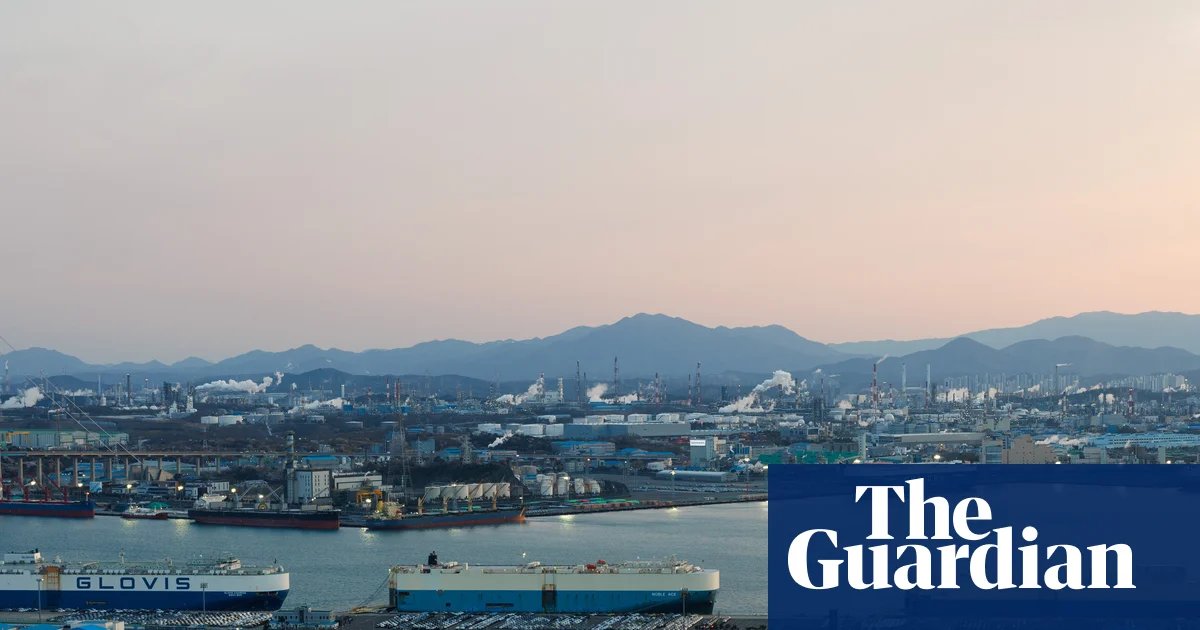
The ongoing war in the Middle East has raised concerns across Asia about rising oil prices and potential shortages. Countries like Vietnam and South Korea have begun rationing energy and encouraging remote work to cope with these challenges. Experts warn that if shipping through the Strait of Hormuz does not stabilize soon, Japan, as the world's fourth-largest economy, could face significant energy shortages, prompting further drastic measures reminiscent of past oil crises.
Wrap-up
As the UK reaffirms its territorial claims over the Falkland Islands, global leaders are convening to address the urgent need for a transition away from fossil fuels in light of rising energy costs. Meanwhile, Tokyo's initiative to allow shorts in the workplace reflects broader efforts to adapt to the challenges posed by geopolitical tensions and their economic repercussions.
Sources
theguardian.com
@hoju-korean.com Editorial Team





















댓글목록0