












![[Summary News] Global Tensions Rise Amid Iran Conflict, Ukraine Peace Talks, and Economic Repercussions](https://pixabay.com/get/g4f9a28762407d0a488c2b3401aa024921485231d89e837da0b4eafff143ef0d008ba0b91665e21f93bc80f980ee1f933c4ca82d04b5aa270535c13bf2288aef9_640.jpg)
Middle East Conflict and US Positioning
Trump has expressed frustration with European nations, particularly the UK and France, for not participating in military operations against Iran. He urged these countries to secure their own oil supplies from the Gulf, stating, "Get your own oil." This rhetoric coincides with his announcement that US military operations in Iran would conclude within two to three weeks. The President emphasized that the responsibility for ensuring the safety of the Strait of Hormuz would fall on the countries that rely on it, distancing the US from direct involvement.
In a related note, tensions have risen as France and Italy have restricted US military flights through their airspace, indicating a growing divide in transatlantic relations. The UK remains a key ally, allowing US operations despite public criticism from Trump regarding its military capabilities.
Ukraine Peace Talks
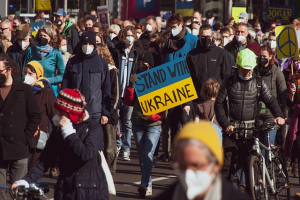
In Ukraine, President Zelenskyy is set to meet with US negotiators to discuss potential steps toward ending the Russian invasion. He proposed a ceasefire during the Easter period and is awaiting a response from Russia. The Kremlin, however, has shown no willingness to compromise, insisting that Ukraine must withdraw its forces from the Donbas region to avoid harsher terms in any peace agreement. This situation underscores the complex interplay between the war in Ukraine and the ongoing Middle East conflict, as both regions grapple with instability.
Economic Impact of Geopolitical Strains
The war in Iran has had significant implications for global oil prices, which have fluctuated dramatically. Following Trump's optimistic remarks about the conflict's imminent conclusion, Brent crude prices fell by over 15%, while global stock markets rallied in response. Asian markets saw substantial gains, with Japan's Nikkei index rising by 5% and South Korea's Kospi jumping by 8%. This volatility in oil prices is expected to influence inflation and economic growth worldwide, particularly in nations heavily reliant on energy imports.
In Europe, concerns are mounting over energy supply disruptions due to the Middle East conflict. Countries within the EU are strategizing to mitigate economic impacts, particularly for those most vulnerable to energy shortages. The situation has prompted discussions on enhancing cooperation among EU nations to bolster energy security.
Humanitarian and Security Concerns
The humanitarian crisis stemming from the conflict in Iraq is compounded by rising violence and kidnappings. American journalist Shelly Kittleson was recently abducted in Baghdad by suspected Iranian-backed militants, highlighting the deteriorating security landscape in the region. The US State Department is actively working to secure her release, amidst calls for the protection of journalists operating in conflict zones.
In Germany, Chancellor Friedrich Merz faced backlash for suggesting that a significant number of Syrian refugees should return to their homeland, a statement seen as politically charged and potentially harmful to the integration of existing communities. This has sparked a debate on immigration policy and the role of refugees in rebuilding war-torn countries.
Wrap-up
The intersection of the Iran conflict, Ukraine negotiations, and economic ramifications presents a complex global landscape. As tensions escalate and diplomatic efforts unfold, the impact on international relations, humanitarian conditions, and economic stability remains to be seen. The situation is fluid, and continued developments are expected in the coming days.
Sources: theguardian.com, theguardian.com, theguardian.com, theguardian.com, theguardian.com, theguardian.com, theguardian.com, theguardian.com, theguardian.com, theguardian.com
@hoju-korean.com Editorial Team















댓글목록0