











Cuba's Energy Crisis
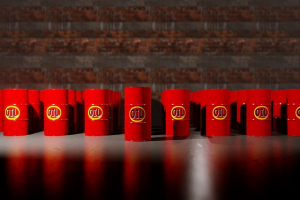
The U.S. administration has historically enforced a de facto oil blockade on Cuba, aimed at pressuring the government in Havana. However, Trump recently stated that he has no objection to oil shipments to Cuba, regardless of the source, including Russia. This statement comes just hours before the arrival of the Russian tanker Anatoly Kolodkin, which is carrying 730,000 barrels of crude oil. The shipment is expected to provide crucial relief to Cuba, which has faced severe energy shortages and has not received oil imports for three months, leading to strict gasoline rationing and widespread power outages.
Experts are surprised by the U.S. decision not to intercept the tanker, which could significantly alleviate Cuba’s energy crisis. Jorge Pinon, a Cuba energy sector expert, noted that once the vessel enters Cuban waters, it becomes nearly impossible for the U.S. to stop it. The Russian shipment could be converted into enough diesel to meet Cuba's demand for approximately 12.5 days.
Divisions Within the Liberal Party
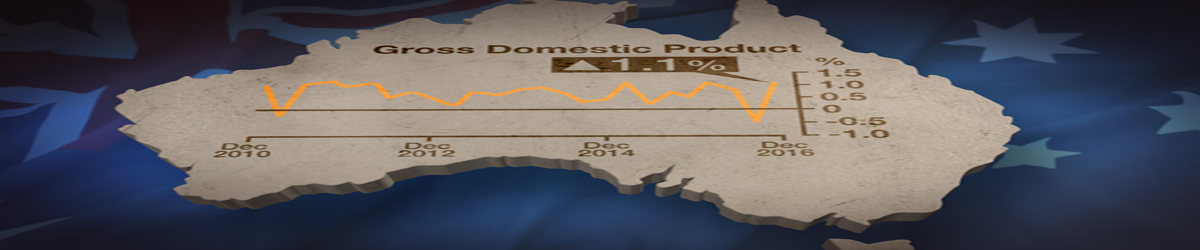
In Australia, the political landscape is shifting as Angus Taylor, the opposition leader, rebukes fellow party member Andrew Hastie's call for the Liberal Party to consider tax increases on gas companies and property investors. This internal conflict highlights a broader philosophical divide within the party, as Hastie advocates for a more interventionist approach to economic policy, while Taylor maintains a classic free-market stance.
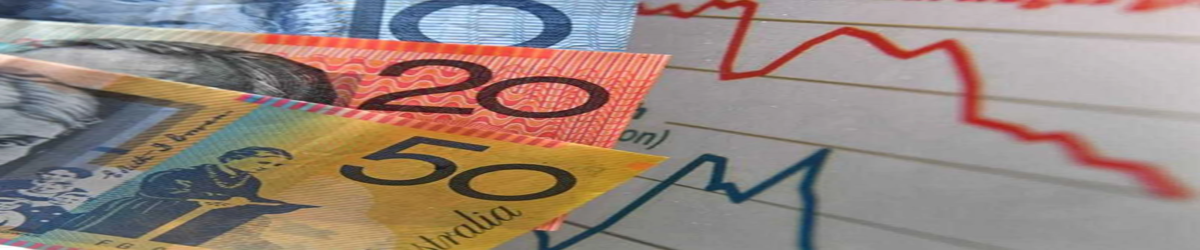
Hastie's comments reflect a growing concern among some Liberal members about disillusioned voters turning to alternative parties like One Nation. He argues that the party must rethink its economic strategies to remain relevant. Conversely, Taylor firmly opposes any tax increases, emphasizing that higher taxes would reduce production and investment.
The Albanese government is currently exploring a new windfall profits tax on gas companies, which could force the opposition to unify their stance on taxation in the coming months. Some Liberal MPs, including Anne Ruston, have suggested that all options should be considered to improve the economic situation for Australians.
Wrap-up
The developments surrounding Cuba's oil crisis and the internal rift within Australia's Liberal Party illustrate the complexities of international relations and domestic politics. As Trump’s administration navigates its stance on Cuba, the Australian opposition faces critical decisions about its economic policies, potentially impacting its future electoral success.
Sources
theguardian.com
@hoju-korean.com Editorial Team














댓글목록0