










Pressure on Government for Accountability
During a session at the National Press Club, Steggall highlighted the lack of action from the Australian government compared to the responses from the UK and Poland, which have initiated coronial inquiries into the deaths of their citizens at the hands of the Israel Defense Forces (IDF). Albanese has expressed his commitment to raising the issue directly with Frankcom’s family, stating, "This is a tragic loss. We’ll continue to work each and every day to do our best to ensure that there is transparency and appropriate action."
Ambassador Newman expressed sympathy for Frankcom's family but did not commit to an apology or the release of drone audio that could shed light on the incident. The ongoing investigation into Frankcom's death reflects broader concerns regarding the treatment of humanitarian personnel in conflict zones.
Economic Implications of Middle East Tensions
The Australian government is also grappling with economic challenges stemming from rising tensions in the Middle East. Nationals MP Alison Penfold raised concerns about the number of oil tankers leaving the region for Asia, as Australia relies heavily on these imports for fuel. Chris Bowen, the Minister for Climate Change and Energy, acknowledged that Asia predominantly sources its oil from the Middle East but assured that Australia is diversifying its imports.
Bowen confirmed that over 53 ships are currently en route to Australia from various regions, with a total of 3.7 billion liters of fuel contracted for delivery in April. The government is under pressure to ensure stable fuel supplies while navigating the complexities of international relations in the region.
Greens Push for Fair Taxation on Gas Exports
In addition to the political and economic discussions, the Australian Greens are advocating for a 25% tax on gas export revenue. Greens MP Elizabeth Watson-Brown questioned Treasurer Jim Chalmers about Shell's tax contributions and the fairness of the current taxation system for natural resource companies. Chalmers responded by emphasizing the need for transparency and ensuring that multinationals pay their fair share of taxes.
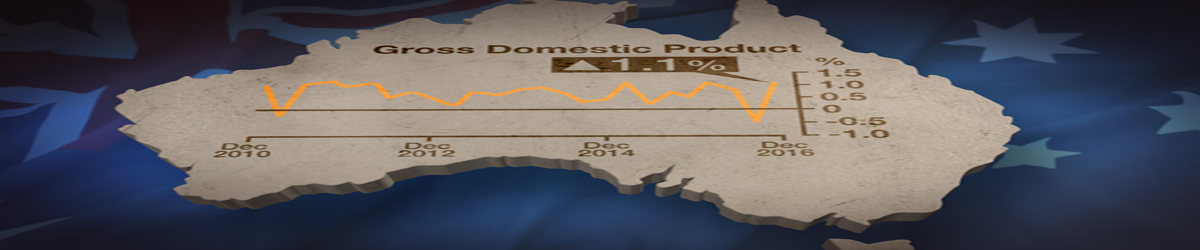
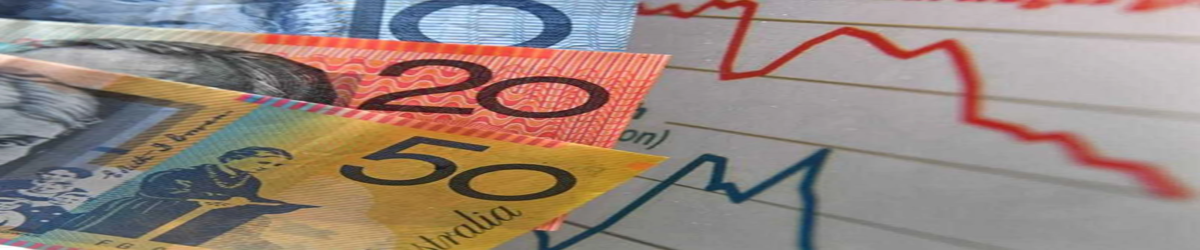
The call for a gas export tax reflects growing concerns among Australians about the equitable distribution of profits from natural resources, particularly as the country faces rising costs and economic uncertainty.
Wrap-up
As the anniversary of Zomi Frankcom's death approaches, the Australian government is facing increasing pressure to act decisively in both addressing the inquiry into her death and managing the economic ramifications of geopolitical tensions in the Middle East. The discussions on taxation and energy supply further complicate the political landscape, highlighting the interconnectedness of domestic and international issues.
Sources
theguardian.com
@hoju-korean.com Editorial Team














댓글목록0