










Fire Incident Overview
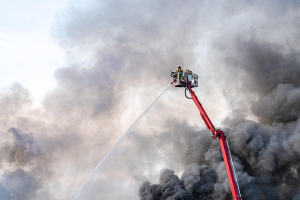
The fire erupted at the Anjun Industrial facility, which manufactures engine valves and is a supplier for major automotive brands such as Hyundai and Kia. Approximately 170 workers were inside the three-story building when the fire started. Eyewitness accounts indicate that the fire spread rapidly, leading some workers to jump from windows in a desperate attempt to escape. Firefighters faced significant challenges in extinguishing the flames, as the presence of sodium, a highly reactive chemical, delayed their efforts.
Rescue Operations and Casualties
Firefighters reported that all missing individuals were accounted for after an extensive search operation. The death toll includes nine victims who were found in a third-floor gym locker room, with many of the deceased requiring DNA testing for identification due to severe burns. Emergency personnel deployed over 500 responders, including unmanned firefighting robots, to tackle the blaze and assist in the rescue efforts. Injuries among survivors included smoke inhalation and injuries sustained during the escape.
Government Response and Investigations
In the wake of the tragedy, South Korean President Lee Jae Myung has called for immediate reforms to enhance worker safety. Official statistics indicate that over 10,000 workers have died in workplace accidents from 2000 to 2024. The government has initiated an investigation into the cause of the fire, with preliminary reports suggesting a possible explosion prior to the outbreak of flames. Anjun Industrial's CEO, Sohn Ju-hwan, pledged full cooperation with authorities and a thorough review of safety protocols.
Historical Context and Implications
This incident marks the deadliest factory fire in South Korea since a lithium battery plant fire in 2024, which resulted in 23 fatalities. That incident led to significant legal repercussions for the responsible parties, highlighting ongoing concerns about industrial safety standards in the country. The current tragedy has prompted renewed discussions on the need for stricter regulations and enforcement to protect workers in high-risk environments.
Wrap-up
The fire at the Daejeon car parts factory has not only claimed lives but also reignited debates about workplace safety in South Korea. As investigations continue, the government and industry leaders are under pressure to implement meaningful changes to prevent future tragedies.
Sources
theguardian.com
@hoju-korean.com Editorial Team


















댓글목록0