












![[Summary News] Global Turmoil: Military Changes in Venezuela, Economic Strain in Europe, and Rising Tensions in the Middle East](https://pixabay.com/get/g37b60a3add7e75a7b36aa8848230b23838263d572abceb62f47acb64243960511eaf2ddcd5203dd5e0ad8e4e01b70284cda5e24af2a908eae88ed1daa11c585a_640.jpg)
Military Changes in Venezuela
Delcy Rodríguez, Venezuela's interim president, announced a complete overhaul of the country's military leadership, including the dismissal of the long-serving defense minister closely allied with former President Nicolás Maduro. This move follows the U.S. ousting of Maduro during a special forces raid on January 3, and Rodríguez is now under pressure to align with U.S. interests while managing a faltering economy plagued by shortages. The Venezuelan military, which plays a critical role in controlling the nation’s resources, remains loyal to Rodríguez, who is attempting to navigate the complex political landscape between U.S. demands and local loyalty to Maduro.
Economic Strain in Europe
In response to the economic impact of the ongoing conflict in the Middle East, Spain is expected to announce emergency tax cuts aimed at alleviating rising energy prices. Prime Minister Pedro Sánchez has been vocal in criticizing the U.S. and Israel's military actions against Iran, emphasizing the need for measures to protect the Spanish economy from the fallout. The proposed cuts include reducing VAT on fuel and adjusting hydrocarbon duties, which could lower diesel and petrol prices significantly. European Commission President Ursula von der Leyen has indicated that other EU nations may follow suit, recognizing the need for coordinated economic responses to the crisis.
Rising Tensions in the Middle East
The situation in the Middle East has deteriorated sharply, with Iran vowing to retaliate with "zero restraint" if its energy infrastructure is targeted again following Israeli airstrikes. The Iranian foreign minister's comments come in the wake of significant damage to Qatar's gas facilities, which supply a substantial portion of the world's liquefied natural gas. The conflict has also drawn in regional players, with the UAE arresting members of a terrorist network linked to Iran and Hezbollah, highlighting the broader implications of the war.
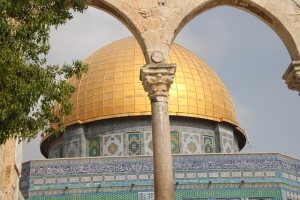
Israeli authorities have taken drastic measures in Jerusalem, closing the al-Aqsa mosque during Eid for the first time in decades, prompting outrage among Palestinians. The closure is seen as part of a broader strategy to tighten control over the site amid rising tensions linked to the U.S.-Israel conflict with Iran. Many worshippers were forced to pray outside the Old City due to security concerns, raising fears of potential clashes and further unrest.
International Reactions and Future Implications
Oman’s foreign minister has criticized the U.S. for losing control over its foreign policy and suggested that Israel's influence has led to a miscalculation regarding the war with Iran. He contended that the U.S. and Iran were close to a diplomatic agreement before military actions escalated. As oil prices soar, with projections suggesting they could exceed $180 per barrel if the conflict continues, the global economy faces significant challenges. France is seeking to establish a UN framework to secure vital shipping routes in the region, indicating the international community's growing concern over the conflict's implications.
Wrap-up
The global situation remains precarious, with Venezuela undergoing a military leadership change amid U.S. influence, European nations grappling with economic repercussions from Middle Eastern conflicts, and escalating tensions threatening stability in the region. The developments in these areas highlight the interconnectedness of international politics and economics, underscoring the urgent need for diplomatic solutions to prevent further escalation.
Sources:
theguardian.com
reuters.com
bbc.com
apnews.com
wsj.com
@hoju-korean.com Editorial Team


















댓글목록0