









![[Summary News] EU Leaders Confront Hungary Over Ukraine Loan, Middle East Tensions Escalate Amid Ongoing Conflicts](https://pixabay.com/get/gcaf8510dbc5af574c2652526109a0c641eb9bd3c49507b8a6c566fbd73d70532340fd6a159f5ab1d12867a3364d8214e30292324d19bfe522d400568a5624129_640.jpg)
Hungary's Stance on Ukraine Loan
Viktor Orbán, Hungary's Prime Minister, faces mounting pressure from EU leaders to unblock the €90 billion loan intended for Ukraine. The loan's approval is entangled in a dispute regarding the Druzhba pipeline, which supplies oil from Russia to Hungary via Ukraine. Orbán has stated that Hungary's access to this oil is non-negotiable, emphasizing the existential need for it. Other EU leaders, including Finland’s Prime Minister Petteri Orpo, criticized Orbán's use of the situation for political gain ahead of Hungary's parliamentary elections.
LGBTQ+ Rights Under Threat in Europe
Leo Varadkar, former Prime Minister of Ireland, expressed concerns over the current state of LGBTQ+ rights in Europe, which he believes are facing a "chill wind" from both the east and west. He highlighted the conservative agenda being propagated by Russia and the retreat of American support for LGBTQ+ rights under Donald Trump's administration. Varadkar urged Europe to remain vigilant and proactive in defending its values against these regressive forces, noting that the progress made in recent years could be reversed.
Escalating Tensions in the Middle East
In the Middle East, the situation has deteriorated sharply following Israel's strike on Iran's South Pars gas field. This attack came just hours after Israeli forces killed Iran's intelligence minister, prompting Iran to threaten retaliation against neighboring states' energy infrastructure. U.S. President Donald Trump has responded with a warning to Iran, threatening to "massively blow up" the gas field if further attacks on Qatar's LNG facilities occur. The ongoing conflict has raised oil prices significantly, with concerns over supply disruptions mounting.
Concerns Over Russian Tanker in Mediterranean
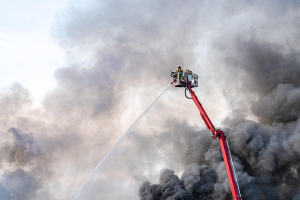
Meanwhile, a damaged Russian tanker carrying liquefied natural gas has drifted into Libyan waters, raising fears of an ecological disaster. The Arctic Metagaz was struck in a suspected drone attack and has been adrift for two weeks. The Italian civil protection agency has warned of the potential for hydrocarbons to leak into the sea, while the tanker is now under the jurisdiction of Libyan authorities. The situation highlights the ongoing risks associated with the shadow fleet of Russian vessels operating in the Mediterranean.
UK's Position on Strait of Hormuz
The United Kingdom continues to engage in discussions with the U.S. and European allies regarding the safety of maritime shipping in the Strait of Hormuz. Despite the ongoing threats from Iran, British officials have indicated that they are cautious about deploying warships to the region. The strait is crucial for global oil traffic, and the UK has emphasized the need for a multinational approach to ensure maritime security.
Wrap-up
As EU leaders confront internal challenges and geopolitical tensions escalate in the Middle East, the situation remains fluid. Hungary's blockade of the loan to Ukraine exemplifies the complexities within the EU, while the Middle East faces a precarious balance of power amid military actions and threats. The international community watches closely as these developments unfold, with potential implications for global security and economic stability.
Sources: theguardian.com
@hoju-korean.com Editorial Team













댓글목록0