










![[Summary News] Tensions Rise as Europe Faces Political Shifts and Middle East Conflict Escalates](https://pixabay.com/get/gd0a79873e8e017a652d05c20fd2424c7005bfd9c9fa7c3df8de2c36d867a53c418a1ad81fce2e0e21ccaf6a6a86a24318b0ddde238b1c1aa8cc1b13c16d7a407_640.jpg)
Hungary's Political Landscape Shaped by Film
In Budapest, the psychological thriller "Feels Like Home" has captivated audiences just weeks before Hungary's parliamentary elections scheduled for April 12. The film, which depicts a saleswoman's abduction into a family under an authoritarian father figure, has sparked discussions about the political climate under Prime Minister Viktor Orbán. Critics argue that Orbán's government has eroded democracy and independent institutions over the past 16 years. The film's director, Gábor Holtai, noted that while the film was not intended as a political metaphor, viewers have drawn parallels between its themes and Hungary’s current political reality. The election features a notable challenger, Péter Magyar, leader of the newly formed Tisza party, who is gaining traction among voters disillusioned with Orbán's rule.
EU and UK Negotiations at a Standstill
The European Union is urgently seeking to revitalize discussions with the UK regarding a reset of their relationship, as the deadline for a planned summit approaches in July. European Commission Vice-President Maroš Šefčovič emphasized the need for both parties to "change gears" to address deadlocks, particularly over tuition fees for EU citizens in a proposed youth mobility scheme. The UK government, led by Prime Minister Keir Starmer, aims to announce new agreements at the summit, but significant disagreements remain, particularly regarding the treatment of EU students. The outcome of these negotiations is critical for both sides as they navigate complex legislative landscapes.
Middle East Conflict Escalates
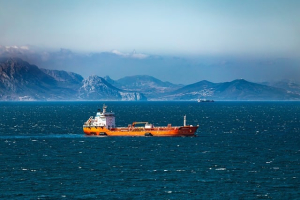
As the conflict between the US-Israeli coalition and Iran intensifies, UK Prime Minister Keir Starmer has distanced the UK from direct involvement in the wider war. While Trump has called for UK military support in the Strait of Hormuz, Starmer reaffirmed that the UK would not be drawn into the conflict. The situation has led to increased tensions in the Gulf, with Iranian threats to close the Strait of Hormuz, a vital shipping route for global oil supplies. Reports indicate that at least 200 US troops have been injured in the ongoing conflict, raising concerns about the humanitarian impact and potential for further escalation.
Gulf States' Response to Conflict
The Gulf states, traditionally viewed as havens of stability, are grappling with the fallout from the escalating conflict. Iran’s foreign minister has accused some Gulf states of covertly supporting US military actions against Iran, suggesting a complicated geopolitical landscape. The region has seen an increase in drone and missile attacks, with Iranian forces targeting various locations in Gulf countries. As air traffic in the UAE resumes normal operations following recent attacks, the broader implications for tourism and economic stability remain uncertain.
European Banking Sector in Turmoil
In the banking sector, a €35 billion takeover battle has erupted as Italy’s UniCredit pursues a larger stake in German lender Commerzbank. Despite opposition from the German government, UniCredit aims to increase its holding to over 30%, which would trigger a formal takeover bid. The German government, having previously bailed out Commerzbank during the financial crisis, remains committed to the bank's independence. This takeover attempt highlights the ongoing challenges within the European banking landscape, where consolidation efforts face both regulatory and public scrutiny.
Wrap-up
The convergence of political tensions in Hungary, critical EU negotiations with the UK, and the escalating conflict in the Middle East underscores a period of uncertainty and potential upheaval across Europe and the Gulf region. As nations navigate these complex challenges, the outcomes will significantly impact not only regional stability but also global economic dynamics.
Sources
theguardian.com
@hoju-korean.com Editorial Team











댓글목록0