













Supply Chain Disruptions
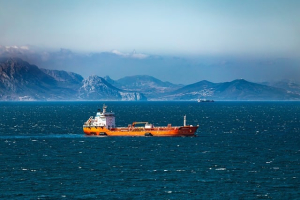
The Strait of Hormuz is a crucial shipping lane for not only oil and gas but also fertiliser, which is essential for agricultural productivity. According to a report by the United Nations Conference on Trade and Development (UNCTAD), 54% of Sudan's fertiliser imports arrive through this route, with Somalia and Kenya relying on it for 30% and 26% of their fertiliser, respectively. The conflict has already led to soaring fertiliser prices, which UNCTAD indicates may further increase food costs and intensify the cost of living crisis for vulnerable populations.
Economic Vulnerability
African economies are particularly susceptible to shocks due to their reliance on foreign markets, volatile commodity exports, high debt levels, and inadequate infrastructure. Jervin Naidoo, a political analyst at Oxford Economics Africa, noted that any disruptions in supply chains significantly affect the continent. The uncertainty surrounding oil prices is particularly acute, as many Africans work in the informal sector with fluctuating incomes.
Rising Oil Prices and Government Responses
The conflict has also led to rising oil prices, which pose serious economic challenges for African governments. Rama Yade, senior director of the Atlantic Council’s Africa Center, emphasized that governments may need to either increase subsidies or pass costs onto consumers, potentially leading to social and political unrest. In response, Kenya's energy minister, Opiyo Wandayi, announced that the country has scheduled petroleum imports until the end of April to ensure a steady supply. Meanwhile, Tanzania's President Samia Suluhu Hassan has directed her energy ministry to bolster strategic fuel reserves.
Mitigation Strategies
Ethiopia has implemented a special fuel subsidy aimed at cushioning its citizens from the economic fallout of rising oil prices. These measures reflect a broader trend among African nations to prepare for potential economic shocks stemming from the conflict in the Middle East. Analysts suggest that the situation requires urgent attention as the continent grapples with the dual challenges of rising prices and economic instability.
Wrap-up
As the conflict in the Middle East continues, African nations are bracing for further disruptions that threaten their food security and economic stability. The reliance on imported fertiliser and petroleum makes these countries particularly vulnerable to external shocks, necessitating immediate and strategic responses to mitigate the impacts on their populations.
Sources
theguardian.com
@hoju-korean.com Editorial Team
























댓글목록0