












![[Summary News] Tensions Rise Over Strait of Hormuz as Global Powers Respond to Middle East Crisis](https://pixabay.com/get/g21a5c6a036f26dafd4c30c4c39d2cb194fc9b348b46bd880992ac55b1c4a93d98971e2d9c2584a1589320f12afaa50c45c1bd7c55c1d32121f75dc7f29c4f0bb_640.jpg)
U.S. Pressure on Allies to Secure Hormuz
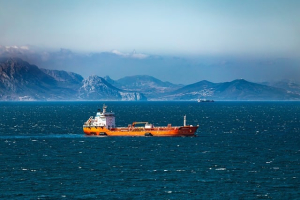
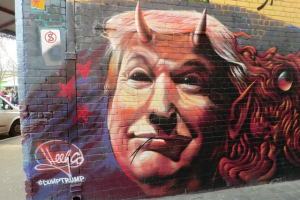
President Trump has escalated calls for NATO allies to assist in reopening the Strait of Hormuz, claiming that failure to respond could lead to a "very bad" future for the alliance. The strait has experienced significant disruptions due to Iranian actions retaliating against U.S. and Israeli airstrikes, causing oil prices to soar. Despite Trump's demands, countries like Japan and Australia have indicated they will not send naval vessels to the region. Japan has begun releasing its strategic oil reserves in response to supply concerns, while Trump has expressed disappointment over the muted responses from allies.
Iran's Foreign Minister has condemned Israeli airstrikes on fuel depots in Tehran as "ecocide," asserting that such actions violate international law. Iranian officials have claimed that the conflict's outcome will be in their favor, suggesting a shift in the war's dynamics.
Political Shifts in France
In France, the first round of municipal elections has revealed a strong performance by Marine Le Pen's National Rally and Jean-Luc Mélenchon's La France Insoumise (LFI). These results indicate a potential shift in the political landscape ahead of the presidential elections in 2027. Both parties have capitalized on growing public discontent, particularly in urban areas, as traditional parties struggle to maintain their influence. The elections serve as a crucial barometer for the political temperature in the country.
UK's Complex Relationship with the EU
As the UK government attempts to reset its relationship with the European Union, tensions have emerged over university tuition fees for EU students. The EU demands lower fees for all EU students, while the UK government argues that such changes could cost universities significantly. This disagreement threatens the broader reset negotiations, which are intended to enhance cooperation with Brussels nearly a decade after Brexit.
Violence in the West Bank
In the occupied West Bank, Israeli forces have killed two young Palestinian boys and their parents during a shooting incident. This tragic event highlights the ongoing violence against Palestinian civilians, with over 1,400 Palestinians killed since the onset of the current conflict. The incident has drawn widespread condemnation, emphasizing the urgent need for accountability and a resolution to the violence.
Wrap-up
The Middle East crisis continues to evolve, with significant geopolitical implications as nations navigate the challenges posed by the closure of the Strait of Hormuz. The U.S. is under pressure to respond effectively to the situation, while political dynamics in France and the UK reflect broader societal tensions. As violence escalates in the West Bank, the international community faces increasing calls for intervention and accountability.
Sources: theguardian.com
@hoju-korean.com Editorial Team





















댓글목록0