













Economic Warnings from the IMF
Treasurer Jim Chalmers stated that the IMF has indicated the ongoing conflict in the Middle East could lead to an unprecedented energy crisis, potentially dragging the global economy into recession. Chalmers emphasized that Australians are already paying a steep price for international conflicts, noting that the economic conditions could worsen if the war continues. The IMF's projections suggest that Australia's economic growth could be reduced by half a point due to these global pressures. Chalmers will discuss these concerns with G20 finance ministers in Washington.
Impact of Local Events
On Tuesday evening, a 4.5-magnitude earthquake struck approximately 30 kilometers south-west of Orange in central west New South Wales. The quake, occurring at a depth of 5 kilometers, was felt across a wide area, causing alarm among residents. Geoscience Australia has indicated that aftershocks are likely, although they are expected to be lighter. This seismic event adds to the challenges faced by communities already dealing with economic pressures.
Household Adjustments Amid Cost of Living Crisis
As the global economy continues to falter, Australian households are reportedly cutting back on essential items, particularly food, to manage their budgets. The rising cost of living has prompted many families to reassess their spending habits. Reports indicate that consumers are increasingly opting for cheaper alternatives and reducing discretionary spending, a trend that reflects broader economic anxieties.
Controversial Immigration Policies
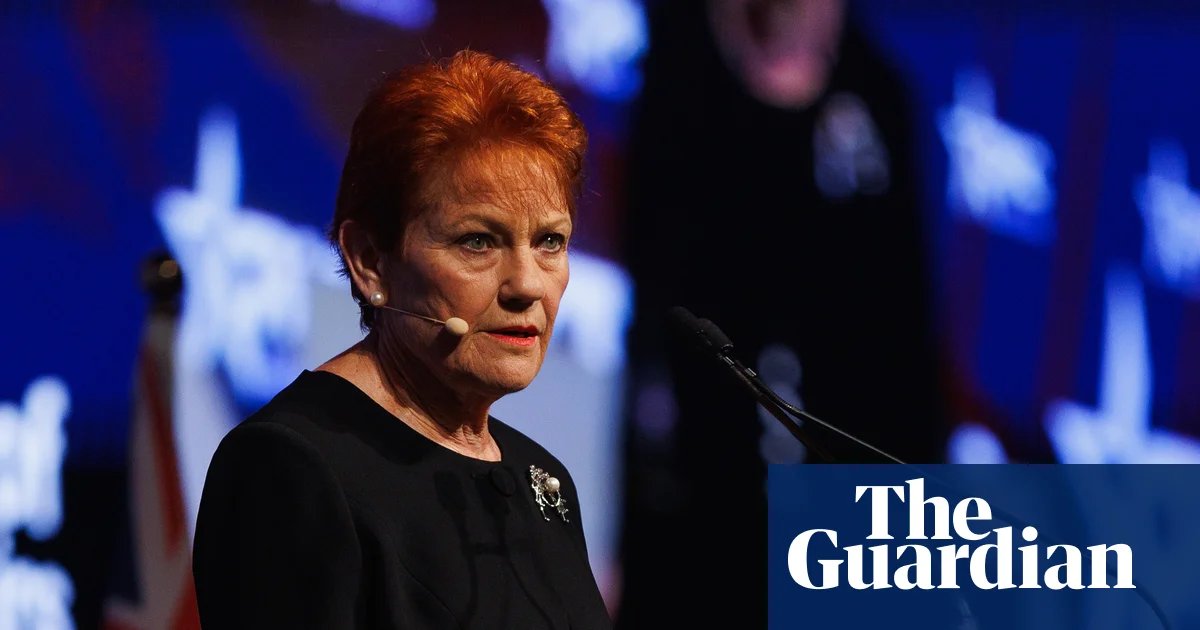
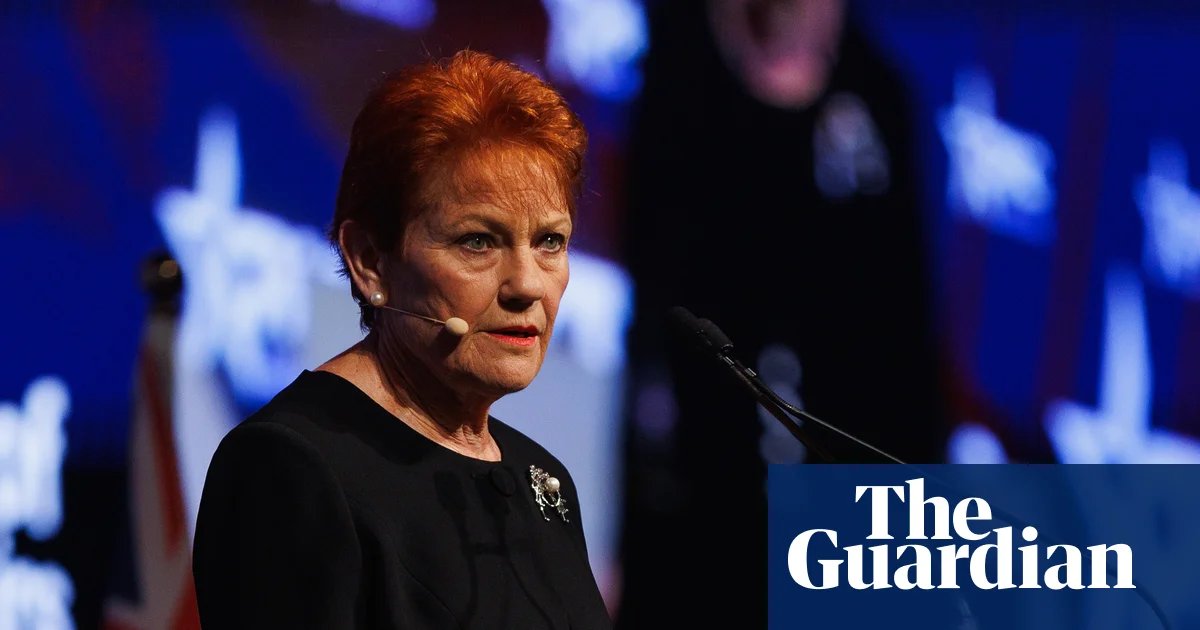
In a related development, the Coalition government, led by Angus Taylor, has announced a new immigration policy that critics argue mirrors hardline approaches seen in the United States. This policy emphasizes "Australian values" in determining migrant intake and has sparked debate about its implications for community diversity and inclusion. Experts have described the plan as lacking substance and overly symbolic, raising concerns about its potential impact on vulnerable populations.
Push for Electric Vehicles
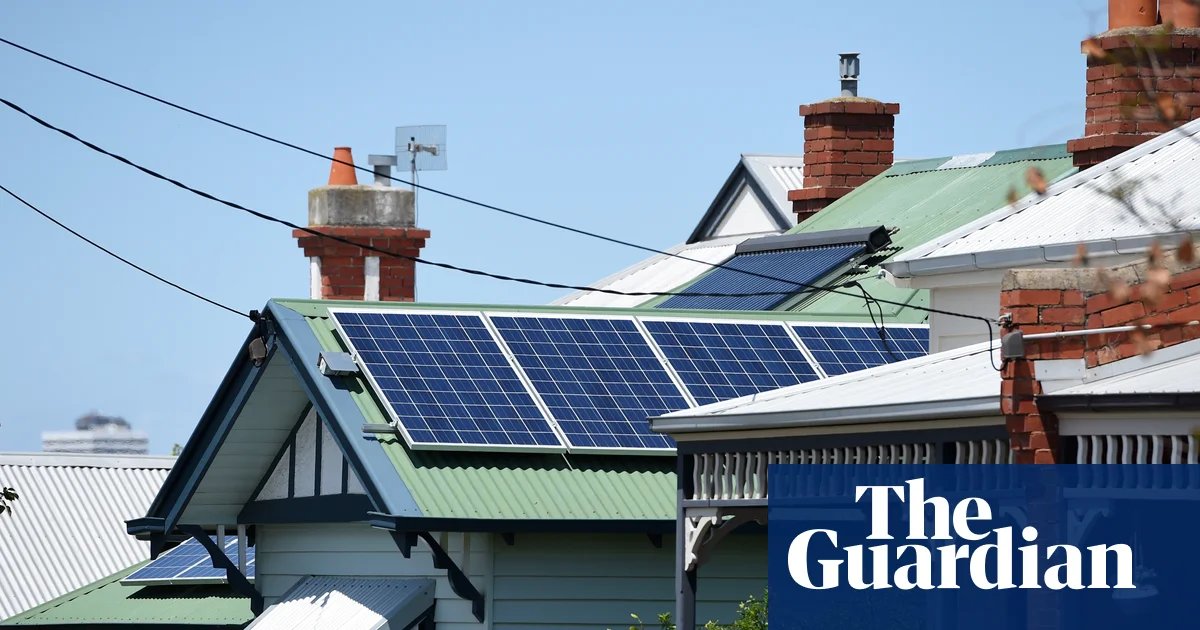
Amidst these economic challenges, there is a growing call for Australia to accelerate its transition to electric vehicles (EVs). Experts argue that the country is lagging behind in adopting clean car technologies, which could provide significant savings for consumers. The push for EVs is seen as essential not only for environmental reasons but also for economic resilience in the face of fluctuating fuel prices.
Wrap-up
Australia is navigating a complex landscape of economic uncertainty, local disturbances, and evolving political policies. The combination of global tensions and domestic challenges is prompting significant changes in consumer behavior and government strategies. As the nation grapples with these issues, the call for a more sustainable future through electric vehicles and responsible immigration policies continues to grow.
Sources
theguardian.com
@hoju-korean.com Editorial Team























댓글목록0