













Immigration Policy Controversy
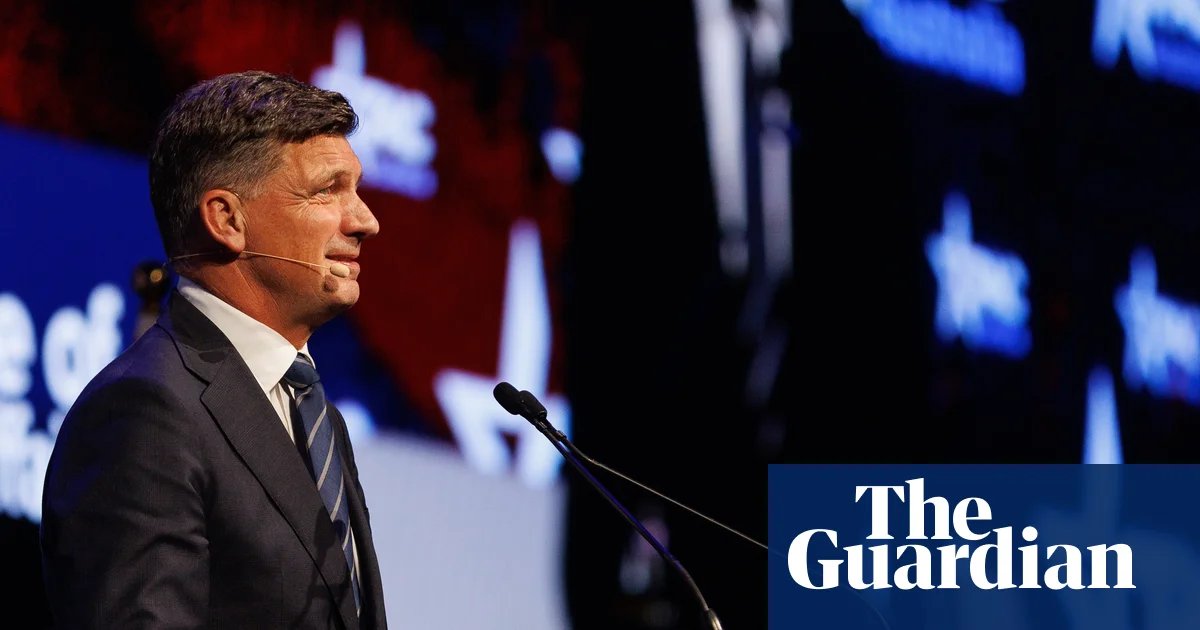
Angus Taylor unveiled a new immigration plan that emphasizes strict enforcement and “Australian values,” marking his first major policy initiative since taking leadership in February. This approach has sparked criticism from various quarters, including former Liberal minister Amanda Vanstone, who cautioned against treating immigration as a law enforcement issue. Critics argue that the policy risks alienating migrants fleeing authoritarian regimes. The backlash includes voices from within Taylor's party, highlighting a divide over the direction of immigration policy in Australia.
Consumer Behavior Shifts
As fuel prices soar amidst geopolitical tensions, Australians are altering their dining habits. Many are opting for budget-friendly meals, such as chicken schnitzel, over pricier options like rib-eye steak. This shift reflects a broader trend of “cautious consumption” as households brace for potential financial strain reminiscent of the pandemic years. Experts suggest that the ongoing uncertainty surrounding fuel costs and international conflicts is significantly impacting consumer confidence.
Aged Care Assessment Tool Under Scrutiny
In a separate but related issue, the Commonwealth Ombudsman has launched an investigation into the government’s algorithm-based Integrated Assessment Tool (IAT) used in aged care. The tool has faced criticism for being “cruel” and “inhumane” in its assessment of home support funding for the elderly. This inquiry follows numerous complaints from assessors and advocacy groups, raising questions about the adequacy of the current aged care reforms implemented by the Albanese government.
Political Reactions to International Tensions
Prime Minister Anthony Albanese's response to the ongoing conflict involving the United States, Israel, and Iran has drawn scrutiny. Critics have expressed frustration over his reluctance to publicly challenge the rhetoric of former President Donald Trump, particularly in light of Trump's aggressive statements regarding Iran. Albanese’s cautious stance has led to discussions about the implications of Australia’s foreign policy and its alignment with U.S. actions.
Wrap-up
Australia is at a crossroads, facing internal challenges related to immigration policy, consumer behavior amid economic pressures, and the need for reform in aged care. The political landscape is further complicated by international relations, prompting calls for a more assertive stance from the government. As these issues unfold, the implications for both domestic policy and international standing remain significant.
Sources
theguardian.com
@hoju-korean.com Editorial Team
























댓글목록0