













![[Summary News] Australian Leaders Face Domestic and International Challenges Amidst Recent Incidents](https://pixabay.com/get/gfd2f96b75b1cfeea2899a3eb4fae765b2b679d89d42581d24fb6f96b9968e3cda61d7c4cb4caafb872bcf7a284127276863aeb67715a55fe446892ba7780587f_640.jpg)
Oil Refinery Fire in Geelong
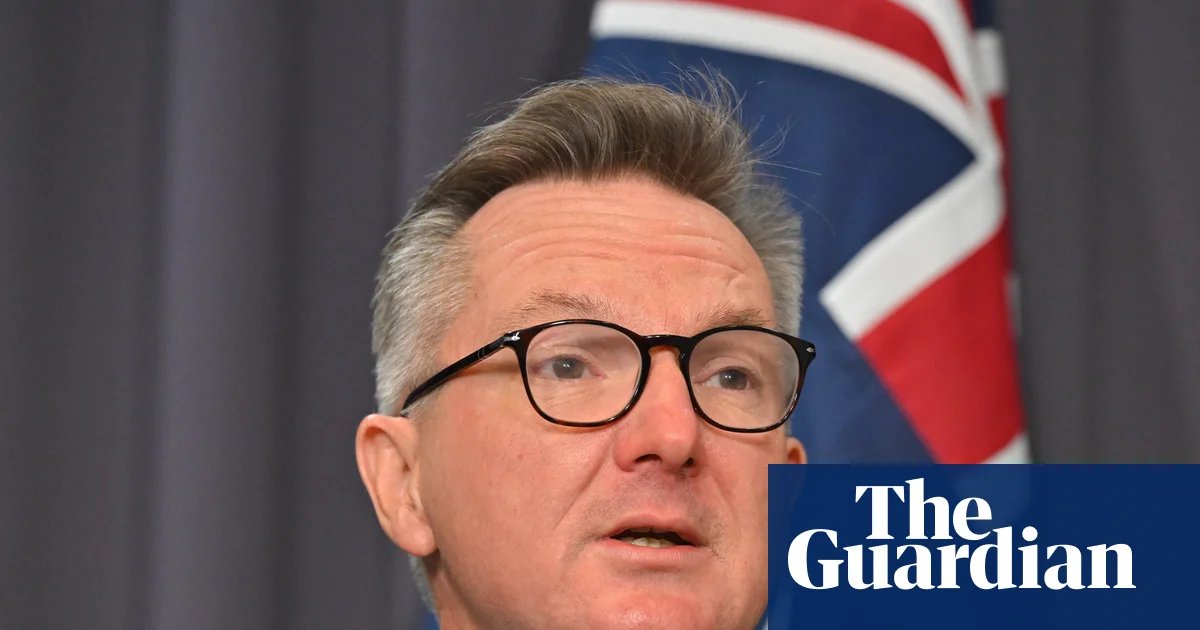
A major fire broke out at the Viva Energy oil refinery in Geelong, prompting emergency responses from fire services. Prime Minister Anthony Albanese was in Southeast Asia for fuel diplomacy but returned to Victoria to assess the situation. The blaze, which began early in the morning, involved around 50 firefighting vehicles and was primarily fueled by hydrocarbons. The fire has raised concerns about Australia's energy security, as the country relies heavily on imports following the incident. Energy Minister Chris Bowen labeled the event a setback, indicating potential spikes in fuel prices by up to 20 cents per litre. Fortunately, fire officials reported no contaminants spreading from the site, and efforts to control the blaze are ongoing.
War Crimes Arrest of Ben Roberts-Smith
In a significant development, Ben Roberts-Smith, Australia's most decorated living soldier, was arrested at Sydney airport. Australian Federal Police Commissioner Krissy Barrett announced that Roberts-Smith faces charges related to five counts of war crimes, specifically murder, linked to incidents in Afghanistan from 2009 to 2012. The maximum penalty for these charges is life imprisonment. This arrest marks a pivotal moment in Australia's military history, as it raises questions about accountability and the conduct of Australian forces abroad.
Political Tensions Over Defence Spending
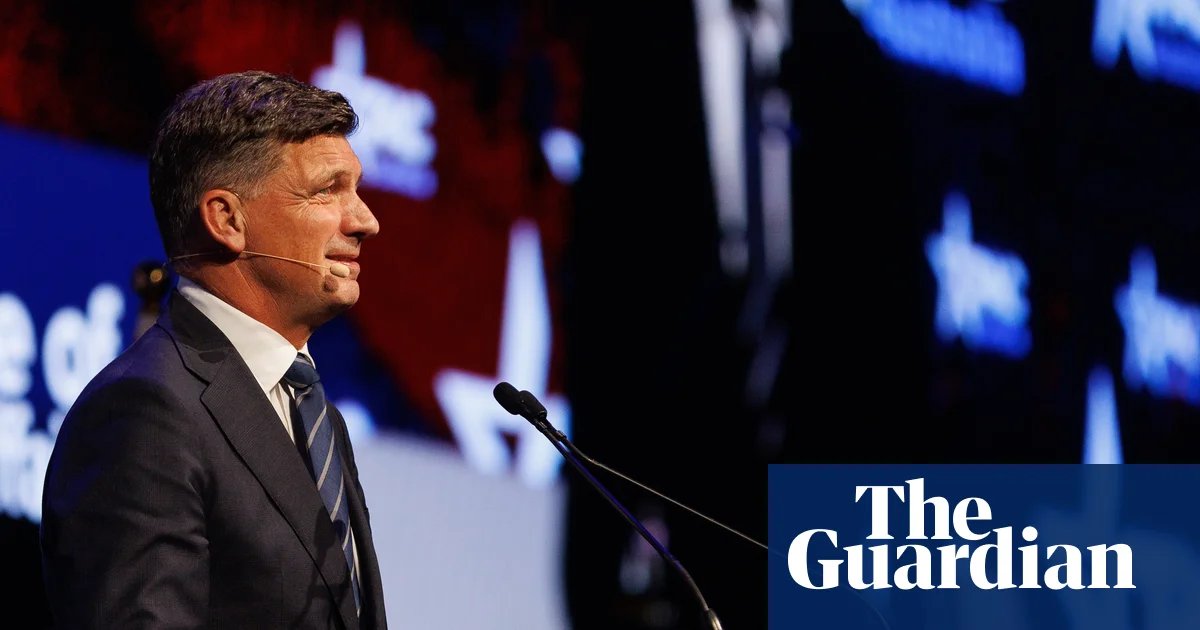
Defence Minister Richard Marles is facing pressure regarding Australia's defence spending commitments. Following criticism from U.S. President Donald Trump, who accused Australia of not contributing adequately to the Iran conflict, Marles defended the government's spending increases, stating they were not influenced by external pressures. The context of these comments comes after a meeting with U.S. officials, highlighting the ongoing scrutiny of Australia's military readiness and international obligations.
Anti-Protest Law Overturned
In a landmark ruling, the New South Wales Supreme Court struck down the Public Assembly Restriction Declaration (PARD) law, which had imposed severe restrictions on protests following the Bondi terror attack. The Palestine Action Group, which challenged the law, celebrated the decision as a significant victory for civil liberties. The court's ruling reaffirms the right to protest without the fear of arrest, a crucial aspect of democratic expression in Australia.
Community Engagement Through Literacy Programs
In a positive community initiative, a program called Story Dogs is helping children improve their reading skills through interaction with therapy dogs. One of the dogs, Tashi, is part of a network that assists primary school students in gaining confidence to read aloud. The program pairs children with trained dogs and their owners to create a supportive learning environment, fostering both literacy and emotional well-being.
Wrap-up
Australia is currently grappling with a range of domestic challenges, from energy security concerns following the Geelong refinery fire to significant political and legal developments surrounding war crimes and civil liberties. As the government navigates these issues, the importance of community initiatives and international relations remains paramount.
Sources
theguardian.com
@hoju-korean.com Editorial Team






















댓글목록0