












Fatal Crash Involving Anthony Joshua's Driver
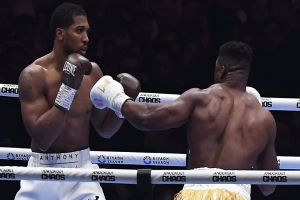
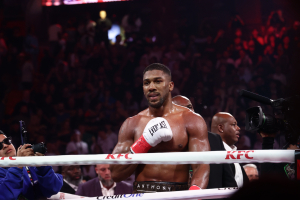
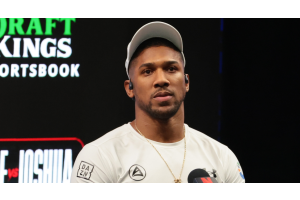
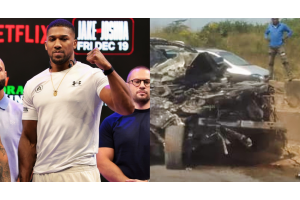
On December 29, Nigerian police charged Adeniyi Mobolaji Kayode, 46, with causing death by dangerous driving after a high-speed crash on a busy highway linking Lagos and Ibadan. Kayode was driving Joshua, his personal trainer, and strength coach when the vehicle collided with a stationary lorry after a tire burst. Both the trainer and coach died at the scene, while Joshua and Kayode sustained minor injuries. Kayode, who remains in custody pending bail conditions, is scheduled to appear in court on January 20. The incident occurred shortly after Joshua celebrated a victory in the boxing ring, as he prepares for his next match.
Discovery of Ancient Cremation Pyre in Malawi
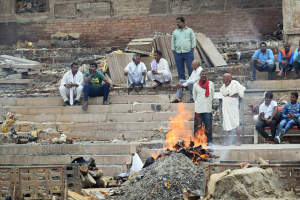
Archaeologists in Malawi have unearthed a cremation pyre believed to be around 9,500 years old, thought to be the oldest in the world containing adult remains. The discovery, made at the foot of Mount Hora, includes 170 bone fragments from an adult woman, indicating complex funerary practices among ancient hunter-gatherer communities. Researchers suggest that the missing skull and cut marks on the bones may indicate ritualistic treatment rather than violence. This find provides insights into the cultural practices of early African societies, emphasizing the importance of burial rituals and the significance of the site as a historical monument.
US Humanitarian Aid Under Scrutiny
The United States has pledged $2 billion in humanitarian aid, a move that has been met with skepticism by aid experts. The US State Department has imposed strict conditions on the funds, demanding that they be managed through a centralized UN fund and directed towards 17 priority countries, excluding nations like Afghanistan and Yemen that are facing severe crises. Experts argue that such requirements may undermine the UN's autonomy and prioritize US political interests over humanitarian needs. Critics have labeled the conditions as a potential "nail in the coffin" for a flexible and responsive global aid system.
Trump's Stance on ExxonMobil's Investment in Venezuela
Former President Donald Trump has threatened to block ExxonMobil's investment in Venezuela after the company's CEO described the country as "uninvestable." During a meeting with oil executives, Darren Woods expressed concerns about the need for legal protections and reforms in Venezuela's energy sector. Trump, dissatisfied with ExxonMobil's cautious approach, indicated that his administration would determine which firms could operate in Venezuela, asserting control over future investments. This stance reflects the ongoing complexities surrounding international relations and economic interests in the region.
Wrap-up
The recent events in Nigeria highlight the dangers of high-speed driving and the tragic consequences that can arise. In Malawi, the discovery of an ancient cremation pyre enriches our understanding of early human practices, while the US's approach to humanitarian aid raises critical questions about the balance of power in international assistance. Meanwhile, the tension between US interests and foreign investments continues to shape the narrative in Venezuela.
Sources
theguardian.com
@hoju-korean.com Editorial Team




















댓글목록0